


Map the data workflow
Create a practical map from ESG question to source record, approved AI step, human check, reporting field and accountable owner, including the evidence link and review status for each handoff.
Digital ESG, AI & Emerging Topics
A practical course for Malaysian manufacturing SMEs that shows teams how approved AI tools can help organise ESG evidence, identify data gaps, analyse patterns and draft reporting inputs. Participants practise source tracing, privacy controls, human review and clear reporting boundaries so automation supports better decisions without replacing accountable owners or assurance.

Category covers and course photos are illustrative licensed photographs, not AIGreen Plus staff, facilities or client results. Required creator and licence credits appear with each course photograph.
The matrix separates useful assistance from the human controls needed before a factory metric or narrative is relied upon.
| Decision / evidence | CaptureFind and structure source evidence | AnalyseCompare checked information | ReportDraft a reviewable input |
|---|---|---|---|
| Evidence trace | Record file, field, period and source link | Show formula, denominator and assumptions | Retain metric, scope and limitation note |
| Human role | Confirm extracted value and unit | Challenge outliers and interpretation | Approve wording and intended audience |
| Privacy boundary | Minimise and sanitise inputs | Restrict access to approved workspaces | Remove sensitive detail before circulation |
| Useful output | Checked evidence register | Annotated comparison or exception list | Draft reporting card for review |
AI assistance can organise or suggest content, but it does not prove accuracy, satisfy a reporting requirement, provide assurance or authorise external publication. Course content is educational; verify current requirements against the linked official sources and the organisation's circumstances.
This course teaches Malaysian manufacturing SME teams how to use approved AI-assisted tools for ESG data collection, cleaning, analysis and reporting preparation. Participants build a traceable evidence workflow, test outputs against source records, protect confidential information, document assumptions and draft a reviewable reporting input. It suits owners, operations, sustainability, quality, finance, IT and reporting roles; it does not make AI output a certification, assurance conclusion or legal submission.
Create a practical map from ESG question to source record, approved AI step, human check, reporting field and accountable owner, including the evidence link and review status for each handoff.
Compare extracted or summarised outputs with source records, record exceptions and explain whether a result is measured, estimated or missing, with the relevant definition, period and reviewer attached.
Apply a simple data-handling decision path that limits sensitive inputs, records tool permissions and routes uncertain outputs for human review, correction, escalation or removal before reuse.
Turn checked metrics and documented assumptions into a concise reporting input with scope, period, source, limitation and approval notes, ready for an accountable internal review.
A fictional metal-parts factory uses an approved extraction workflow on sanitised utility records. Learners compare the proposed month, meter, unit and value with the source document, flag a missing period, record the reviewer and decide whether the item can enter an ESG evidence register. No automated conclusion is accepted without checking.
A fictional electronics plant provides a cleaned table of production volume, scrap and waste notes. Participants ask an approved analysis tool to surface patterns, then test the denominator, date range and outliers manually. They label observations as checked findings, questions or estimates and identify the process owner for follow-up.
A fictional packaging SME prepares a reporting card from checked energy, training and incident records. The group uses an approved drafting assistant only for structure and plain language, retains source links and limitations, removes sensitive details, and routes the draft to a named owner before any external use.
This is a fictional learning example, not client results. Participants compare how many reviewed source records are usable before and after a supervised evidence-cleaning exercise.
Stated basis: Quarterly ESG source records reviewed against required fields · 72 ÷ 100 and 88 ÷ 100.
Absolute difference: 16 percentage points. This is a comparison of the stated exercise values, not proof of improvement.
The simple comparison illustrates how a defined evidence check can show a change in record readiness. It does not isolate the cause, validate the underlying metric or establish that an AI tool produced the change.
This exercise is not evidence of carbon reductions, cost savings, compliance, certification, assurance, financing eligibility or reporting acceptance.
Final depth, exercises and delivery details are confirmed with AIGreen Plus before delivery.
On a small screen, scroll horizontally inside the course-outline table.
| Module | Focus | Key points | Practice |
|---|---|---|---|
| 01AI in the ESG Data Chain | Understand where AI assistance can support collection, analysis and reporting while accountability remains with named people and documented decisions. |
| Sketch a fictional factory ESG workflow and mark suitable AI assistance, human checkpoints, restricted information and final approval points. |
| 02Source Records and Data Readiness | Prepare consistent source records so an AI-assisted workflow can identify periods, units, owners, gaps and evidence quality without guessing. |
| Clean a sanitised mock energy, waste and workforce register, then flag duplicate fields, missing periods and unclear data ownership. |
| 03Prompting and Extraction Controls | Practise structured instructions for extracting ESG facts from approved records while preserving source references, uncertainty and reviewable context. |
| Write a controlled extraction instruction for fictional utility invoices and compare two outputs against the original records and field definitions. |
| 04Validation and Exception Handling | Use deterministic checks and human review to find inconsistent units, missing evidence, implausible values, duplicated records and unsupported AI statements. |
| Review a fictional AI-generated ESG table containing unit and period errors, then create an exception log with corrected evidence references. |
| 05Analysis for Factory Decisions | Turn checked ESG data into transparent comparisons and patterns without confusing correlation, estimates, operational improvements or reporting conclusions. |
| Analyse a fictional production and waste dataset, choose a defensible comparison basis and annotate which observations need further investigation. |
| 06Privacy and Tool Governance | Design a proportionate control layer for approved AI use, covering sensitive data, access, retention, vendor settings, audit trails and human accountability. |
| Classify fictional factory files and route each through an approved-tool decision tree with minimisation, access and human-review requirements. |
| 07From Metrics to Reporting Drafts | Translate checked metrics into clear reporting inputs that retain scope, source, period, assumptions, limitations and responsible approval routes. |
| Convert a fictional checked KPI set into a draft reporting card with scope, period, evidence link, limitation and approval status. |
| 08Operating the Review Loop | Build a repeatable review rhythm that monitors AI-assisted data quality, updates controls, retains evidence and improves the workflow without autonomous publication. |
| Design a quarterly review board for a fictional factory workflow, including sample checks, exception trends, control updates and approval gates. |
This proposed course uses factory evidence, controlled tool practice and review gates; it describes course design, not proven superiority, certification or guaranteed results.
| Focus | Proposed approach | Factory relevance |
|---|---|---|
| Evidence before automation | Learners define the question, source, period, unit and owner before selecting an AI-assisted collection or analysis step. | A smaller factory can see whether a tool is solving a defined data problem rather than producing attractive but unsupported text. |
| Human-checkable outputs | Exercises require source comparison, exception logging and approval status for every extracted, analysed or drafted item. | Teams retain a practical route to challenge errors and explain how a reporting input was prepared. |
| Privacy-aware practice | Sanitised examples and an approved-tool decision path demonstrate minimisation, access control and careful handling of confidential information. | Manufacturers can practise useful workflows without treating public or unapproved tools as safe repositories for factory data. |
| Reporting-ready context | Drafting exercises keep scope, period, assumptions, limitations, source links and accountable approval beside each metric. | The resulting work product is easier to review and less likely to blur evidence, estimates, plans and claims. |
It covers supervised use of approved AI-assisted tools for organising ESG records, extracting fields, checking data quality, analysing defined comparisons and drafting reporting inputs. The course keeps source tracing, privacy, human review, assumptions and approval visible rather than treating generated content as verified evidence.
It is designed for Malaysian manufacturing SME owners and staff in sustainability, EHS, operations, quality, finance, administration, reporting, IT or data roles. Participants should be able to access approved sample records and involve the people who own, review or approve the information.
The proposed exercises may use approved spreadsheet, document extraction, dashboard, retrieval or generative-assistance features, depending on the agreed delivery scope. This draft does not promise a particular vendor, licence or software version; confirm tools, access, materials and preparation requirements before delivery.
AI can assist with finding, extracting, classifying or summarising information, but the course does not treat those actions as self-validating. A human checks source, scope, period, unit, assumptions and exceptions before information becomes a usable reporting input.
They compare samples with original records, test definitions and denominators, inspect outliers, label estimates and log corrections. Each exercise assigns a reviewer and retains the evidence or explanation needed to understand what was checked, changed or left unresolved.
Use only organisation-approved environments and learning materials. Participants practise minimisation and sanitisation, avoid placing personal or commercially sensitive information into unapproved tools, and record access or retention decisions according to their organisation's policies and qualified advice.
It teaches how to map checked metrics and narratives to a selected reporting question, using frameworks such as GRI as an educational reference where relevant. It does not decide legal applicability, replace current official guidance or prepare an assured submission automatically.
No. An AI-assisted draft is a working aid. It is not an assurance conclusion, certification, audit, legal filing or reporting acceptance. The responsible owner must review evidence, limitations and wording, then follow the organisation's approval and any applicable external requirements.
Bring approved, anonymised or sanitised examples such as utility, waste, production, training, safety or supplier records, with their periods, units and owners where possible. Do not bring unnecessary personal, confidential or proprietary information; fictional records can be used instead.
Dates, duration, delivery format, fees, tools and final participant materials are not fixed in this draft. Enquire with the course title, participant roles, preferred format and learning priorities so the available scope and quotation can be confirmed before planning delivery.
AI Tools for ESG Data Collection, Analysis and Reporting — proposed practice flow; people remain responsible for evidence, decisions and any operational change.
 Photo: Dmitry Makeev (Knopik-som) · Creative Commons Attribution-ShareAlike 4.0 International (CC BY-SA 4.0) · Image resized and converted to WebP; this adaptation is shared under CC BY-SA 4.0.
Define the ESG question, reporting use, period, boundary and acceptable evidence before any AI-assisted work begins.
 Photo: Pedro Mendes (Flickr user pedrik) · Creative Commons Attribution 2.0 Generic (CC BY 2.0) · Image resized and converted to WebP.
Organise approved records and label fields, units, sources, gaps, sensitivity and responsible data owners.
 Photo: Nolabob · Creative Commons Attribution-ShareAlike 4.0 International (CC BY-SA 4.0) · Image resized and converted to WebP; this adaptation is shared under CC BY-SA 4.0.
Run a supervised extraction or analysis exercise, compare results with source records and log exceptions or uncertainty.
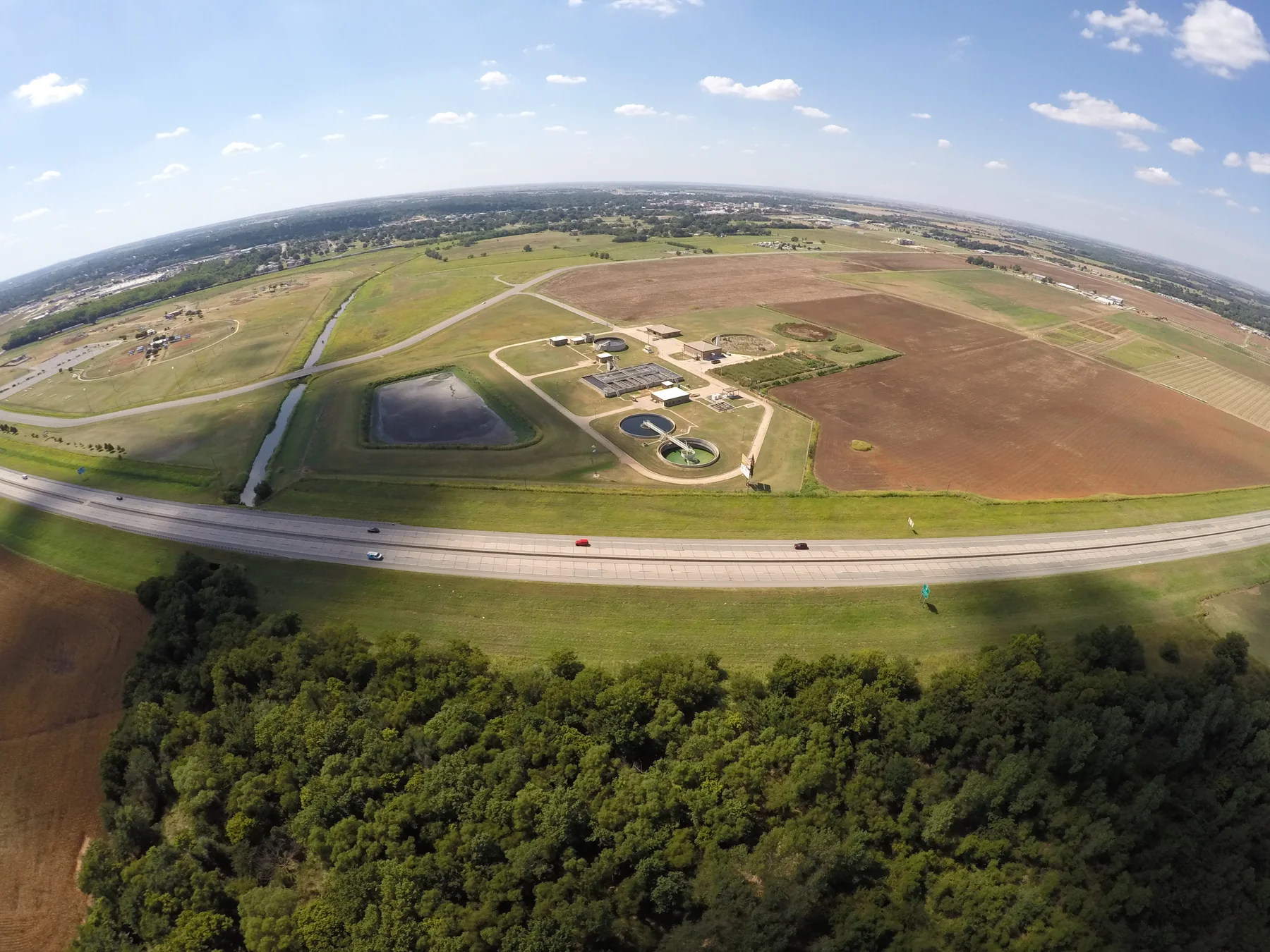 Photo: Environmental Health Program / USGS (photographer not individually named) · U.S. Public Domain (USGS Sources/Usage: Public Domain) · Image resized and converted to WebP.
Use checked information to draft a concise metric or narrative with scope, period, assumptions and limitations attached.
 Photo: Hyundai Motor Group · Pexels License · Image resized and converted to WebP.
Review the workflow, protect information, assign approval and capture control improvements for the next reporting cycle.
Human review: This exercise is not evidence of carbon reductions, cost savings, compliance, certification, assurance, financing eligibility or reporting acceptance.
Confirm the final syllabus, duration, dates, format and fees for your manufacturing team.
