


Map the policy landscape
Identify how Malaysia’s climate policy, national commitments, market instruments and possible regulatory developments may affect a factory, while separating national direction from confirmed company-level obligations.
Climate Change & Carbon Regulations
Build a practical map of Malaysia’s climate-policy direction, carbon-market signals and possible regulatory touchpoints for a manufacturing SME. This course helps participants distinguish national commitments from company duties, identify evidence gaps, screen exposure across sites and exports, and prepare a reviewable readiness plan without treating training as legal advice, assurance or certification.
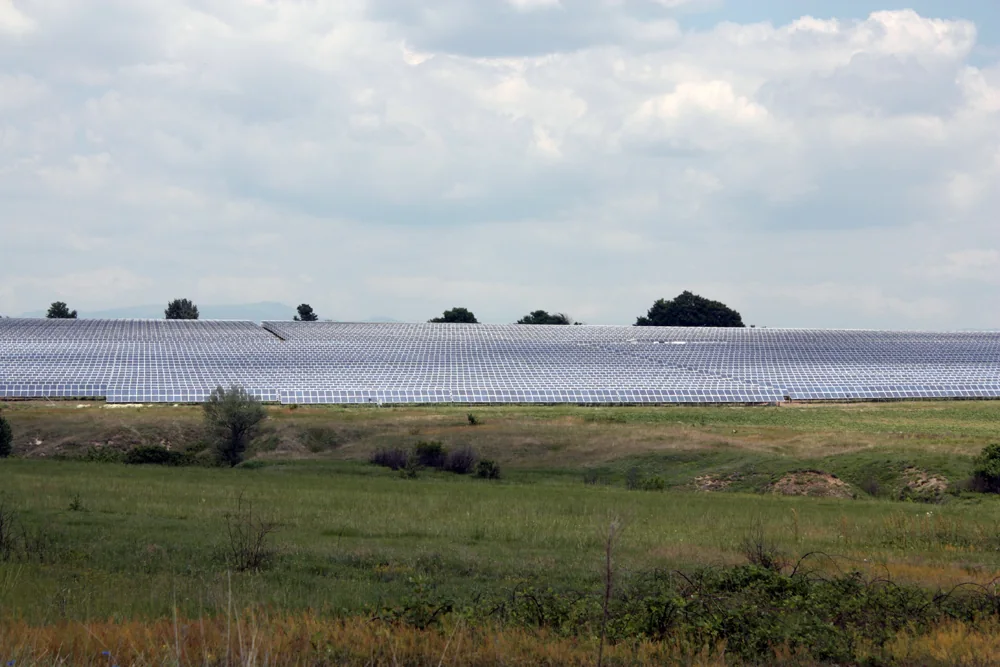
Category covers and course photos are illustrative licensed photographs, not AIGreen Plus staff, facilities or client results. Required creator and licence credits appear with each course photograph.
A useful first pass separates policy direction, applicability review and the evidence needed to support a later decision.
| Decision / evidence | Policy directionWhat the national framework signals | Applicability reviewWhether the situation may be in scope | Evidence readinessWhat records support the question |
|---|---|---|---|
| Question asked | What direction is signalled? | Could this situation be in scope? | What record supports the answer? |
| Primary owner | Policy monitor | Compliance or adviser liaison | Data and process owner |
| Decision evidence | Official policy source | Site, product and contract facts | Traceable records and assumptions |
| Next step | Track update and date | Escalate unresolved interpretation | Close gap and review |
The matrix is a training lens; it does not determine legal applicability, current rates, deadlines, coverage or filing duties. Course content is educational; verify current requirements against the linked official sources and the organisation's circumstances.
This course teaches Malaysian manufacturing teams how to read climate-policy signals, separate national targets from company-level obligations, and create an evidence-led first-pass readiness view. Participants practise a policy-to-process map, an applicability question set, a records checklist, and a short escalation plan for qualified advice. It is designed for SME leaders and staff who coordinate environment, energy, compliance, export, finance, procurement or operations decisions; it does not determine legal applicability or provide assurance.
Identify how Malaysia’s climate policy, national commitments, market instruments and possible regulatory developments may affect a factory, while separating national direction from confirmed company-level obligations.
Frame site, product, export, emissions-source and customer-request questions that a qualified adviser can use to test applicability, timing, evidence expectations and escalation needs for review.
Organise owners, data fields, records, assumptions and review dates into an evidence register for policy monitoring, carbon activity information and customer or regulator enquiries at the site.
Produce a prioritised readiness plan that separates internal preparation from legal interpretation, reporting, assurance, certification, transaction, funding and investment decisions requiring qualified review before action.
A fictional Selangor components manufacturer lists two factories, one export product family and three major customer requests. Participants map each item to a policy signal, a possible applicability question, an evidence owner and an escalation route. The exercise shows how to prepare a defensible review queue without asserting that any particular regulation already applies.
A sanitised plant record pack includes electricity bills, fuel logs, production volumes, process notes and an incomplete customer questionnaire. Learners label each record’s period, boundary, unit, owner and limitation, then identify missing evidence. They practise separating corporate inventory needs, product questions and external-claim review instead of combining them in one spreadsheet.
A fictional Penang electronics SME receives a request for climate information from an overseas buyer while a policy update is under review. Participants build a decision tree that separates response preparation, data verification, legal or customs questions and management approval. The output is a short action register, not a compliance conclusion, assurance opinion or financing assessment.
This is a fictional learning example, not client results.
Stated basis: Ten selected readiness records available for review · 8 ÷ 10 and 6 ÷ 10.
Absolute difference: 20 percentage points. This is a comparison of the stated exercise values, not proof of improvement.
The exercise compares two review snapshots to discuss evidence availability; it does not attribute any change to training or infer compliance.
Not a finding of compliance, a carbon reduction, cost saving, certification, assurance opinion, financing eligibility or legal applicability.
Final depth, exercises and delivery details are confirmed with AIGreen Plus before delivery.
On a small screen, scroll horizontally inside the course-outline table.
| Module | Focus | Key points | Practice |
|---|---|---|---|
| 01Malaysia Policy Signals | Read Malaysia’s climate-policy architecture as a direction-setting context, then separate national goals, implementation instruments, sector plans and confirmed enterprise duties. |
| Using a fictional Penang electronics plant, map one policy signal to a business question, an evidence owner and a qualified-review trigger. |
| 02Carbon Regulation Landscape | Compare potential carbon-pricing, disclosure, market and trade-related touchpoints while treating applicability, thresholds, rates and deadlines as questions to verify officially. |
| For a fictional furniture exporter, classify three notices as policy signal, customer request or possible requirement, then assign verification routes. |
| 03Applicability Screening | Use a structured screen to ask where operations, products, exports, emissions data, contracts and group boundaries could create different readiness questions. |
| A fictional plastics SME compares two sites and export channels, recording which facts are known, unknown or reserved for professional applicability review. |
| 04Evidence and Data Readiness | Turn policy-readiness questions into a controlled evidence register covering activity data, source records, assumptions, owners, review dates and change history. |
| Using anonymised monthly records from a metal parts line, build an evidence register and mark two fields needing source confirmation. |
| 05Carbon Data Boundaries | Distinguish organisational carbon inventory questions from product life-cycle questions, reduction evidence, offsets and claims that require separate methods and review. |
| A fictional food processor separates a site inventory, a packaged-product question and an offset claim into three review lanes for discussion. |
| 06Trade and Customer Readiness | Prepare for customer, export and supply-chain questions by mapping requested evidence, data owners, response controls and uncertainty without claiming specific trade coverage. |
| A fictional rubber-component supplier receives a buyer climate questionnaire and drafts a response matrix showing evidence, owner, caveat and escalation. |
| 07Governance and Escalation | Assign decision rights for monitoring policy changes, approving assumptions, preserving evidence and escalating legal, assurance, tax or financing implications early. |
| A fictional textile SME designs an escalation tree for a new climate request, routing policy interpretation, data gaps and public claims separately. |
| 08Readiness Roadmap | Combine policy monitoring, evidence preparation, owner assignment and review checkpoints into a proportionate readiness roadmap for a Malaysian manufacturing SME. |
| Using a fictional Johor machinery maker, convert four readiness gaps into owners, evidence checks and review dates for a training roadmap. |
A proposed learning design that uses Malaysian manufacturing scenarios and controlled evidence exercises; it does not claim superiority or guaranteed outcomes.
| Focus | Proposed approach | Factory relevance |
|---|---|---|
| Policy-to-factory translation | Use a Malaysia policy map before introducing factory decision questions. | Helps teams distinguish national direction from site-specific obligations and avoid premature conclusions. |
| Applicability screen | Practise an owner-led question set across sites, products, exports and counterparties. | Makes unknowns visible for qualified review rather than hiding them in assumptions. |
| Evidence control | Build a traceable register linking records, boundaries, units, assumptions and review dates. | Supports repeatable internal discussion when requests or policy signals change. |
| Readiness escalation | Separate preparation, interpretation, assurance, certification, filing, tax and financing decisions in a routing exercise. | Keeps training outputs useful without presenting them as legal advice or external assurance. |
The course treats Malaysia’s National Climate Change Policy 2.0 as a strategic policy framework for low-carbon transition and climate resilience. It also uses the national climate commitment as context. Participants learn to translate that direction into factory questions, not to treat policy statements as automatic duties for every SME.
No. It teaches a structured applicability screen using sites, products, activities, exports, contracts and evidence. Current legal, tax, customs, reporting and market questions must be checked against official requirements and, where appropriate, reviewed by a suitably qualified adviser.
No. An NDC communicates a country’s climate contribution under the Paris Agreement. The course uses Malaysia’s economy-wide commitment as policy context, then asks what information a company may need to monitor, without converting a national target into a factory-level legal conclusion.
No. Rates, thresholds, deadlines, coverage and duties can change or depend on the relevant instrument and facts. The exercise records these as verification questions and directs participants to confirm current official requirements before making operational or external commitments.
No. The course first focuses on policy awareness, evidence quality, operational questions and reduction planning. Carbon-market or offset decisions are separate topics requiring their own method, eligibility checks and qualified review; training does not promise credits, neutrality, financing or market access.
Start with a controlled request log, identify the requested boundary and period, link each answer to records, and mark assumptions or gaps. Route product coverage, customs, contractual and public-claim questions for appropriate review rather than presenting a training worksheet as a verified submission.
No. It explains why organisational inventory questions and product life-cycle questions should be separated, then practises boundary and evidence decisions at an introductory level. A formal inventory, LCA or product carbon footprint requires the relevant method, data quality controls and review.
No. It is a proposed training exercise using fictional or sanitised facts. Outputs are learning aids such as question logs, evidence registers and action lists; they are not legal advice, regulatory filings, certification, assurance or a site audit.
Plant, operations, sustainability, environment, compliance, export, procurement, finance and management staff can contribute different facts and decisions. The course is most useful when participants can identify site records, customer requests and internal owners, even if they need later specialist advice.
Those delivery details are not specified in this proposed content. Please enquire about scope, format, duration and fees. Do not treat participation as a professional qualification, independent certification or evidence that a factory meets any legal, reporting, market or financing condition.
Malaysia Climate Policy, Carbon Regulations and Business Readiness — proposed practice flow; people remain responsible for evidence, decisions and any operational change.
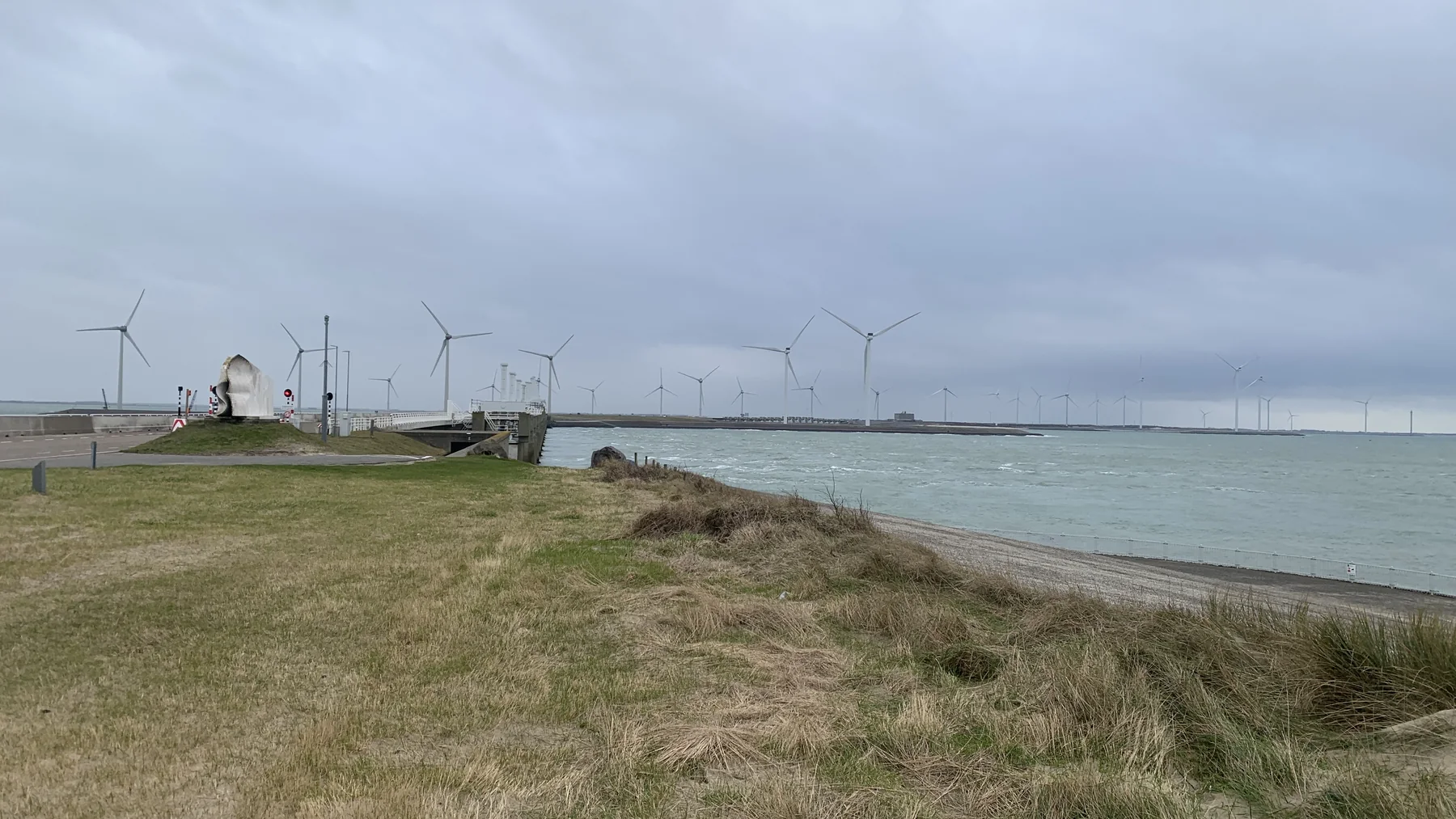 Photo: Klankbeeld · Creative Commons Attribution 4.0 International (CC BY 4.0) · Image resized and converted to WebP.
Define the policy, site and product questions for the exercise.
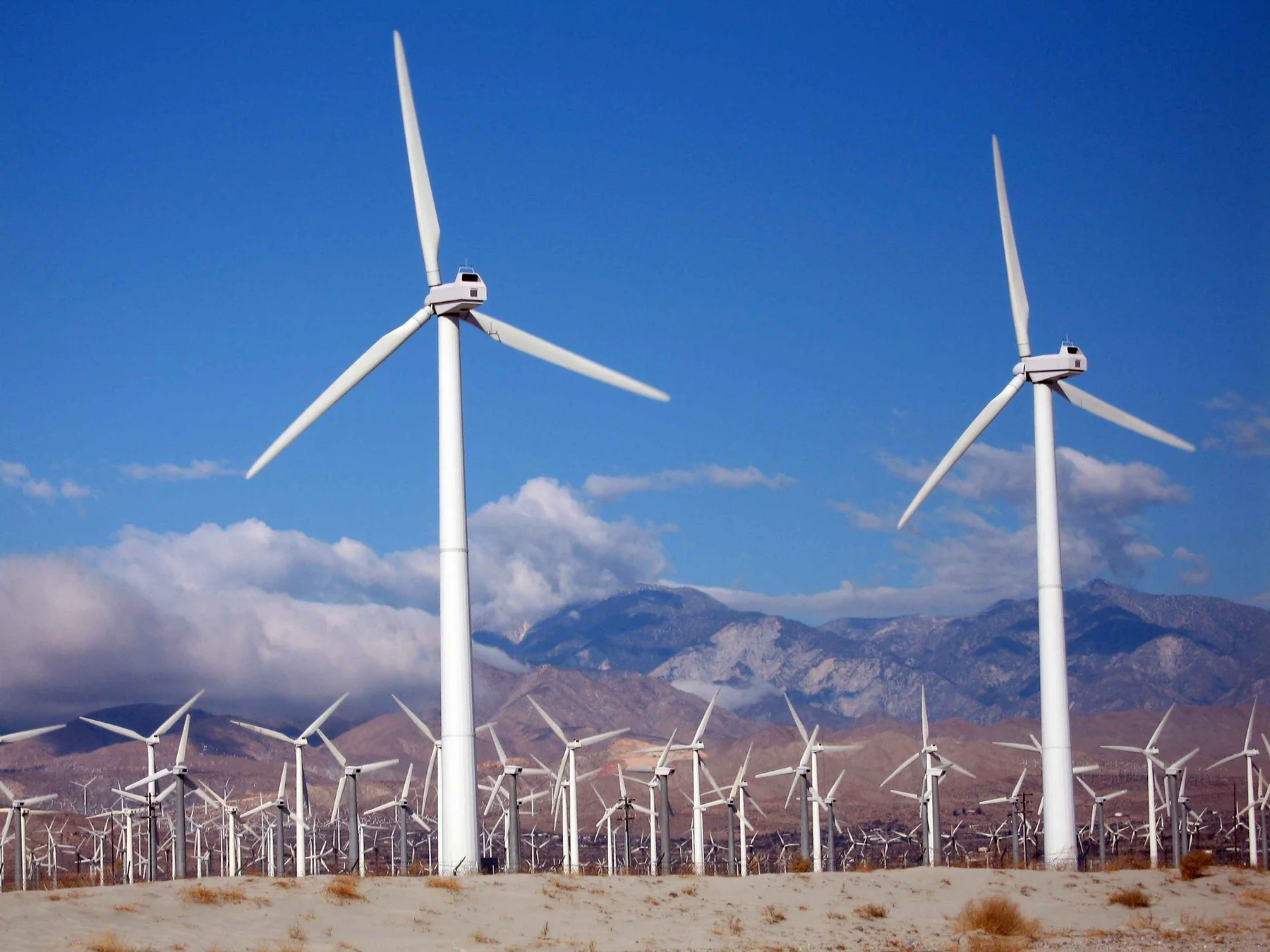 Photo: Winchell Joshua, U.S. Fish and Wildlife Service · Public domain (PD-USGov-FWS) · Image resized and converted to WebP.
Test possible touchpoints without deciding legal applicability.
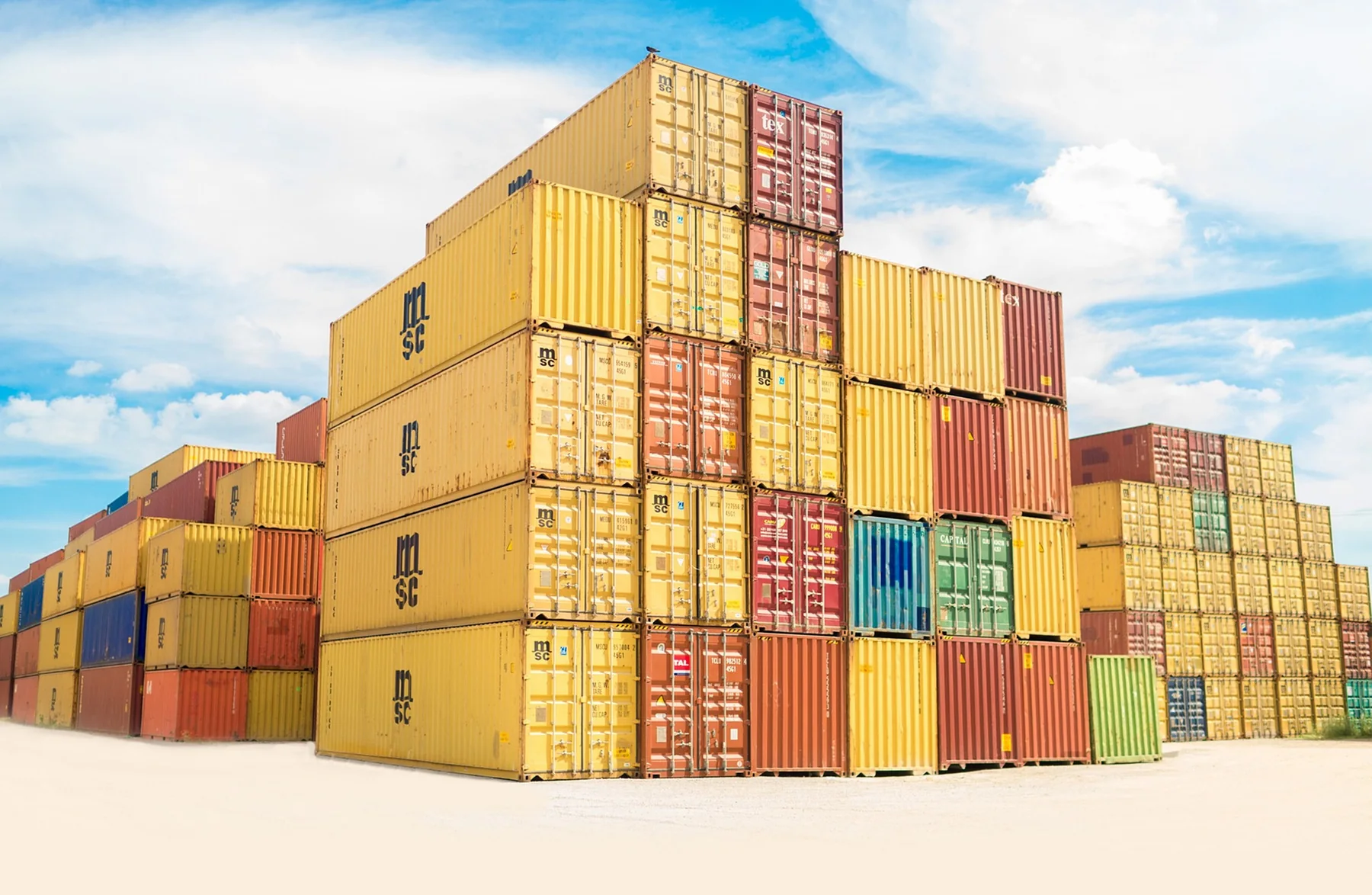 Photo: StockSnap (Pixabay user stocksnap-894430) · Pixabay Content License · Image resized and converted to WebP.
Link activity data and records to owners, boundaries and review dates.
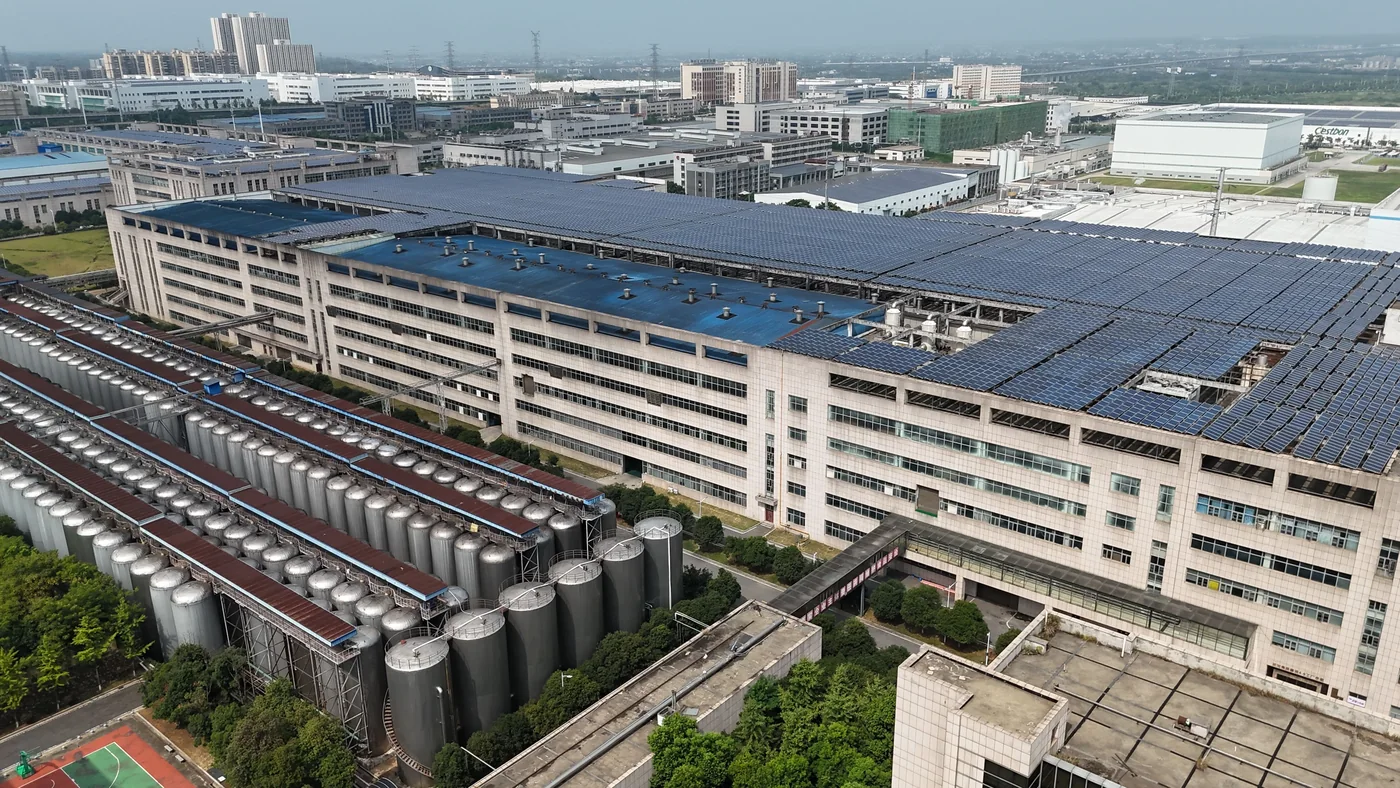 Photo: CHINA YU · Pexels License · Image resized and converted to WebP.
Send legal, customs, tax, assurance and claims questions to the right reviewer.
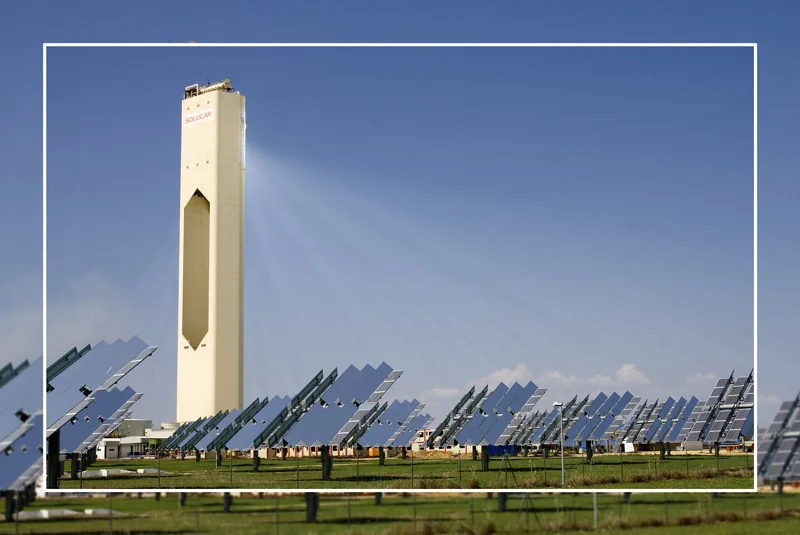 Photo: afloresm · Creative Commons Attribution 2.0 Generic (CC BY 2.0) · Image resized and converted to WebP.
Prioritise proportionate preparation and schedule policy and evidence reviews.
Human review: Not a finding of compliance, a carbon reduction, cost saving, certification, assurance opinion, financing eligibility or legal applicability.
Confirm the final syllabus, duration, dates, format and fees for your manufacturing team.
