


Frame IFRS S2 questions
Explain how climate-related risks and opportunities may connect to cash flows, access to finance or cost of capital without deciding company-specific applicability.
Climate Change & Carbon Regulations
A practical course for Malaysian manufacturing SMEs to understand IFRS S2’s climate-related financial disclosure logic. Learners map physical and transition risks, opportunities, governance, strategy, risk processes, metrics and targets, then organise evidence for a reviewable draft. The course distinguishes S2 from S1 and treats applicability as an assessment, not a compliance conclusion.
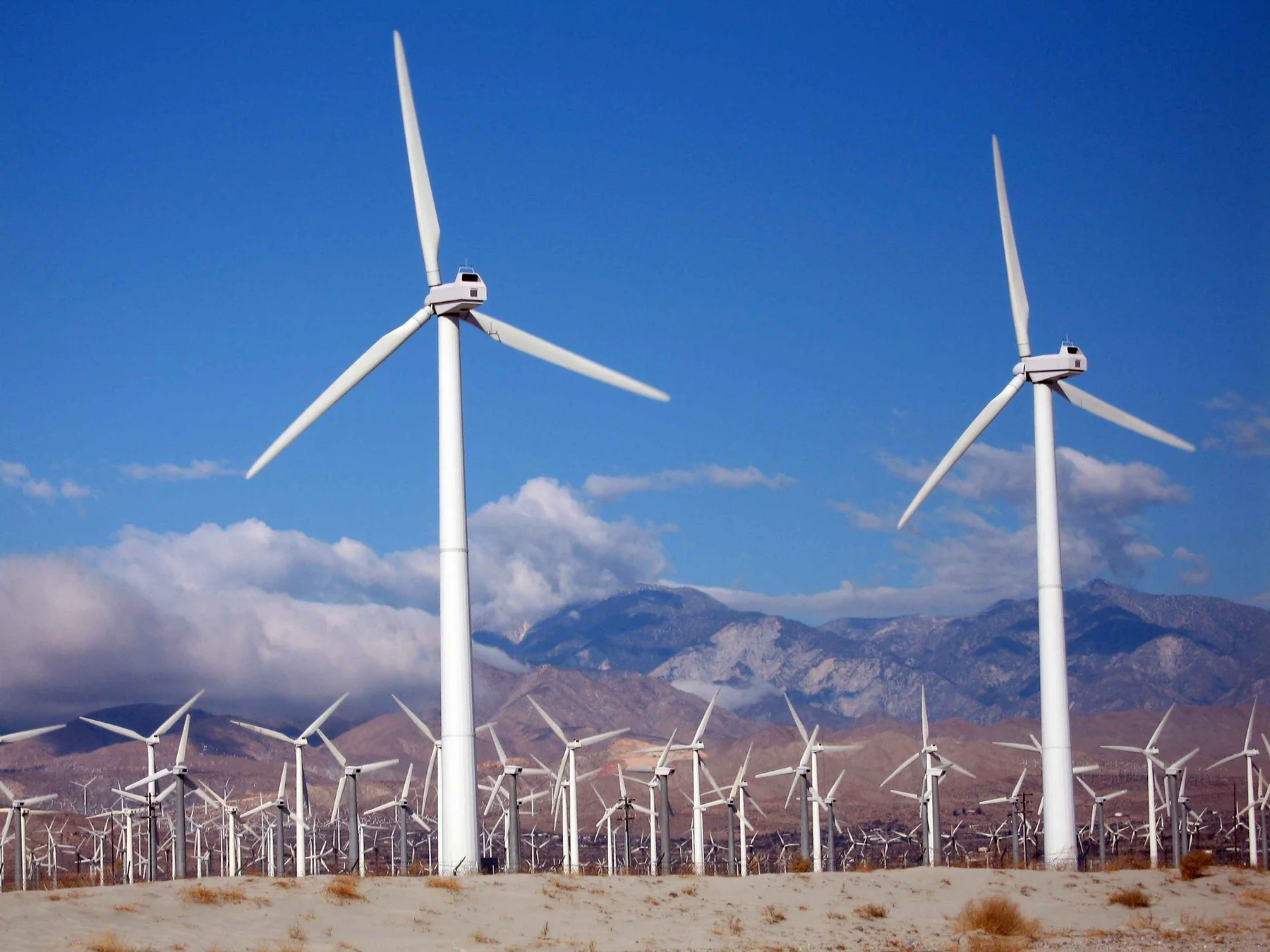
Category covers and course photos are illustrative licensed photographs, not AIGreen Plus staff, facilities or client results. Required creator and licence credits appear with each course photograph.
Use the three lenses to classify a factory issue before connecting it to governance, strategy, risk management, metrics and targets.
| Decision / evidence | Physical risksHazards and changing conditions | Transition risksShift-related exposures | OpportunitiesPotential climate-related openings |
|---|---|---|---|
| Trigger | Acute event or chronic trend | Policy, demand or technology change | Need or capability linked to transition |
| Evidence | Site records, maps, maintenance data | Energy plans, customer signals, policy watch | Product plans, investment cases, customer needs |
| Financial link | Production interruption or asset exposure | Costs, demand or asset obsolescence | Revenue, resilience or capital-access questions |
| Review question | Which owner monitors exposure and response? | Which assumption needs management review? | What evidence supports the opportunity narrative? |
This comparison teaches classification; it does not decide materiality, applicability, financial effects or assurance for any company. Course content is educational; verify current requirements against the linked official sources and the organisation's circumstances.
This course teaches Malaysian manufacturing SME owners and cross-functional teams how to read IFRS S2’s climate disclosure concepts, classify physical and transition risks, connect opportunities to strategy, and organise governance, risk-process, metrics and target evidence. Participants practise a climate scope map, strategy canvas, risk workflow and disclosure traceability checklist using fictional or sanitised factory information. The draft supports informed internal discussion; it does not determine applicability, provide assurance, or promise a compliant filing or financing outcome.
Explain how climate-related risks and opportunities may connect to cash flows, access to finance or cost of capital without deciding company-specific applicability.
Classify physical risks, transition risks and opportunities across factory activities, suppliers and time horizons, with an owner and evidence prompt for each.
Build a linked view of governance, strategy, risk management, metrics and targets that separates documented facts, assumptions, plans and evidence gaps.
Use a traceability checklist to test boundaries, definitions, sources and wording in a fictional disclosure draft before management or qualified adviser review.
In a fictional Penang components factory, participants use a sanitised site map, maintenance log and supplier note to classify heat and flood exposures. They link each item to production dependencies, time horizon, potential financial effect and an evidence owner. The exercise ends with a review list, not a resilience conclusion or forecast.
A fictional electronics manufacturer compares two electricity-transition pathways using approved mock invoices, equipment notes and procurement assumptions. Learners identify possible strategy implications, label estimates, and record what finance, operations and procurement would need to confirm. The comparison illustrates structured reasoning; it does not estimate savings, secure finance or establish compliance.
Using a fictional precision-machining SME’s draft, learners cross-reference governance roles, risk-process steps, strategy statements, emissions metrics and targets. They flag inconsistent time horizons and unsupported wording, then produce a traceability checklist for management review. The draft is a classroom artefact, not a filing, assurance conclusion or client result.
This is a fictional learning example, not client results.
Stated basis: Eight required evidence items in a fictional draft review · 8 ÷ 8 and 6 ÷ 8.
Absolute difference: 25 percentage points. This is a comparison of the stated exercise values, not proof of improvement.
The comparison indicates how many of the defined evidence items were traceable at the exercise checkpoint; learners use the gap list to assign follow-up work.
The ratio shows classroom evidence completeness only; it is not a disclosure conclusion, compliance or certification result, assurance opinion or financing eligibility.
Final depth, exercises and delivery details are confirmed with AIGreen Plus before delivery.
On a small screen, scroll horizontally inside the course-outline table.
| Module | Focus | Key points | Practice |
|---|---|---|---|
| 01Why IFRS S2 Matters to Factory Finance | Connect climate-related risks and opportunities to cash flows, access to finance and cost of capital without treating the course as an applicability determination. |
| Using a fictional metal parts factory, map one heat risk and one transition opportunity to possible financial effects and evidence needs. |
| 02S1 and S2 Relationship | Explain how IFRS S2 supplies climate-specific requirements alongside IFRS S1’s general concepts, materiality and presentation requirements. |
| Compare a fictional draft disclosure pack against S1 and S2 question cards, marking missing context without declaring the company compliant. |
| 03Climate Risk and Opportunity Map | Classify physical risks, transition risks and opportunities, then link them to sites, suppliers, products, time horizons and business decisions. |
| Create a risk register for a fictional plastics plant facing flood exposure and an electricity-transition opportunity, with owners and evidence prompts. |
| 04Governance and Accountability | Draft a governance view showing oversight, management roles, controls and procedures used to monitor, manage and oversee climate-related matters. |
| Build a sanitised governance map for a family-owned factory, assigning oversight, management, control evidence and an escalation trigger. |
| 05Strategy, Resilience and Scenario Thinking | Practise describing strategy, business-model implications, transition planning and resilience without making unsupported forecasts or financing claims. |
| Review three fictional strategy options for an electronics plant and document assumptions, dependencies and evidence still needed for a draft narrative. |
| 06Risk Management Process | Show how climate matters can be identified, assessed, prioritised, monitored and integrated into a broader enterprise risk management process. |
| Adapt a fictional factory risk register so climate triggers, severity criteria, response owners and review dates are visible. |
| 07Metrics, Targets and GHG Evidence | Organise metrics and targets, including relevant greenhouse gas information, with definitions, boundaries, methods, controls and progress context. |
| Reconcile a sanitised factory energy and emissions worksheet, documenting boundaries, source records, assumptions and questions for review. |
| 08Disclosure Draft and Review Gate | Assemble a connected draft across governance, strategy, risk management and metrics, then test clarity, traceability and audience relevance. |
| Review a fictional draft disclosure for a precision-components SME and annotate unsupported claims, missing links and follow-up evidence requests. |
This draft uses factory-focused maps, evidence exercises and review gates for course design; it does not claim superiority, assurance or guaranteed results.
| Focus | Proposed approach | Factory relevance |
|---|---|---|
| S1 and S2 boundary | Learners compare general sustainability disclosure foundations with climate-specific requirements before drafting any S2-related response. | Teams can ask better questions about materiality, connected information and the need for qualified interpretation. |
| Financial-effects mapping | Exercises link factory exposures and opportunities to cash-flow, finance-access and cost-of-capital questions without forecasting an outcome. | Finance and operations can discuss why climate information may matter to decisions while keeping assumptions visible. |
| Evidence-first drafting | Each practice draft records a boundary, source, owner, period, assumption and gap beside the narrative statement. | Participants can see which parts are documented, estimated or still awaiting review before circulation. |
| SME-scaled review | Fictional Malaysian factory cases keep the four content areas connected while using proportionate registers, checklists and management questions. | Smaller teams can practise a manageable workflow without treating a classroom exercise as a filing or audit. |
IFRS S2 is the ISSB’s climate-related disclosure standard. It addresses physical risks, transition risks and opportunities that could reasonably be expected to affect an entity’s prospects, including cash flows, access to finance or cost of capital. The course teaches the concepts through factory exercises, not legal advice.
IFRS S1 provides general requirements, concepts, materiality and presentation foundations for sustainability-related financial disclosures. IFRS S2 adds climate-specific requirements and is designed to be applied with S1. Learners compare the boundaries and flag questions requiring qualified interpretation rather than treating S2 as a standalone checklist.
The course is educational for Malaysian manufacturing SMEs, whether listed or privately held. It does not decide whether an entity must apply IFRS S2, another local requirement or a voluntary framework. Participants practise an applicability question set and should confirm current requirements with the appropriate qualified person.
Physical risks include hazards and changing conditions such as flooding or heat. Transition risks can arise from policy, technology, markets or other shifts. IFRS S2 also covers climate-related opportunities. Exercises connect each category to factory activities, time horizons, financial-effect questions and supporting evidence.
Yes. The outline uses four connected content areas reflected in IFRS S1 and S2: governance, strategy, risk management, and metrics and targets. Participants map roles, strategy assumptions, risk-process steps and metric evidence, then test whether a draft narrative is traceable and internally consistent.
It introduces the role of Scope 1, Scope 2 and Scope 3 emissions information in IFRS S2-related learning, including boundaries, sources and data gaps. It does not calculate a company inventory or replace an approved GHG methodology, independent verification or qualified technical review.
Useful approved materials may include board or management minutes, risk registers, energy records, site exposure notes, targets, policies, supplier information and emissions data. Bring anonymised or sanitised material only. The course focuses on evidence ownership and traceability, not on collecting confidential information.
No. Exercises produce draft maps, evidence cards and a traceability checklist for learning. They are not a filing, compliance conclusion, assurance opinion, independent certification, audit or disclosure submission. Applicability, materiality, reporting boundaries and final wording require company-specific review and qualified advice where appropriate.
This is educational finance and disclosure content for business teams. It does not recommend investments, financing transactions or securities, and it does not promise access to capital. Participants learn to discuss climate-related financial effects and evidence questions with relevant internal owners.
Scope, delivery format, duration, fees, tools and final syllabus are not fixed in this draft. Enquire with the exact course title, participant roles and learning priorities. Confirm the current outline and any preparation needs before delivery, and do not send confidential factory information in an initial enquiry.
Climate-Related Financial Disclosures: IFRS S2 — proposed practice flow; people remain responsible for evidence, decisions and any operational change.
 Photo: Klankbeeld · Creative Commons Attribution 4.0 International (CC BY 4.0) · Image resized and converted to WebP.
Define which climate-related risks and opportunities may affect prospects and which questions need qualified confirmation.
 Photo: StockSnap (Pixabay user stocksnap-894430) · Pixabay Content License · Image resized and converted to WebP.
Set out oversight, management roles, controls and procedures for climate-related matters.
 Photo: Edal Anton Lefterov · Creative Commons Attribution-ShareAlike 3.0 Unported (CC BY-SA 3.0) · Image resized and converted to WebP; this adaptation is shared under CC BY-SA 3.0.
Link physical risks, transition risks and opportunities to strategy, dependencies, resilience assumptions and planning horizons.
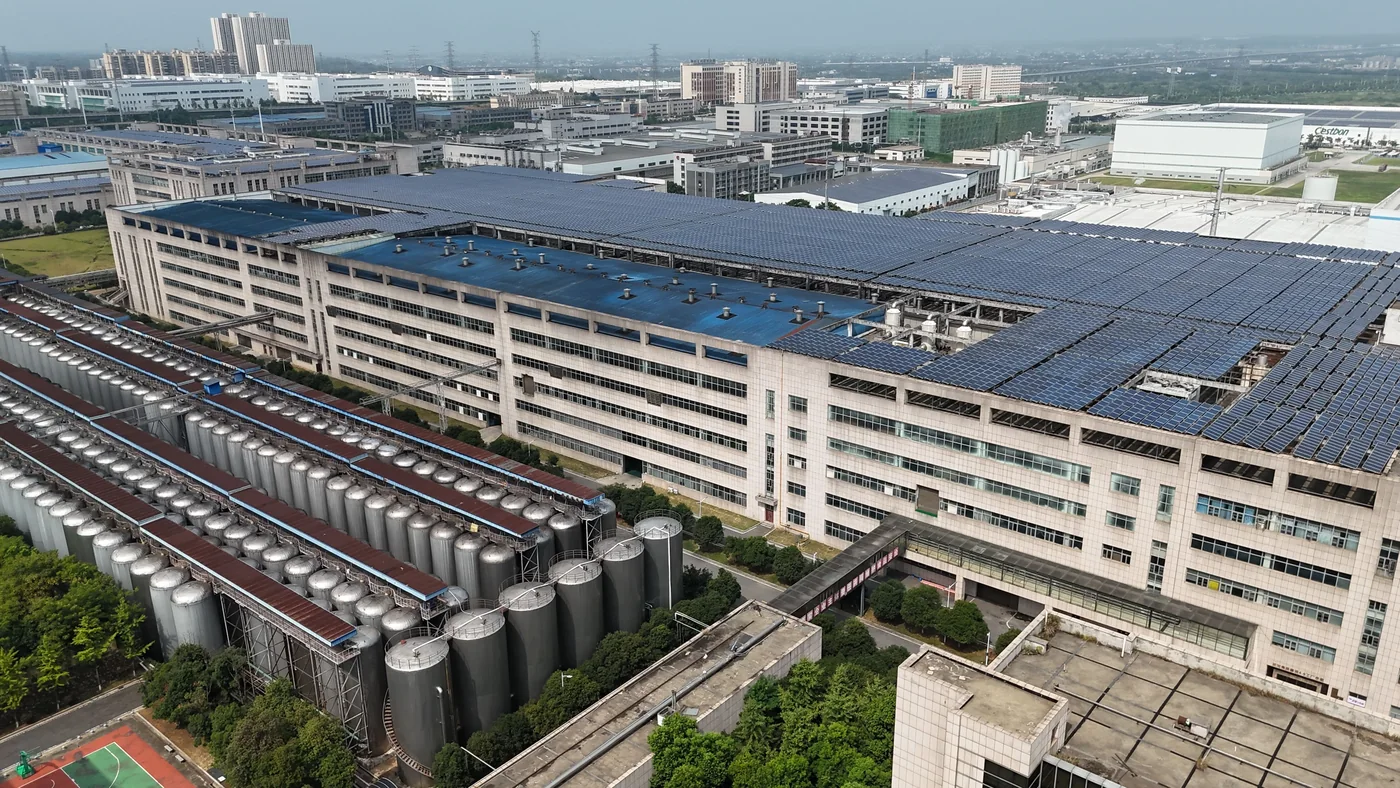 Photo: CHINA YU · Pexels License · Image resized and converted to WebP.
Practise integrating climate identification, assessment, prioritisation and monitoring with existing enterprise risk routines.
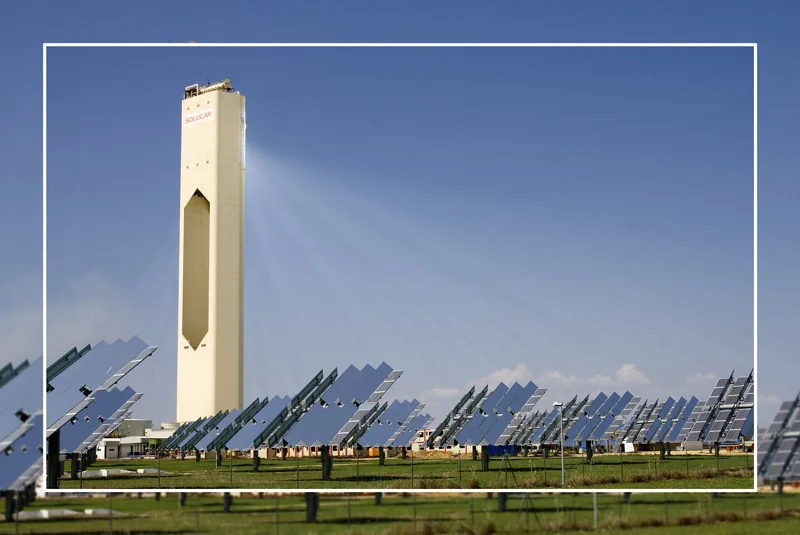 Photo: afloresm · Creative Commons Attribution 2.0 Generic (CC BY 2.0) · Image resized and converted to WebP.
Assemble metrics, targets and supporting records into a connected review checklist, without treating it as a filing or assurance.
Human review: The ratio shows classroom evidence completeness only; it is not a disclosure conclusion, compliance or certification result, assurance opinion or financing eligibility.
Confirm the final syllabus, duration, dates, format and fees for your manufacturing team.
