


Map climate pathways
Build a site and value-chain map linking plausible hazards to exposed assets, activities, people, suppliers and environmental receptors, with clear boundaries and evidence gaps for review.
Climate Change & Carbon Regulations
An applied introduction to climate change risk assessment and adaptation planning for Malaysian manufacturing SMEs. Participants map hazards, exposure and vulnerability across sites, processes and supply chains, then prioritise proportionate actions, assign owners, document assumptions and set review triggers. The course emphasises practical evidence and uncertainty without presenting a site audit or certification.
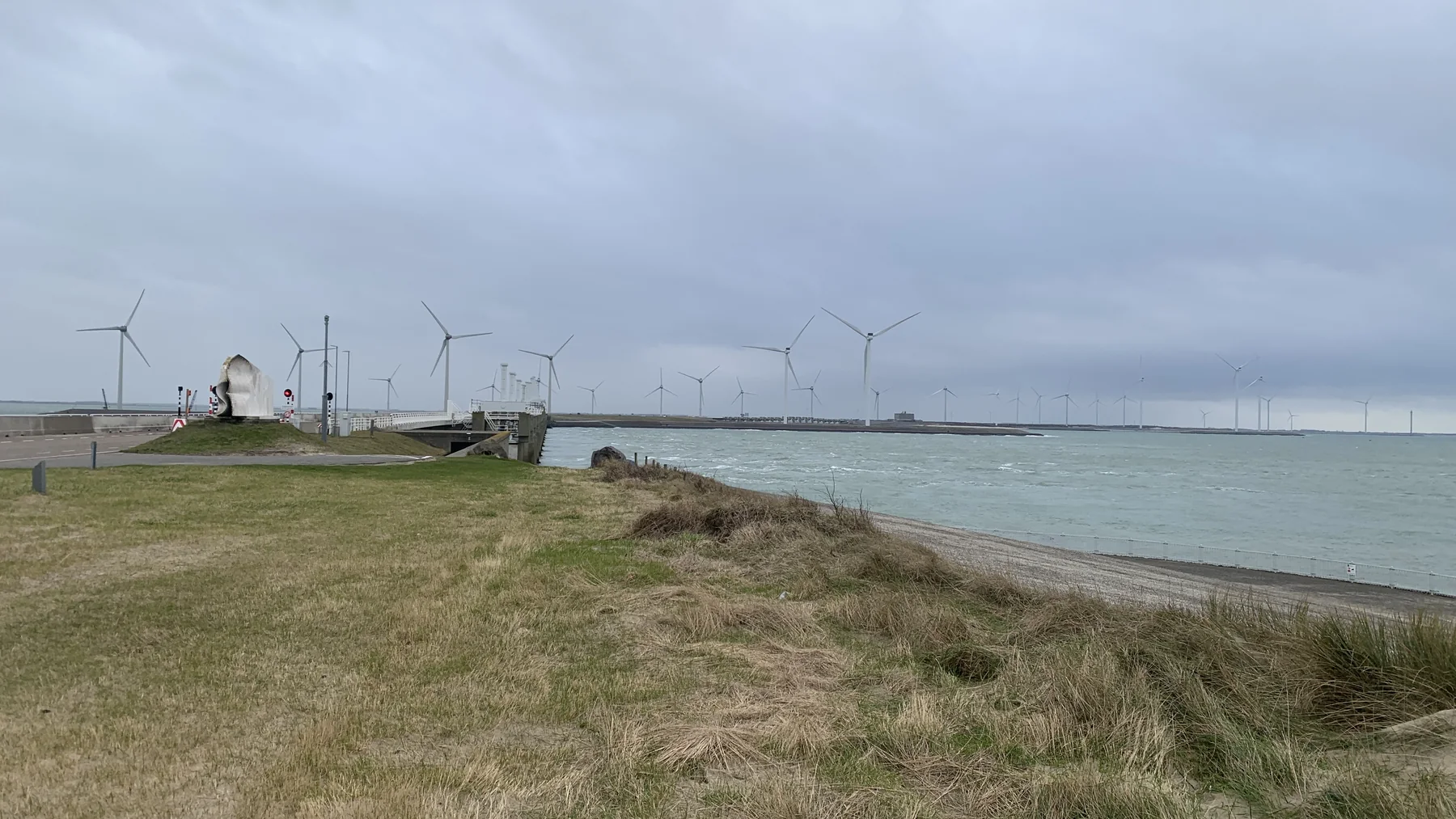
Category covers and course photos are illustrative licensed photographs, not AIGreen Plus staff, facilities or client results. Required creator and licence credits appear with each course photograph.
The Aqua Matrix separates the climate signal from business vulnerability and the action that can be reviewed.
| Decision / evidence | Hazard and exposureWhat may affect the operation | Vulnerability evidenceWhy impact could occur | Adaptation decisionWhat can be changed or reviewed |
|---|---|---|---|
| Heat stress | Hot conditions affect workers, equipment or materials | Cooling dependence, shift limits and maintenance records | Prioritise controls, triggers and review ownership |
| Intense rainfall | Rain can affect access, drainage or containment | Site layout, flood history and critical service links | Stage protection, response and inspection actions |
| Water constraint | Reduced availability may affect process or suppliers | Water dependency, alternatives and continuity evidence | Compare efficiency, substitution and trigger points |
| Supply interruption | Weather can disrupt a route, utility or tier | Supplier location, lead time and substitutes | Set monitoring, communication and phased options |
The matrix is a learning aid: it does not replace site-specific engineering, scientific, legal, safety or continuity advice. Course content is educational; verify current requirements against the linked official sources and the organisation's circumstances.
This course teaches Malaysian manufacturing SME owners and cross-functional teams how to screen physical climate hazards, trace risk pathways, assess exposure and vulnerability, compare adaptation options, and draft a reviewable action plan. Participants practise using fictional factory records to create a hazard register, evidence log, prioritised action cards and monitoring triggers. It is educational planning support, not a site assessment, assurance opinion, legal determination or promise of resilience outcomes; confirm final scope by enquiry.
Build a site and value-chain map linking plausible hazards to exposed assets, activities, people, suppliers and environmental receptors, with clear boundaries and evidence gaps for review.
Use a simple, documented lens for sensitivity, adaptive capacity, likelihood or consequence discussions, recording assumptions rather than presenting uncertain scenarios as precise forecasts or settled facts.
Compare structural, operational, supplier and emergency-response measures against feasibility, timing, residual risk, co-benefits and lock-in concerns, then record why options were selected or deferred.
Draft owner-led action cards with milestones, evidence checks, monitoring indicators, decision points and review triggers that can connect to existing factory management routines without claiming performance.
A fictional Malaysian metal-parts plant reviews intense-rainfall observations, drainage drawings, loading-bay access and a key supplier route. The team maps the hazard pathway, marks evidence confidence, identifies a low-regret housekeeping action and escalates a drainage question for engineering review. No real site condition or avoided loss is claimed.
In a sanitised electronics assembly exercise, participants connect hot-work conditions, cooling dependence, shift patterns, equipment alarms and worker welfare controls. They compare operational and engineering responses, record residual uncertainty and draft a trigger-based review plan. The exercise demonstrates reasoning steps, not a forecast, safety determination or measured resilience result.
A fictional packaging manufacturer traces a drought-related water dependency and a logistics interruption through two supplier tiers. Learners compare alternate sourcing, inventory, process substitution and communication options against feasibility, timing and residual risk, then document assumptions and owners. The scenario is deliberately simplified and does not establish procurement approval or financial benefit.
This is a fictional learning example using simplified review counts, not client results.
Stated basis: Actions with named owner and review evidence in one draft plan · 8 ÷ 15 and 12 ÷ 15.
Absolute difference: 26.67 percentage points. This is a comparison of the stated exercise values, not proof of improvement.
The exercise shows how a team can compare documented completeness between two review points; it does not estimate reduced climate risk, avoided disruption or training impact.
This simple completeness check is not evidence of physical risk reduction, compliance, certification, assurance, cost savings or financing eligibility.
Final depth, exercises and delivery details are confirmed with AIGreen Plus before delivery.
On a small screen, scroll horizontally inside the course-outline table.
| Module | Focus | Key points | Practice |
|---|---|---|---|
| 01Climate Risk in Factory Decisions | Clarify physical climate risk, adaptation and resilience, and connect the assessment to site decisions, continuity priorities and responsible management review. |
| Sketch a fictional electronics factory boundary, mark critical processes and list climate hazards that could interrupt production, utilities, safety or deliveries. |
| 02Hazard and Impact Screening | Screen heat, intense rainfall, flooding, drought, storms and supply interruptions using local context and process knowledge before deeper evidence review. |
| Use a sanitised factory layout and supplier map to create a hazard register, noting affected assets, pathways, people and immediate information gaps. |
| 03Exposure and Vulnerability | Examine which assets, workers, suppliers and communities are exposed, then discuss sensitivity and adaptive capacity without reducing uncertainty to a single score. |
| Compare two fictional production lines during a heat event, using maintenance, staffing, cooling and supplier records to explain different vulnerabilities. |
| 04Evidence, Scenarios and Uncertainty | Use approved records, climate information and scenario assumptions to make a traceable assessment while showing where evidence is limited or contested. |
| Build an evidence log for a mock flood pathway, separating observed downtime, assumed exposure, external data and questions for specialist review. |
| 05Risk Rating and Priorities | Create a proportionate prioritisation lens that combines consequence, likelihood discussion, urgency, vulnerability and decision thresholds for a small manufacturing operation. |
| Rank four fictional risks using a transparent matrix, then write a short rationale and identify which rating needs further evidence. |
| 06Adaptation Options and Pathways | Compare practical options, timing and residual risk, including phased pathways that preserve future choices and avoid premature lock-in. |
| Compare drainage, scheduling and alternate-supplier options for a fictional plant, then stage actions around triggers and remaining uncertainty. |
| 07Action Plan and Governance | Turn priorities into accountable adaptation actions linked to budgets, continuity routines, management review and evidence that can be revisited as conditions change. |
| Draft three adaptation action cards for a mock plastics factory, including owner, milestone, evidence check, dependency and escalation route. |
| 08Monitoring, Learning and Communication | Design monitoring for hazards, near misses, operational indicators and plan assumptions, then communicate limits, progress and changes without overclaiming. |
| Create a quarterly review board for a fictional factory, showing trigger, data owner, decision, update note and unresolved question. |
This draft uses risk-pathway maps, evidence logs and owner-led option cards as proposed course design, not proven superiority or guaranteed resilience results; confirm final scope by enquiry.
| Focus | Proposed approach | Factory relevance |
|---|---|---|
| Risk-pathway story | Each exercise follows hazard, exposure, vulnerability, consequence, response and review in one factory storyline. | Learners can see where evidence belongs and where an action changes a pathway. |
| SME-proportionate evidence | Templates start with approved operational records, site knowledge and clearly labelled gaps before more complex analysis is considered. | Smaller teams can organise a credible first assessment without pretending to have perfect data. |
| Decision-ready adaptation | Option cards compare timing, feasibility, residual risk, co-benefits and future triggers rather than listing generic resilience ideas. | Managers can explain why an action is selected, phased or deferred. |
| Uncertainty with ownership | Every assumption, indicator and review trigger receives an owner and a route for updating the plan. | The plan can change as observations, supplier conditions or climate information develop. |
It is a structured learning exercise that links climate hazards with exposed assets, activities, people, suppliers and consequences. Participants record vulnerability evidence, assumptions and uncertainty, then prioritise questions and responses. It is not a site audit or definitive forecast.
Adaptation planning here means selecting and sequencing practical measures that reduce exposure or vulnerability, improve preparedness or preserve future choices. Learners document owners, timing, indicators, residual risk and review triggers rather than promise that every impact can be prevented.
Yes, examples use factory sites, utilities, logistics, workers, suppliers and management routines familiar to Malaysian manufacturing SMEs. They are fictional learning scenarios; participants must confirm local hazard information, engineering needs and current requirements with appropriate qualified sources.
Exercises consider heat, intense rainfall, flooding, water constraints, storms, access disruption and supplier or utility interruptions. The relevant set depends on location, processes and dependencies. The course teaches screening and evidence capture, not a universal Malaysian hazard ranking.
Participants use clearly labelled scenario assumptions to test decisions and timing, while separating observed records from projections or estimates. The course avoids presenting an uncertain scenario as a precise prediction; detailed modelling or interpretation may require specialist advice.
Only organisation-approved information should be used. Sanitised records such as incidents, maintenance, utilities, downtime, supplier dependencies and continuity plans can support exercises; personal, confidential and commercially sensitive details should be removed or protected.
Teams use a transparent lens for consequence, likelihood discussion, vulnerability, urgency, evidence quality and decision thresholds. Ratings are learning aids, not regulatory determinations. High-concern or technically complex issues should be escalated for deeper analysis by appropriate specialists.
Participants draft a fictional or organisation-approved outline containing boundaries, priority risks, options, owners, milestones, indicators, assumptions and review triggers. It is a training output, not a completed engineering design, legal compliance plan, assurance conclusion or site-specific professional opinion.
No. ISO 14091 is used as an educational reference for vulnerability, impacts and risk assessment that can inform adaptation planning. The course does not confer ISO certification, validate an organisation's assessment or replace a purchased standard, qualified advice or assurance.
Dates, duration, delivery format, fees, tools and final scope are not fixed in this draft. Enquire with participant roles, site context and learning priorities to confirm available arrangements. Do not send confidential factory data before the scope and handling arrangements are agreed.
Climate Change Risk Assessment and Adaptation Planning — proposed practice flow; people remain responsible for evidence, decisions and any operational change.
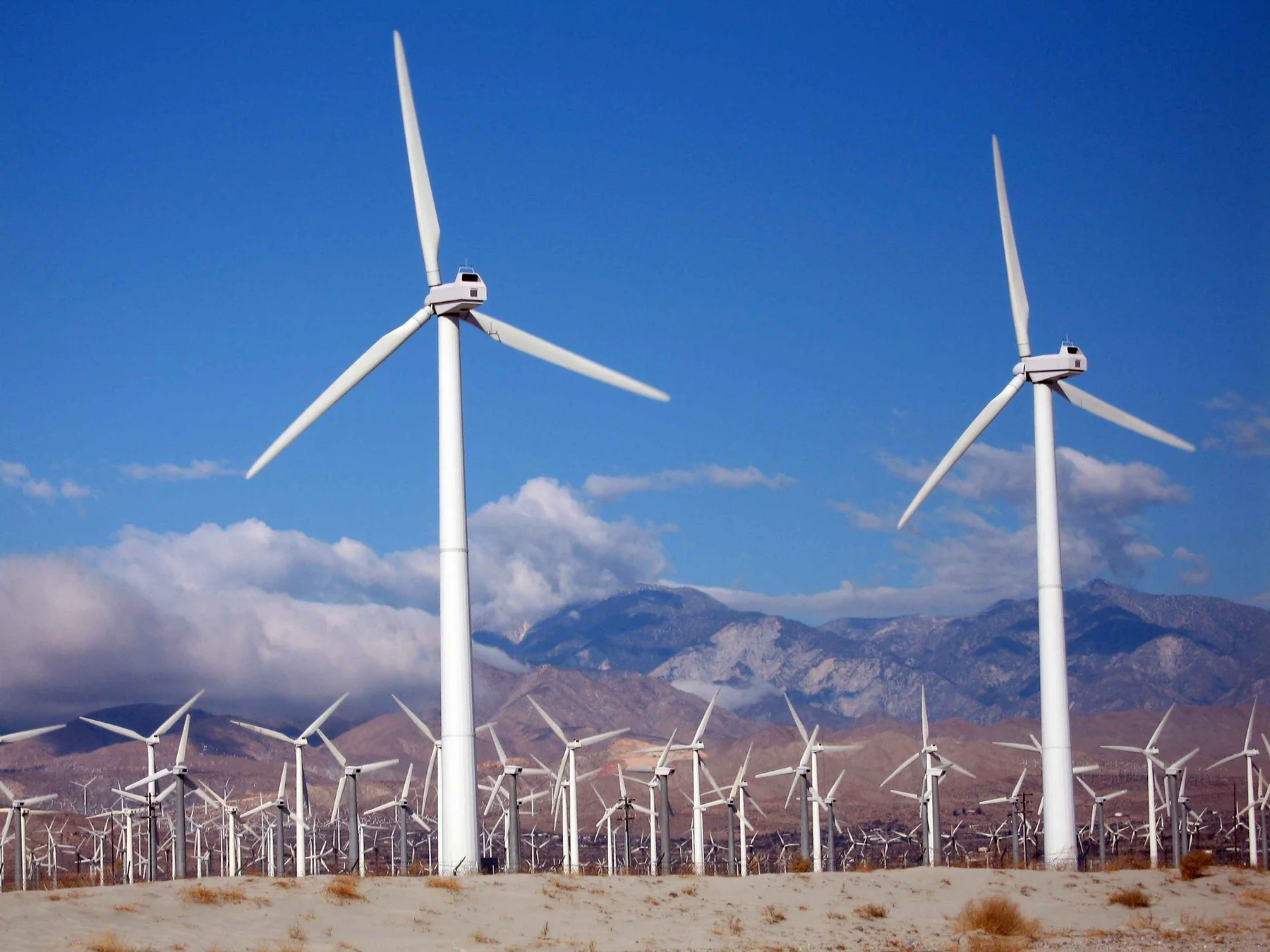 Photo: Winchell Joshua, U.S. Fish and Wildlife Service · Public domain (PD-USGov-FWS) · Image resized and converted to WebP.
Define site, process, value-chain and planning boundaries before screening hazards.
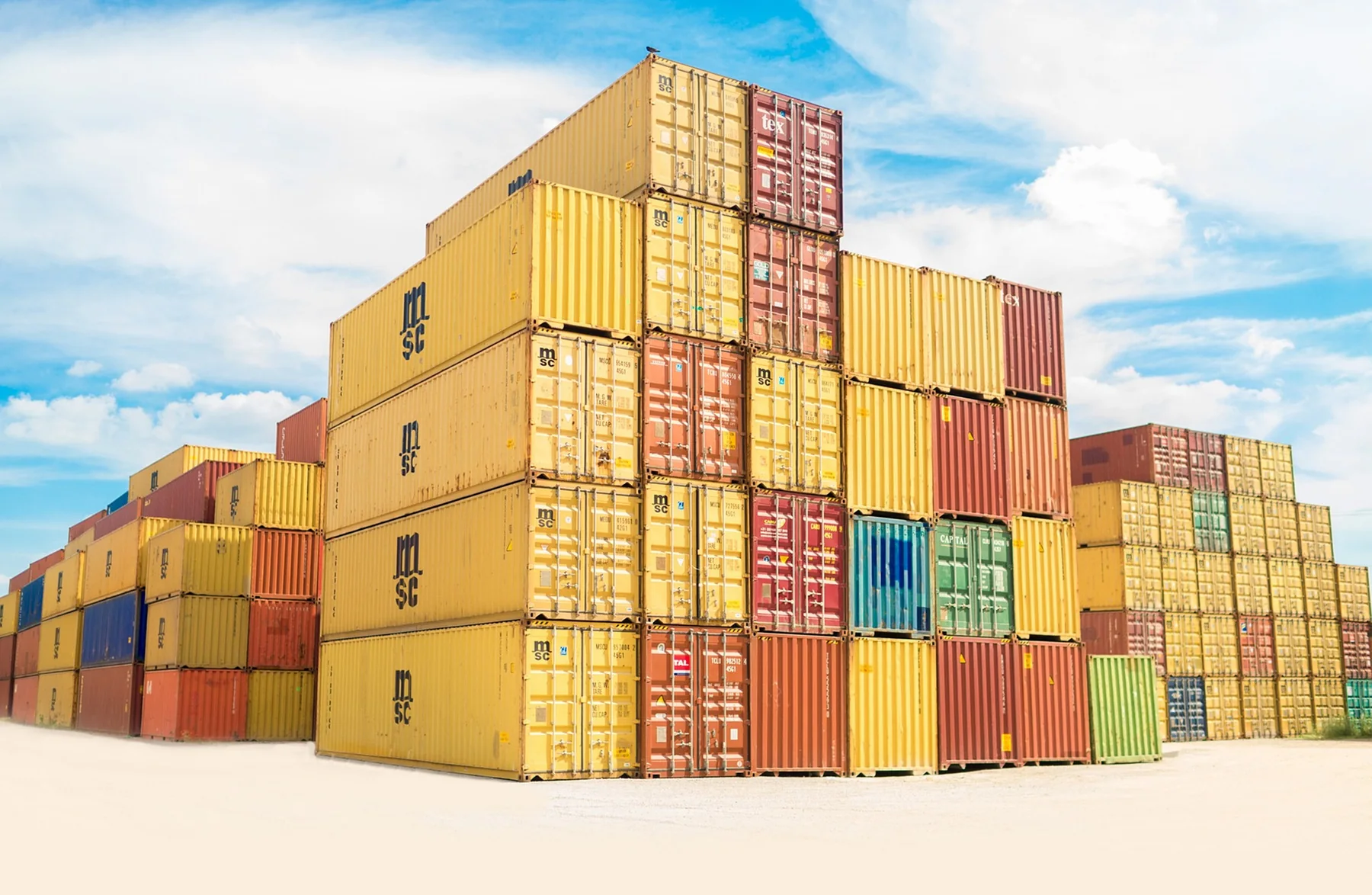 Photo: StockSnap (Pixabay user stocksnap-894430) · Pixabay Content License · Image resized and converted to WebP.
List relevant current and plausible future hazards, pathways and initial evidence needs.
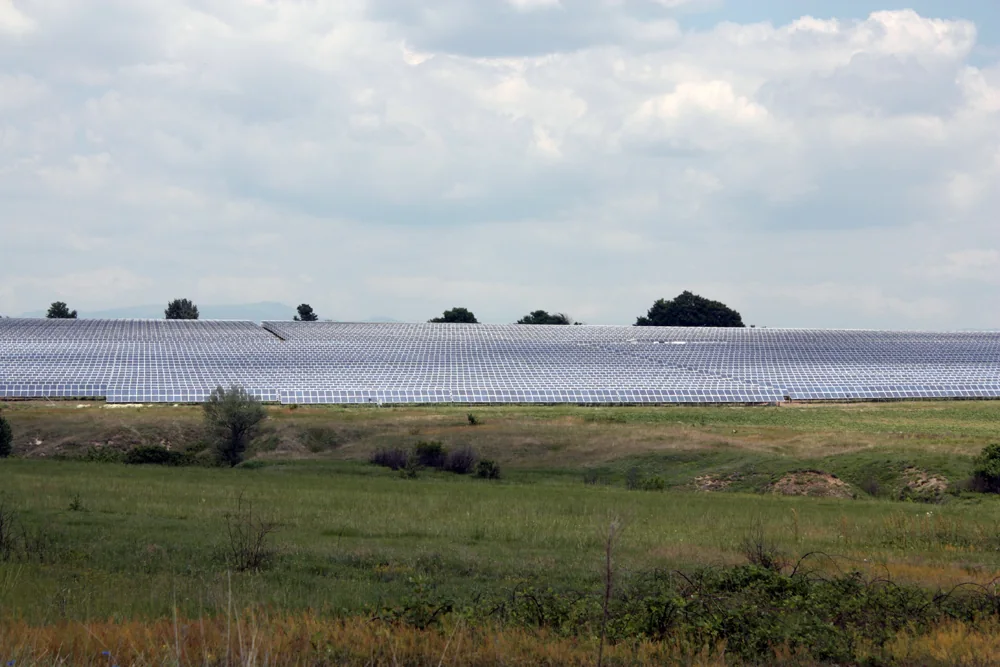 Photo: Edal Anton Lefterov · Creative Commons Attribution-ShareAlike 3.0 Unported (CC BY-SA 3.0) · Image resized and converted to WebP; this adaptation is shared under CC BY-SA 3.0.
Examine exposure, sensitivity, adaptive capacity and consequences for people, assets, processes and suppliers.
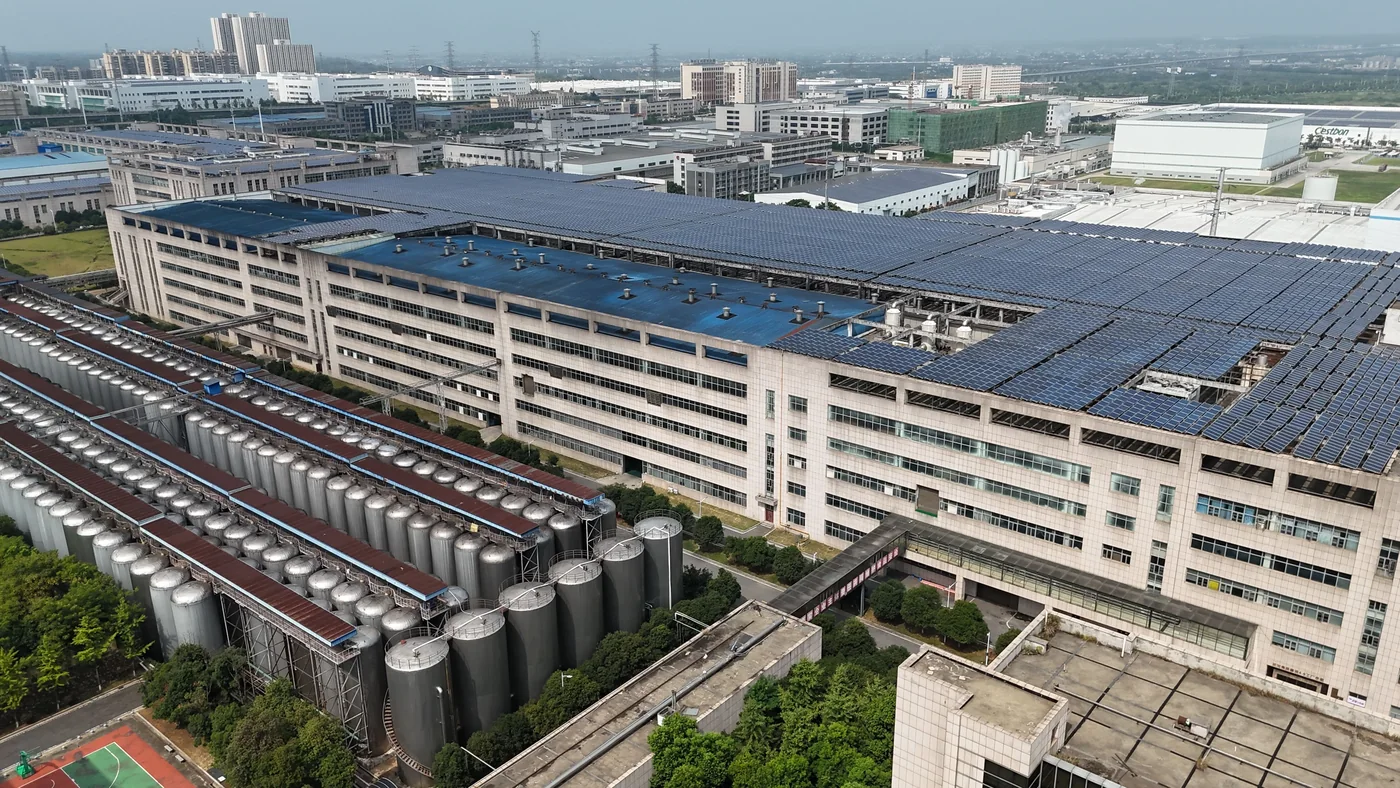 Photo: CHINA YU · Pexels License · Image resized and converted to WebP.
Compare adaptation options, timing, residual risk and future triggers before selecting a proportionate action path.
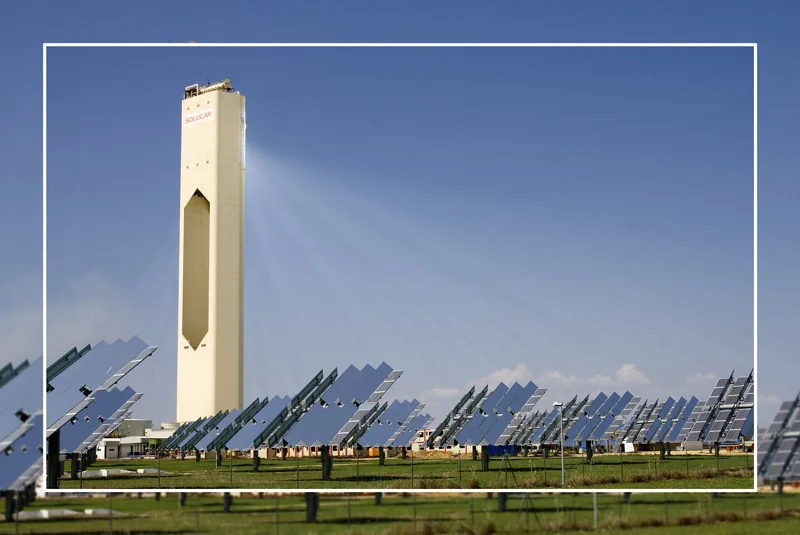 Photo: afloresm · Creative Commons Attribution 2.0 Generic (CC BY 2.0) · Image resized and converted to WebP.
Set indicators, event logs, ownership and review triggers so the plan can be updated as evidence changes.
Human review: This simple completeness check is not evidence of physical risk reduction, compliance, certification, assurance, cost savings or financing eligibility.
Confirm the final syllabus, duration, dates, format and fees for your manufacturing team.
