


Map the export pathway
Map an EU-bound product's customs, production-route and customer-information pathway, clearly identifying which facts are known, which records are missing and who should confirm each item.
Climate Change & Carbon Regulations
A practical course for Malaysian manufacturing SMEs that need to understand how CBAM-related information can affect EU-bound products. Participants map product and customs data, request embedded-emissions evidence, check calculations and records, separate exporter support from importer obligations, and build an internal readiness pack without treating training as legal advice or regulatory filing.
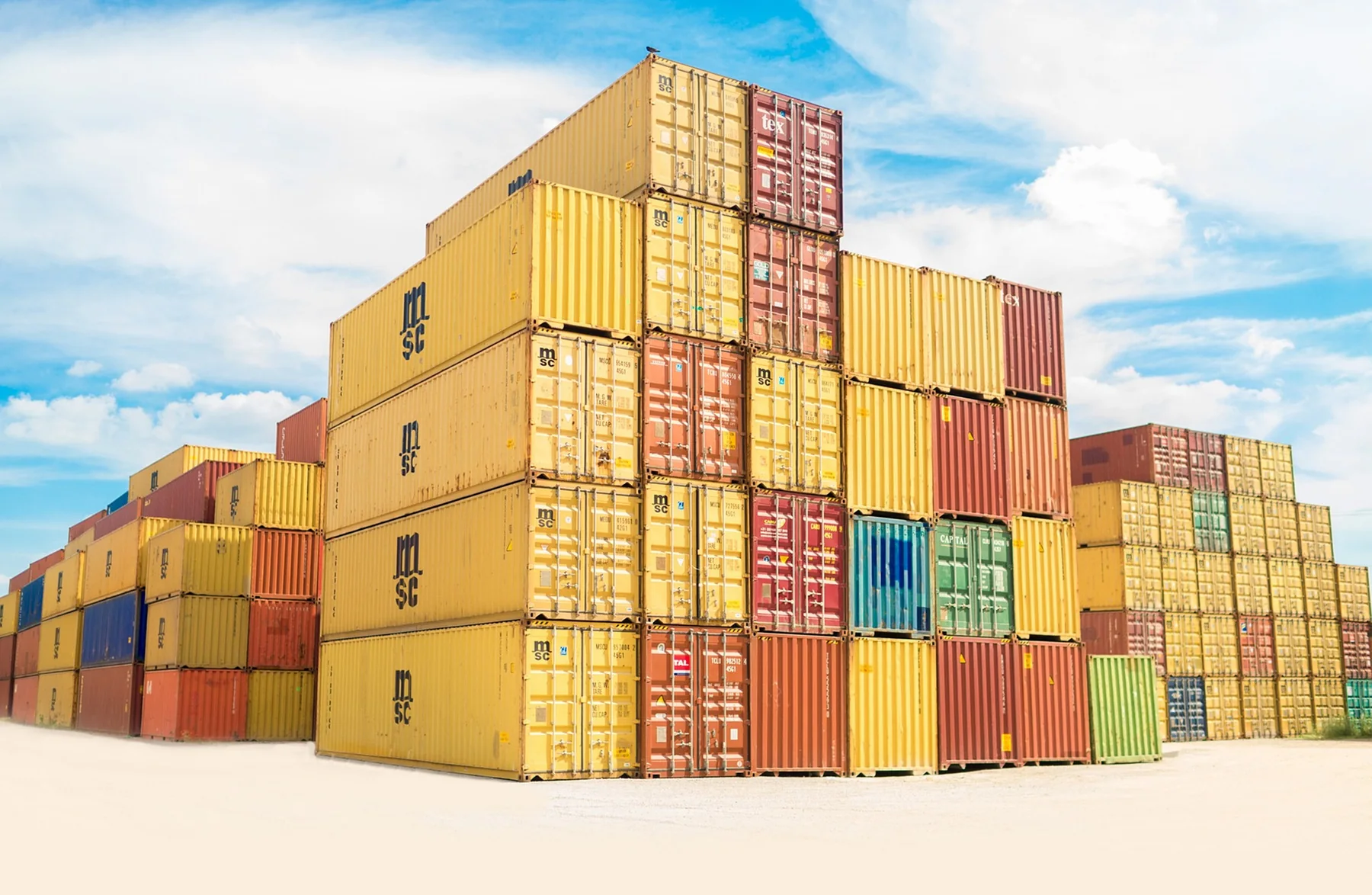
Category covers and course photos are illustrative licensed photographs, not AIGreen Plus staff, facilities or client results. Required creator and licence credits appear with each course photograph.
The matrix separates the three linked lenses a Malaysian exporter should review before sharing product information.
| Decision / evidence | Product pathwayWhat is being shipped | Evidence trailWhat supports the data | Role and reviewWho checks and acts |
|---|---|---|---|
| Product identity | Description, variant and route | Source records and period | Product or trade owner |
| Emissions information | Process and electricity inputs | Method, units and assumptions | Technical reviewer and escalation |
| Upstream inputs | Precursor and supplier links | Supplier evidence and gaps | Procurement and production owners |
| Response readiness | Destination and customer request | Versioned evidence index | Importer or adviser coordination |
This comparison is a learning aid; it does not determine product coverage, customs classification, verification status or any current legal obligation. Course content is educational; verify current requirements against the linked official sources and the organisation's circumstances.
This course teaches Malaysian manufacturing owners and cross-functional teams how to read CBAM concepts, screen an EU-bound product pathway, identify relevant product and customs information, organise direct and indirect embedded-emissions evidence, and coordinate with EU customers or importers. Participants practise a traceability pack, data-request checklist and issue log. It supports preparedness learning; applicability, current rules and formal compliance decisions require confirmation with the appropriate qualified advisers.
Map an EU-bound product's customs, production-route and customer-information pathway, clearly identifying which facts are known, which records are missing and who should confirm each item.
Build a structured evidence register for production quantities, energy inputs, direct and indirect emissions information, precursor links, calculation methods, periods, units and responsible data owners.
Review a fictional embedded-emissions pack for traceability, completeness, assumptions and version control, then record clarification questions for follow-up without presenting estimates as verified compliance data.
Draft a proportionate export-readiness action plan that separates manufacturer support from importer duties and flags where current official rules or qualified advice must be checked.
A fictional Malaysian metal-parts factory receives an EU buyer questionnaire. Learners map the product description, shipment route, production line, electricity records and precursor inputs, then build an evidence index. They mark unknown customs details and importer responsibilities as open questions, avoiding a claim that the shipment is or is not covered.
A sanitised worksheet for a fictional aluminium component shows production output, electricity use, process inputs and an emissions factor. Teams check units, periods, source notes and calculation boundaries, compare the stated method with supporting records, and log clarification requests instead of treating the worksheet as verified.
A fictional factory prepares for a customer call after receiving incomplete supplier data. Participants draft a concise request, define the minimum evidence to seek, protect confidential information, assign an internal reviewer, document the review route and prepare an escalation note for current legal or customs questions.
This is a fictional learning example, not client results.
Stated basis: Same 100-field fictional CBAM evidence checklist reviewed before and after a mock clarification round · 64 ÷ 100 and 80 ÷ 100.
Absolute difference: 16 percentage points. This is a comparison of the stated exercise values, not proof of improvement.
The renderer compares checklist completeness for the same fictional scope; it shows an evidence-availability scenario, not emissions performance, compliance or a training result.
Not a measure of carbon reduction, cost savings, legal compliance, product coverage, verification, certification, assurance or financing eligibility.
Final depth, exercises and delivery details are confirmed with AIGreen Plus before delivery.
On a small screen, scroll horizontally inside the course-outline table.
| Module | Focus | Key points | Practice |
|---|---|---|---|
| 01CBAM Concepts and Compliance Roles | Introduce the mechanism's carbon-leakage rationale, key actors and information flow while distinguishing manufacturer evidence support from the EU importer's formal responsibilities. |
| Draw a fictional Malaysian factory-to-EU shipment pathway, label producer, importer, customs and verifier touchpoints, and note questions requiring official confirmation. |
| 02Product and Customs Applicability | Practise a screening conversation around product descriptions, customs classifications, destination, quantities and transaction roles without declaring legal applicability from a classroom exercise. |
| Screen three fictional metal-component product cards against an internal question set, recording evidence, unknowns and an adviser referral rather than a final legal conclusion. |
| 03Embedded Emissions Data Map | Build a product-level map of direct and indirect embedded-emissions information, source records, reporting periods, units, boundaries and documented data owners. |
| Create a data map for a fictional steel-part line, linking meter records, production output, precursor information, calculation notes and named owners. |
| 04Supplier and Precursor Evidence | Explore how upstream precursor information, supplier responses and production-route detail affect a defensible evidence trail for a complex manufactured good. |
| Review a fictional component supplier response, compare it with purchase and production records, and prepare clarification questions without inventing missing emissions data. |
| 05Calculation Methods and Data Quality | Practise reading an emissions worksheet, checking units, boundaries, formulas, significant inputs and documented, traceable default or actual-data labels before escalation. |
| Carefully audit a sanitised worksheet for a mock aluminium product, flagging unit mismatches, unexplained factors, missing sources and version-control issues. |
| 06Customer, Importer and Verifier Coordination | Prepare clear data requests and response packs that help EU-facing customers or importers review information while preserving confidentiality and role boundaries. |
| Draft a fictional customer data pack cover note, evidence index and clarification log for an EU buyer requesting product emissions information. |
| 07Internal Controls and Export Readiness | Turn scattered records into a repeatable, controlled readiness process with ownership, approvals, change control, retention and escalation for unresolved questions. |
| Build an internal readiness board for a fictional factory, assigning owners and review gates to product, energy, supplier and customer records. |
| 08Communication, Limits and Next Actions | Convert learning into an honest management brief that distinguishes evidence, estimates, plans, legal advice, formal verification and unresolved applicability questions. |
| Rewrite a fictional exporter statement so it identifies scope, evidence status, assumptions, customer coordination needs and the next approval step. |
This proposed course uses factory records, role-based exercises and evidence checks to make CBAM readiness concepts concrete; it describes course design, not proven superiority or guaranteed compliance outcomes.
| Focus | Proposed approach | Factory relevance |
|---|---|---|
| Product-to-data traceability | Learners connect product descriptions, production routes, energy records and supplier inputs in one evidence map. | Teams can see where an EU customer request depends on information that the factory must locate or clarify. |
| Role boundary discipline | Exercises label manufacturer, exporter, importer, customs and verifier touchpoints before an action is assigned. | Participants avoid presenting exporter support as an importer filing duty or an informal check as formal verification. |
| Evidence before assertion | Data cards record source, period, unit, method, owner, assumptions and open questions before a response is drafted. | Managers can distinguish usable evidence from estimates, gaps and statements needing qualified review. |
| Sanitised factory practice | Fictional shipment, supplier and production cases are used alongside approved records where appropriate. | Teams can practise without exposing commercially sensitive product, customer or personal information. |
CBAM is an EU policy mechanism intended to reflect embedded carbon in certain imported goods. A Malaysian manufacturer may need to provide product and production information to an EU customer or importer, but the course does not decide applicability or replace current official guidance and qualified advice.
Not automatically. The course separates the manufacturer's role in producing and sharing evidence from the EU importer's or other responsible party's duties. The actual role, authorisation, reporting and customs position depend on the transaction and current rules, so confirm them with the relevant importer and qualified adviser.
Useful practice records include product descriptions, production quantities, process and electricity data, relevant precursor information, calculation methods, periods, units, sources, owners and change notes. Use approved, anonymised or sanitised records; the final evidence request should be tailored to the product and current official requirements.
For learning purposes, embedded emissions are emissions associated with producing the imported good, including direct production-related information and, where relevant, indirect electricity-related information. The applicable calculation method and required data depend on current rules and product circumstances, so participants practise traceability rather than assert a final value.
A corporate GHG inventory describes an organisation's emissions across defined organisational and operational boundaries. CBAM exercises focus on product-linked information for an import pathway. They may use related activity data, but a corporate inventory is not automatically a complete product evidence pack or a CBAM determination.
A supplier may be asked for information where upstream inputs affect the product evidence trail. Participants practise identifying relevant precursors, requesting method and source details, and logging gaps. Whether a particular input or data item is required must be checked against the current product-specific rules and transaction context.
No. The course uses simple evidence-completeness exercises and does not calculate certificates, prices, taxes, payments or filing duties. It helps participants understand information flows and questions to escalate. Any commercial or legal assessment should use current official materials and advice from appropriately qualified professionals.
No. A course exercise is an educational review of traceability, units, sources and assumptions. It is not independent verification, validation, certification, assurance, a site audit or a regulatory submission. Formal review requirements, if applicable, must be confirmed under the current official framework.
Only where the organisation approves its use and confidentiality controls are in place. Sanitised or fictional examples are suitable. Remove personal, proprietary and commercially sensitive details from practice materials, and do not send course worksheets to customers or authorities as if they were formal submissions.
Ask about the current syllabus, delivery format, duration, fees, participant roles, product examples and preparation requirements. The draft does not fix those arrangements. Also ask which official sources and qualified advisers should be consulted for your product pathway and current export-compliance questions.
Carbon Border Adjustment Mechanism (CBAM) and Export Compliance — proposed practice flow; people remain responsible for evidence, decisions and any operational change.
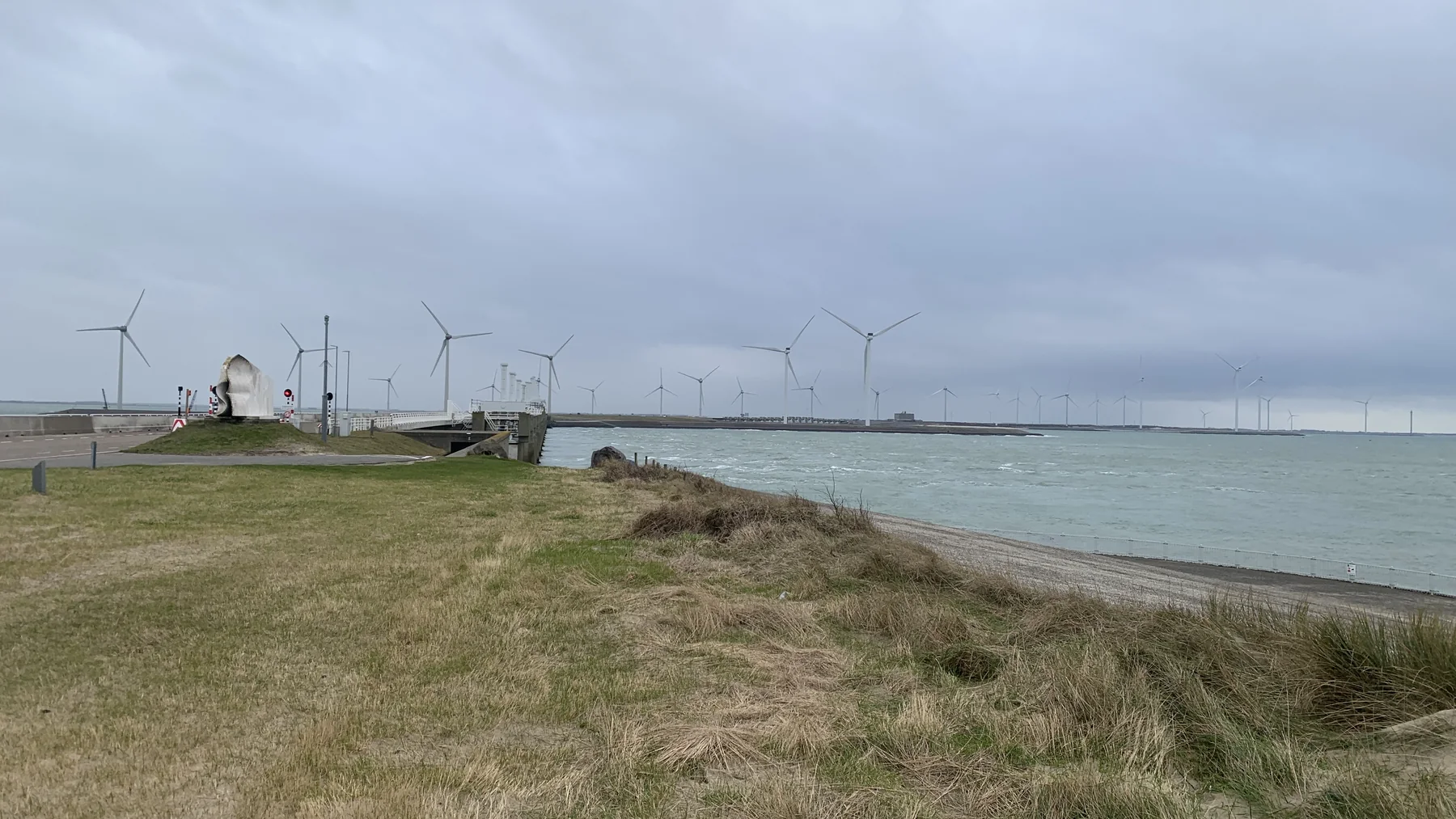 Photo: Klankbeeld · Creative Commons Attribution 4.0 International (CC BY 4.0) · Image resized and converted to WebP.
Frame the fictional or approved product, destination, route and customer question before gathering evidence.
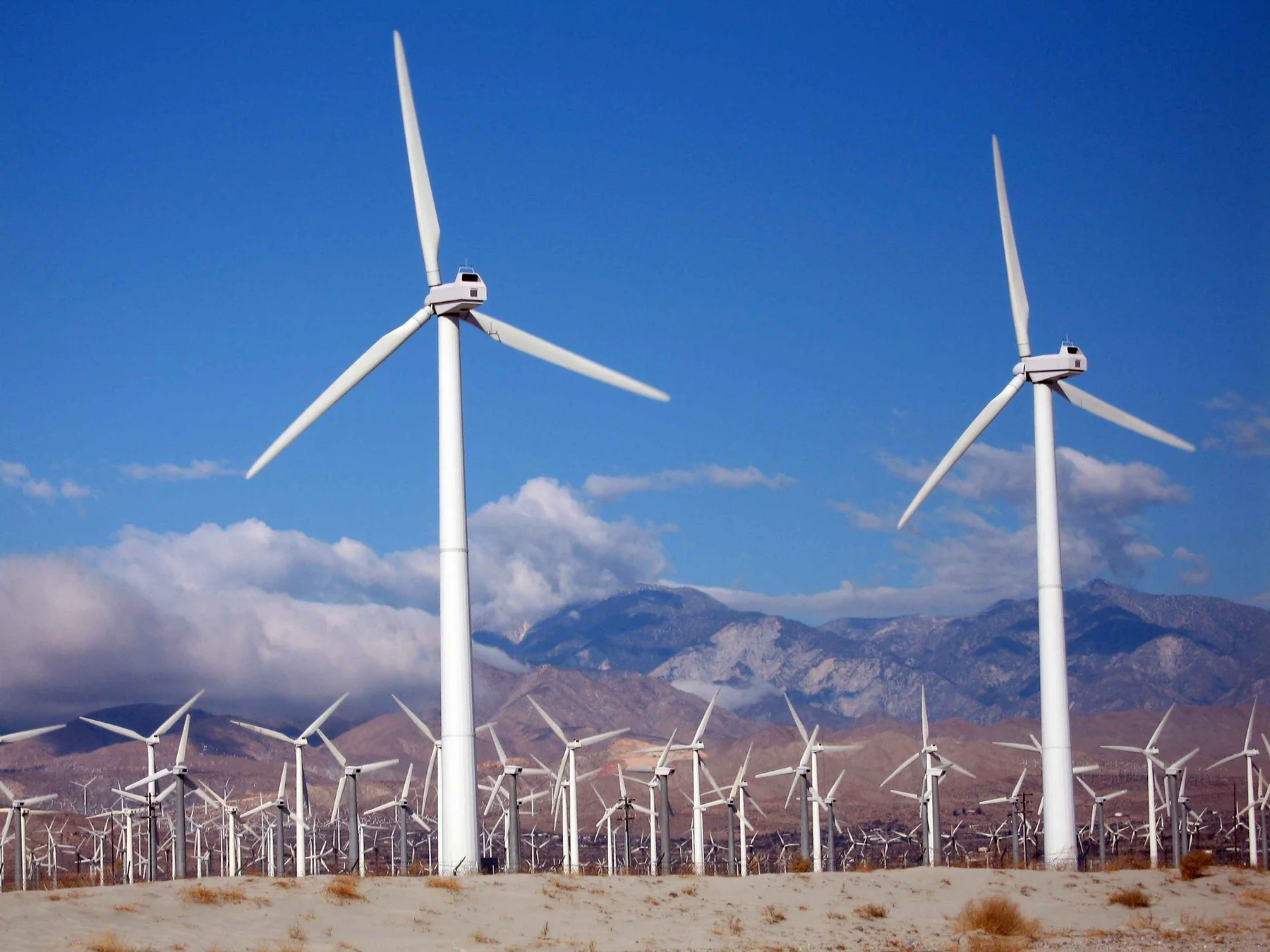 Photo: Winchell Joshua, U.S. Fish and Wildlife Service · Public domain (PD-USGov-FWS) · Image resized and converted to WebP.
Connect production, energy, precursor and shipment records to the information request.
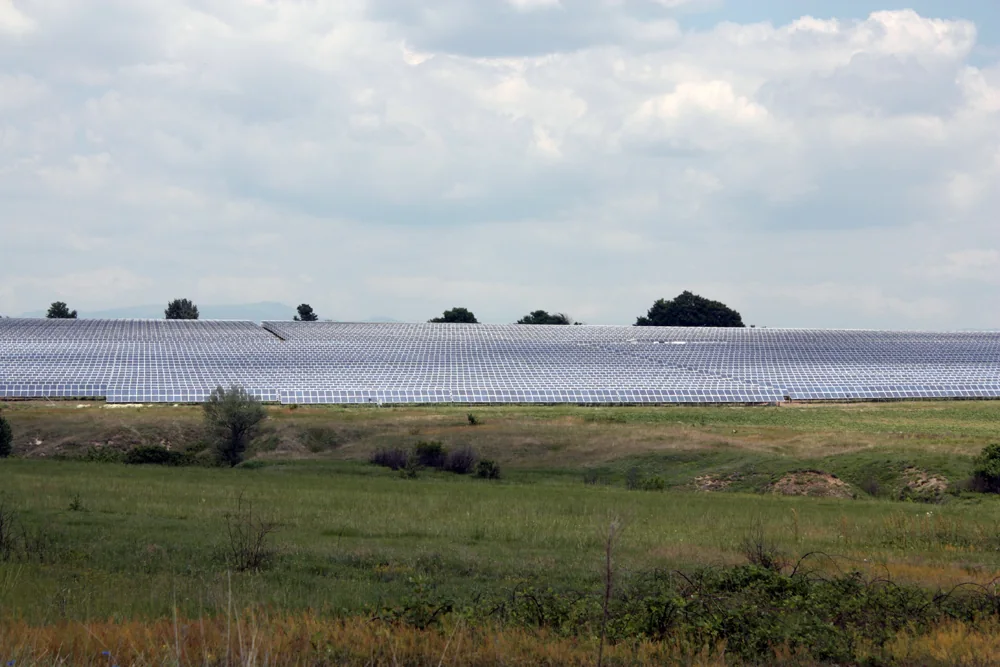 Photo: Edal Anton Lefterov · Creative Commons Attribution-ShareAlike 3.0 Unported (CC BY-SA 3.0) · Image resized and converted to WebP; this adaptation is shared under CC BY-SA 3.0.
Inspect boundaries, methods, assumptions and gaps without treating classroom checks as verification.
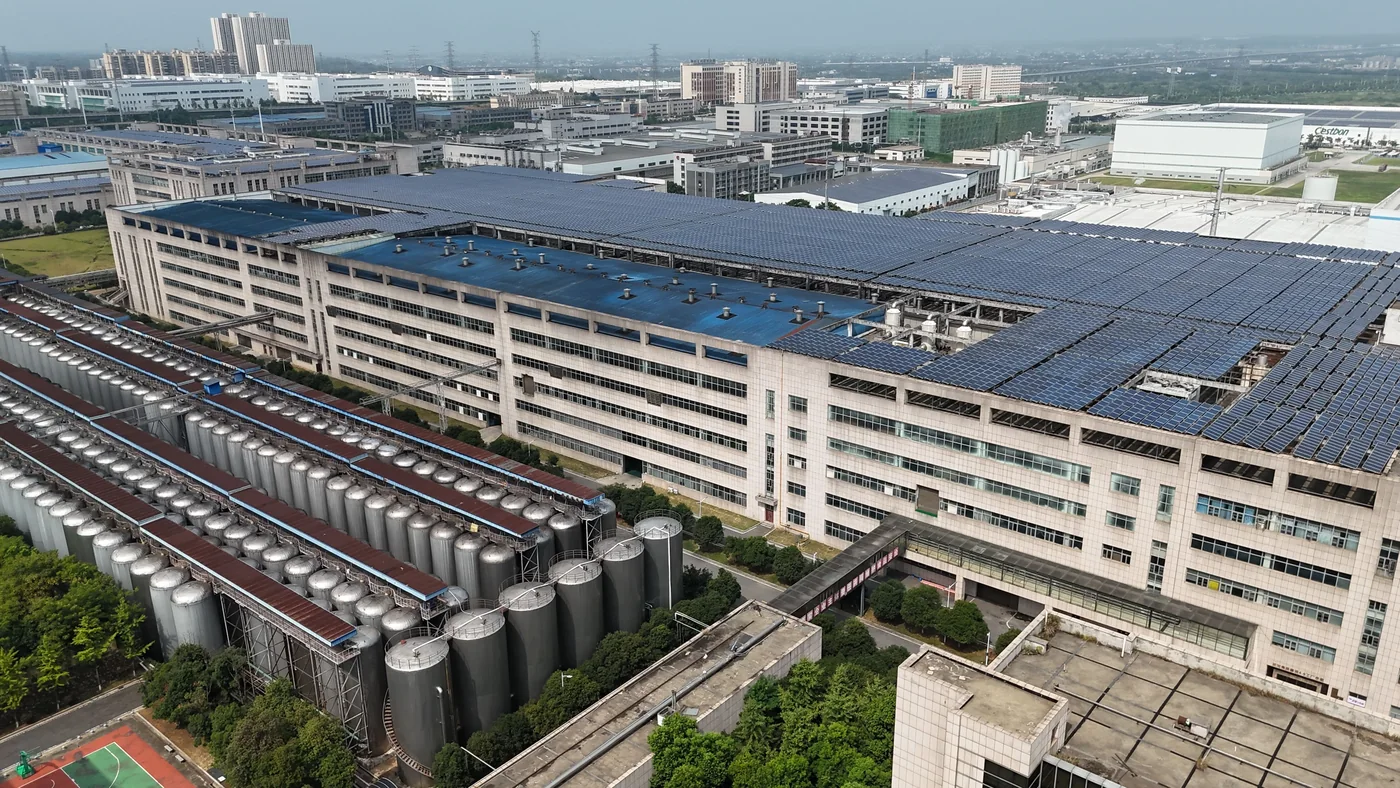 Photo: CHINA YU · Pexels License · Image resized and converted to WebP.
Clarify information hand-offs among factory teams, EU customers, importers and qualified advisers.
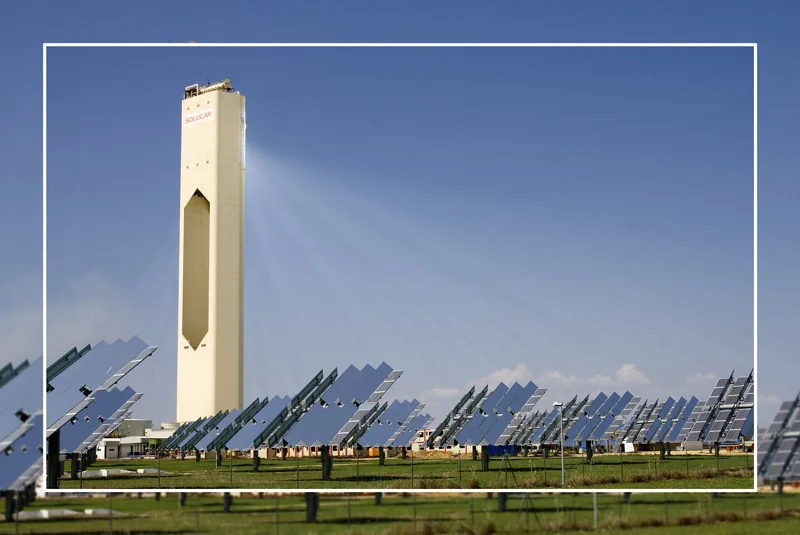 Photo: afloresm · Creative Commons Attribution 2.0 Generic (CC BY 2.0) · Image resized and converted to WebP.
Turn open questions into a proportionate readiness plan with review dates and current-source checks.
Human review: Not a measure of carbon reduction, cost savings, legal compliance, product coverage, verification, certification, assurance or financing eligibility.
Confirm the final syllabus, duration, dates, format and fees for your manufacturing team.
