For manufacturers in MalaysiaPractical AI. More capable teams. Thoughtful sustainability.
DESIGN A / AQUA MATRIX / ESG TRAINING MALAYSIA

Carbon Tax, Carbon Credits & Carbon Markets

Voluntary Carbon Markets and Carbon Credit Trading

An applied introduction to how voluntary carbon markets function and how Malaysian manufacturing SMEs can evaluate, document and govern carbon-credit choices. Participants follow a credit from project evidence and registry records through screening, purchase, retirement and carefully bounded communication, while keeping operational emissions reduction, market participation and public claims distinct.

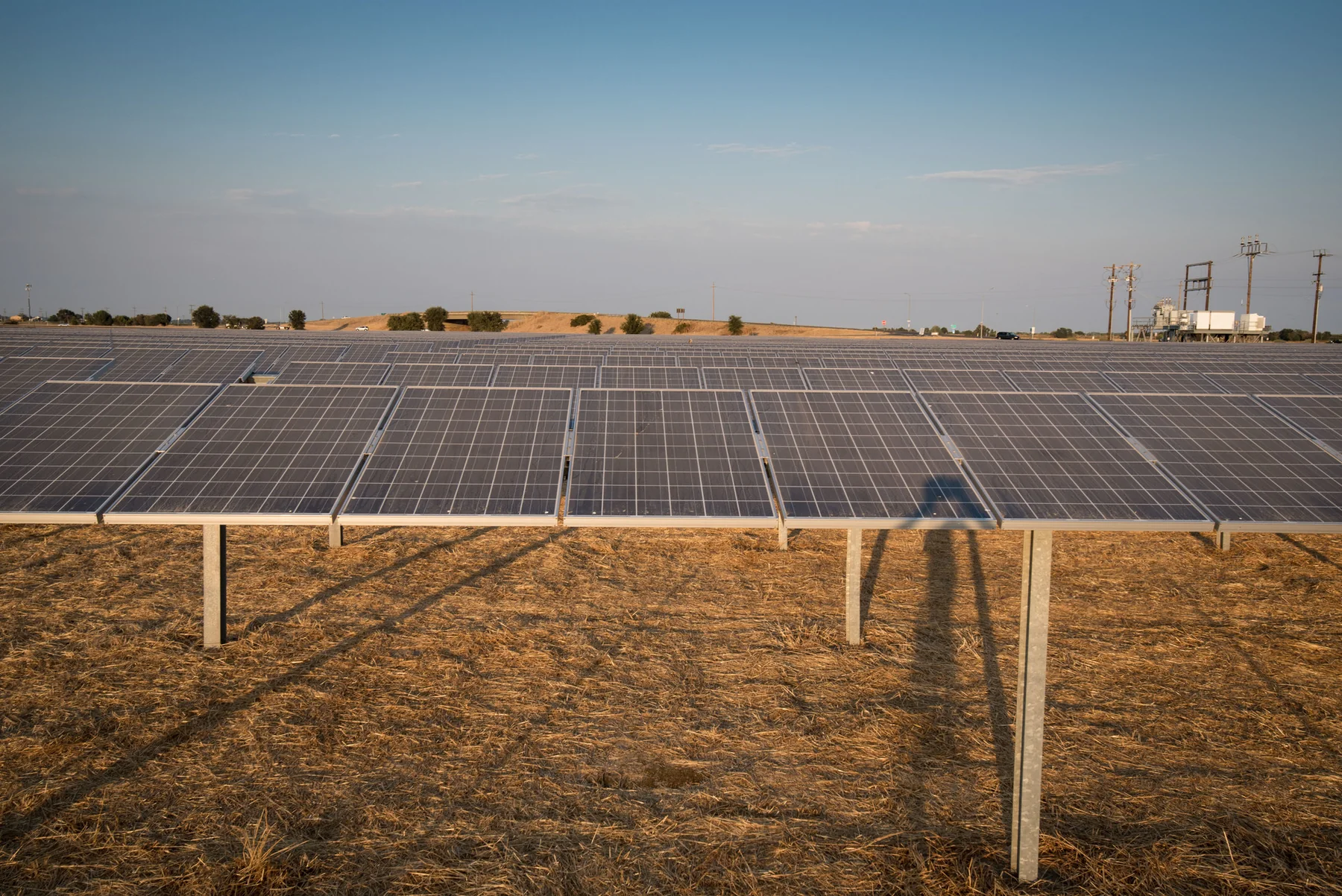
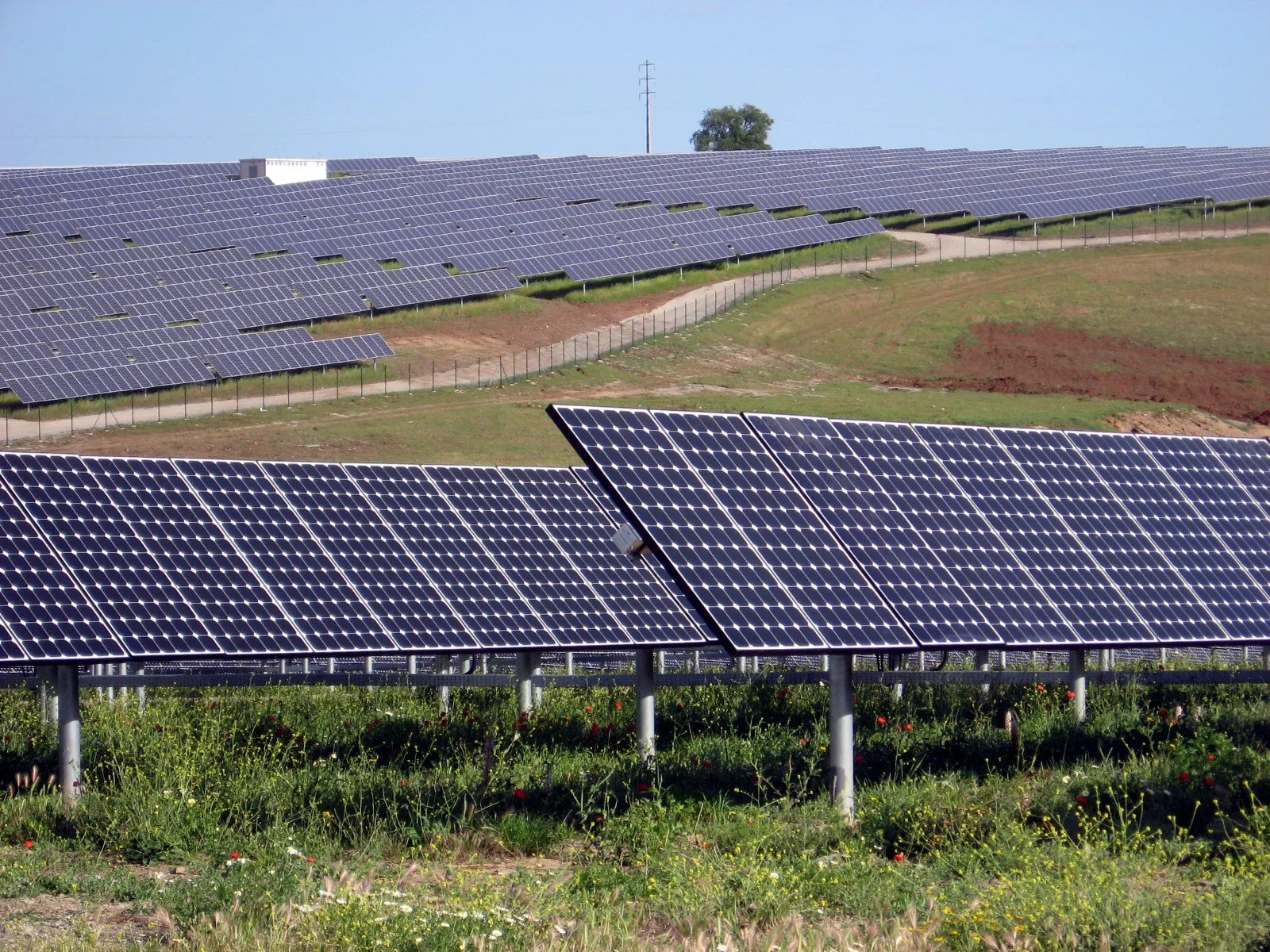
Rows of dark photovoltaic solar panels forming a large power station across an open landscape under a pale sky.
Photo: Chris Allan; U.S. Department of Energy · Public domain (U.S. Department of Energy government work) · Image resized and converted to WebP.Illustrative stock photograph; not AIGreen Plus staff, facilities or client results.Illustrative photograph; not AIGreen Plus staff, facilities or client results.

Category covers and course photos are illustrative licensed photographs, not AIGreen Plus staff, facilities or client results. Required creator and licence credits appear with each course photograph.

E EnvironmentS PeopleG Accountability
AQUA MATRIX / TOPIC-SPECIFIC COMPARISON

Which carbon-market decision are we making?

The matrix separates the company's purpose, the credit evidence and the communication gate so a voluntary purchase is not confused with a factory reduction or legal compliance.

Voluntary carbon-credit decision lenses
Decision / evidencePurposeWhy the organisation is considering a creditCredit evidenceWhat the project and registry record showClaim gateWhat can be said after review
Primary actionReduce factory emissions first; document residual purposeCheck project methodology, monitoring and registry statusAvoid wording that says the credit lowered factory inventory
Market routeVoluntary purchase or retirement; no automatic legal dutyConfirm program, serials, vintage, ownership and statusState scope and timing; do not imply compliance
Integrity questionsSet screening criteria before seller engagementTest quantification, additionality, permanence, safeguards and double countingEscalate unresolved concerns before approval
Record to retainPurpose note, owner, approval and review dateSeller pack, verification evidence, transaction and retirement recordsApproved wording, evidence link and update trigger

A voluntary purchase or retirement does not by itself prove that a company's gross emissions fell or establish legal compliance; confirm claims and current Malaysian requirements separately with an appropriate qualified person. Course content is educational; verify current requirements against the linked official sources and the organisation's circumstances.

DIRECT ANSWER / BUSINESS LEADERS

See the issue. Find the evidence.

This course teaches Malaysian manufacturing SME owners and cross-functional teams how a voluntary carbon market differs from compliance mechanisms, how credits are issued, tracked, screened, traded and retired, and how evidence supports responsible decisions. Participants practise a buyer due-diligence checklist, a registry-record review, an internal approval note and a bounded communication draft. It is an educational course, not investment advice, transaction execution, assurance, certification, legal advice or a promise of carbon-credit eligibility.

PRACTICAL LEARNING OBJECTIVES

What participants can practise.

01

Map the credit lifecycle

Map the voluntary carbon-market lifecycle from project documentation and issuance through registry transfer, retirement and records needed for an internal review using a fictional manufacturing case and clearly marked assumptions.

02

Screen credit integrity

Apply a practical screening checklist to project quality, additionality, permanence, quantification, safeguards, tracking and double-counting questions before a credit decision without substituting training for independent due diligence.

03

Separate reductions and credits

Separate factory emissions-reduction planning from credit purchases, retirements and public claims, then record boundaries, owners, approvals and evidence gaps for later qualified review.

04

Prepare a decision pack

Prepare a proportionate internal decision pack documenting purpose, unit, project, registry, price information, retirement intent and communication controls without promising returns or compliance.

FACTORY-RELEVANT APPLICATION

Apply the concept to a manufacturing question.

Forest project evidence screen

In a fictional Malaysian precision-parts factory, a team receives a seller pack for a forest-removal credit batch. Learners trace the project methodology, monitoring report, verification statement, registry serial range and retirement status. They mark missing evidence, distinguish project claims from factory inventory data, and prepare questions for a qualified reviewer without approving a purchase.

Comparing hypothetical offers

An anonymised packaging manufacturer compares two hypothetical offers with different project types, vintages, registry records, safeguards and price bases. Participants use a scoring sheet to record purpose, unit, ownership, counterparty information, reversal risk, double-counting questions and unresolved assumptions. The exercise ends with an internal hold, proceed-to-review or reject-for-more-evidence recommendation, not a trade.

Retirement and claim wording

A fictional electronics assembler has reduced energy use but wants a public climate statement after retiring credits from a separate project. Learners map the statement's scope, link it to retirement evidence, identify wording that could imply inventory reduction, and draft a narrower approval note that separates factory action, project support and remaining uncertainty.

FICTIONAL LEARNING EXAMPLE / NOT CUSTOMER RESULTS

Mock registry screening completeness

This is a fictional learning example, not client results. Participants compare how many required evidence fields have been reviewed in a hypothetical credit-screening file.

BASELINE / CASE A60%of reviewed set
COMPARISON / CASE B80%of reviewed set

Stated basis: Ten required evidence fields for both reviews of a fictional factory credit file · 6 ÷ 10 and 8 ÷ 10.

Absolute difference: 20 percentage points. This is a comparison of the stated exercise values, not proof of improvement.

  • The checklist contains ten defined fields covering project, registry, integrity and claim evidence.
  • Each field is counted once when a reviewer records a source or clearly marks it unresolved.

The simple comparison shows a change in reviewed evidence coverage within the hypothetical checklist; it does not measure credit quality, emissions performance or a market outcome.

This exercise does not establish credit quality, carbon reductions, compliance, certification, assurance or financing eligibility.

Educational source notes
  • Paris Agreement Crediting Mechanism — Official UNFCCC explanation of Article 6 cooperation, transfer of carbon credits, the Paris Agreement Crediting Mechanism, activity processes and registry concepts; used for educational distinctions from voluntary company market activity, not as a legal applicability determination.
  • The Core Carbon Principles — Official ICVCM educational benchmark describing governance, tracking, transparency, independent validation and verification, additionality, permanence, quantification, no double-counting, safeguards and net-zero transition; used as a screening lens, not a certification or endorsement.
SELECTED OUTLINE B / EIGHT PROPOSED MODULES

A clear learning route.

Final depth, exercises and delivery details are confirmed with AIGreen Plus before delivery.

On a small screen, scroll horizontally inside the course-outline table.

Voluntary Carbon Markets and Carbon Credit Trading — proposed course outline
ModuleFocusKey pointsPractice
01Voluntary and Compliance Markets

Compare voluntary participation with compliance mechanisms, national targets and internal emissions-reduction work using a simple Malaysian manufacturing SME decision map.

  • Define voluntary purchasing, secondary trading and retirement in plain language.
  • Treat compliance obligations as separate legal and applicability questions.
  • Map decisions to factory climate goals and evidence.

Classify four fictional factory scenarios as reduction activity, voluntary purchase, compliance mechanism or unsupported claim, then record the evidence needed for each classification.

02Credit Lifecycle and Registry Records

Trace how project design, methodology, validation, verification, issuance, registry transfer and retirement create an evidence trail for a hypothetical credit.

  • Separate project design from issued credit records and claims.
  • Distinguish project validation, emissions verification and certification language.
  • Check serial numbers, status, vintage and retirement entries.

Annotate a fictional registry extract and project file, matching each lifecycle event to its owner, evidence document, status and unresolved question.

03Integrity and Project Quality

Use integrity criteria to question whether a project's quantified reductions or removals are additional, durable, transparent and protected against double counting.

  • Ask how baseline and additionality are established.
  • Review permanence risks, reversals and safeguards with response measures.
  • Check the quantification method, boundaries, assumptions and uncertainty.

Compare two fictional project summaries, flagging differences in additionality, reversal treatment, quantification, safeguards and double-counting controls before scoring evidence quality.

04Buyer Due Diligence

Practise buyer due diligence linking project documents, registry data, seller information and internal approval criteria before any hypothetical purchase.

  • Define purpose, geography, project type and unit.
  • Request accessible methodology, monitoring and verification evidence before review.
  • Escalate unclear ownership, status or claim language.

Complete a buyer-screening card for a sanitised factory scenario, separating verified evidence, seller assertions, missing documents, decision owners and escalation questions.

05Trading Pathways and Records

Explore trading pathways, counterparties, quoted prices and transaction records without forecasting returns or recommending a live carbon-credit trade in a controlled classroom scenario.

  • Compare direct purchase, brokered and exchange-like pathways for learning.
  • Record price basis, fees, terms and delivery status.
  • Spot liquidity, counterparty, reversal and policy uncertainties.

Reconcile two hypothetical offer sheets with different price bases, fees, delivery terms and registry statuses, then list questions before an internal review.

06Retirement and Claim Boundaries

Connect retirement records to claim wording, scope, timing and evidence so a factory does not confuse supporting projects with reducing its own inventory.

  • State whether language describes contribution, support or reduction.
  • Match each statement to a retirement or registry record.
  • Use qualified review for public environmental claims.

Rewrite three fictional factory announcements so each identifies scope, retirement evidence and project support without implying that an external credit changed the factory inventory.

07Governance and Approval Controls

Build governance controls for segregation of duties, conflict checks, approvals, record retention and escalation when evidence or claims remain uncertain.

  • Assign requester, reviewer, approver and record owner.
  • Keep an auditable trail for decisions and changes.
  • Escalate unresolved legal, reputational or safeguarding concerns before proceeding.

Draft a fictional approval workflow showing segregation of duties, conflict checks, evidence retention, escalation triggers and a management decision point.

08Factory Climate Decision Workshop

Integrate market literacy into a factory climate plan that prioritises operational reductions and uses credits only within a documented, reviewed purpose.

  • Set reduction actions before considering credit use.
  • Define decision gates, evidence owners and review dates.
  • Draft a bounded recommendation without executing a transaction.

Use a fictional Malaysian factory case to produce a reduction-first decision note covering purpose, screening result, evidence gaps, approval route and communication boundary.

AIGREEN PLUS / PROPOSED TRAINING APPROACH

How AIGreen Plus's proposed approach fits carbon-market learning

This draft uses factory decision cards, lifecycle tracing and bounded claim exercises. It describes course design, not proven superiority, independent assurance or guaranteed market or climate outcomes; confirm the final scope by enquiry.

Proposed teaching practices and potential manufacturer relevance; not an independently proven superiority claim
FocusProposed approachFactory relevance
Factory decision cardsLearners convert a hypothetical market choice into purpose, evidence, owner, approval and review fields.Small teams can see what must be checked before a market conversation advances.
Lifecycle and registry traceExercises follow a credit from project documentation through issuance, transfer and retirement records.Participants practise asking for traceability rather than treating a seller description as proof.
Integrity lensThe course uses additionality, permanence, quantification, safeguards and double-counting prompts in a compact screen.Manufacturers can organise questions without claiming that classroom screening replaces specialist diligence.
Claim boundary disciplineRetirement evidence is paired with wording tests that separate inventory reductions, project support and voluntary claims.Communications are less likely to imply compliance, certification or a measured factory reduction.
PARTICIPANT READINESS

Bring the relevant people and records.

Relevant roles

  • Manufacturing SME owners deciding whether voluntary carbon-market participation fits a documented climate purpose
  • Sustainability, quality or environmental managers who need a practical credit-screening and evidence process
  • Finance, procurement and operations colleagues reviewing counterparties, records, approvals and transaction information
  • Communications or governance leads responsible for retirement records and careful environmental claim wording

Before training

  • Basic familiarity with the factory's organisational boundary, emissions-reduction priorities and available environmental records
  • Ability to involve operations, sustainability, finance, procurement and management owners in a hypothetical review
  • Permission to use only fictional, anonymised or organisation-approved project and transaction examples during learning
TEN COURSE-SPECIFIC ANSWERS

Questions before you enquire.

01What is a voluntary carbon market?

It is a setting where organisations choose to buy, sell or retire credits outside an automatically imposed compliance obligation. This course treats participation as a governed business decision: clarify purpose, review project and registry evidence, separate factory reductions from credit use, and confirm current requirements before making any public statement.

02How is voluntary trading different from a compliance market?

Voluntary activity is initiated by an organisation's stated purpose, while compliance mechanisms operate under a defined legal or regulatory framework. The distinction does not settle whether a Malaysian business has obligations. Learners map both routes, then flag applicability and claim questions for an appropriate qualified reviewer.

03What does a carbon credit represent?

A credit is a program-defined unit linked to quantified mitigation from a project or activity, with its own methodology, records and status. Learners do not assume that a credit equals a reduction in the buyer's inventory; they check the unit definition, project boundary, issuance record and retirement evidence.

04What should a manufacturing SME review before considering a credit?

Start with purpose and reduction priorities. Then review project type, methodology, baseline and additionality approach, quantification, permanence or reversal treatment, safeguards, registry tracking, ownership, vintage, price basis, counterparties and retirement terms. Record evidence gaps and obtain specialist advice where the documents or intended claim are unclear.

05Are validation, verification and certification the same?

No. The course keeps project validation, emissions or monitoring verification, program labels and any certification language distinct. Their meaning depends on the relevant rules and document. Learners record who performed each activity, what was assessed and which claim the document supports, rather than treating one label as universal proof.

06Does buying or retiring credits reduce our factory emissions?

Not by itself. A credit may relate to mitigation outside the buyer's operations, while an inventory reduction requires measured changes within the stated organisational boundary. The exercises place operational reduction actions first and use retirement records to document a separate market activity, subject to careful claim review.

07What does double counting mean in this context?

Double counting can involve the same mitigation being issued, claimed or used more than once. The course introduces these as separate control questions and asks learners to trace project, registry, ownership and retirement records. It does not determine national accounting treatment or replace a specialist assessment of applicable rules.

08Can we call our products carbon neutral after retiring credits?

Retirement alone does not automatically justify a carbon-neutral or similar claim. Wording needs a defined scope, current evidence, transparent explanation and appropriate review, and may be affected by applicable guidance or law. Learners practise narrower language that distinguishes factory performance, project support and unresolved assumptions.

09Will this course tell us which credit to buy or predict returns?

No. It is educational and does not provide investment recommendations, price forecasts, broker selection, transaction execution, financing promises or eligibility determinations. Participants practise a documented screening and approval process with fictional information. Any live purchase, sale, financial review or legal interpretation requires the organisation's own qualified advisers and approvals.

10What are the dates, duration, format and fees?

Those arrangements are not fixed in this draft. Please enquire with the course number, participant roles, preferred format, scope and learning priorities. Confirm the current syllabus, duration, dates, fees, materials and preparation requirements before planning delivery, and do not send confidential factory or personal information in an enquiry.

DESIGN A / FIVE WORKPLACE STAGES

From course learning to a reviewed next step.

Voluntary Carbon Markets and Carbon Credit Trading — proposed practice flow; people remain responsible for evidence, decisions and any operational change.

  1. 01

    Set Purpose

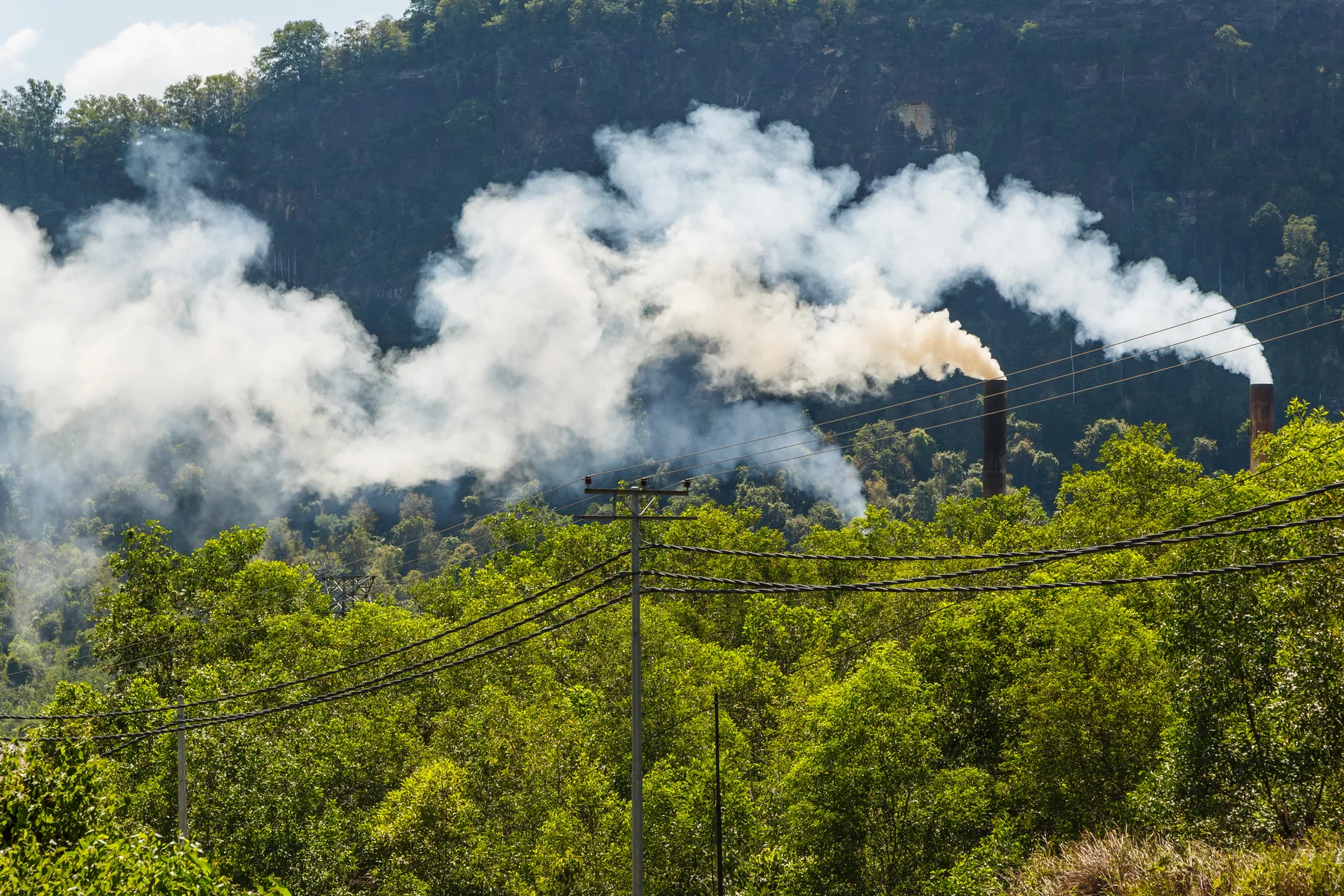
    Landscape photograph of white smoke rising from several biomass power-plant funnels above dense green vegetation, with utility lines across the foreground.Photo: CEphoto, Uwe Aranas · Creative Commons Attribution-ShareAlike 3.0 Unported (CC BY-SA 3.0) · Image resized and converted to WebP; this adaptation is shared under CC BY-SA 3.0.

    Define the hypothetical climate purpose and keep operational reduction planning separate from credit use.

    OWNERSustainability lead
    WORKPLACE CHECKPurpose note names scope, priority and decision boundary.
    STAGE OUTPUTPurpose and boundary card
  2. 02

    Screen Project

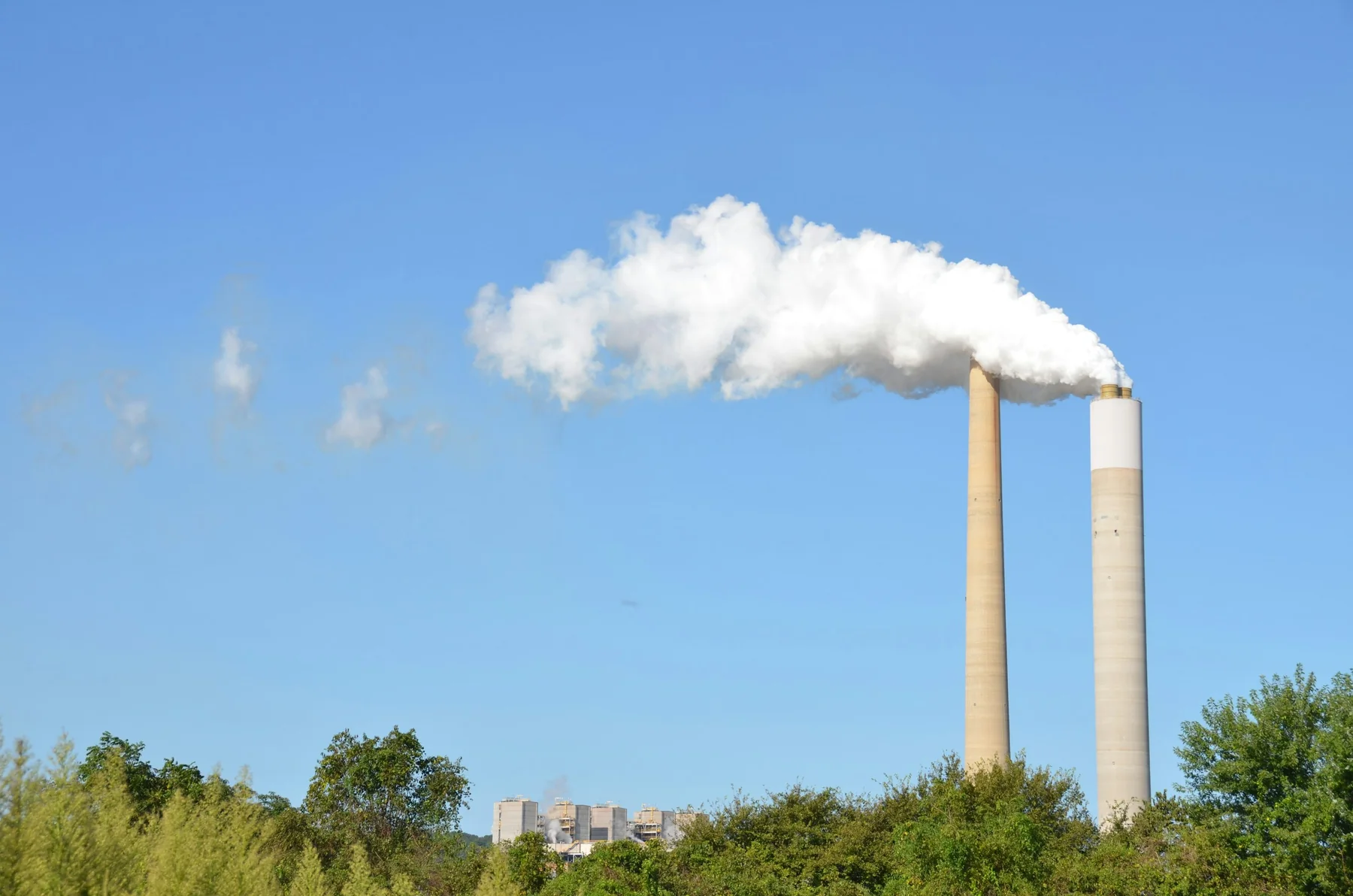
    Two tall industrial smokestacks release white plumes against a clear blue sky.Photo: Roger Starnes Sr (@rstar50) · Unsplash License · Image resized and converted to WebP.

    Apply a first-pass integrity and safeguards screen to the project and credit category.

    OWNERESG or quality reviewer
    WORKPLACE CHECKMethodology, monitoring, verification, registry and safeguard questions are logged.
    STAGE OUTPUTCredit screening sheet
  3. 03

    Check Registry

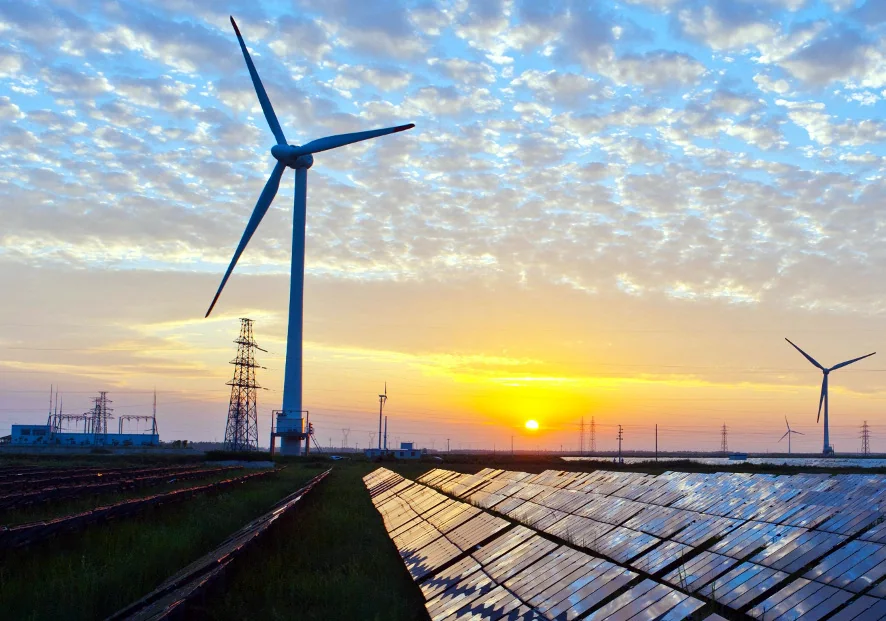
    Landscape photograph showing rows of solar panels in the foreground, wind turbines beyond them, and electricity pylons against a low sun.Photo: Kenueone · Creative Commons CC0 1.0 Universal Public Domain Dedication · Image resized and converted to WebP.

    Trace status, serial records, ownership and retirement conditions before any classroom recommendation.

    OWNERFinance or records owner
    WORKPLACE CHECKRegistry extract matches the proposed lot and its status.
    STAGE OUTPUTRegistry trace
  4. 04

    Approve Internally

    Landscape photograph of a ground-mounted solar power plant with rows of photovoltaic panels across an open field.Photo: Ceinturion (original uploader at English Wikipedia) · Creative Commons Attribution-ShareAlike 3.0 Unported (also listed with GFDL 1.2+) · Image resized and converted to WebP.

    Bring evidence, risks, assumptions and claim intent to a proportionate internal review.

    OWNERManagement sponsor
    WORKPLACE CHECKReviewer and approver are separate; open issues have owners.
    STAGE OUTPUTDecision memo
  5. 05

    Retire and Communicate

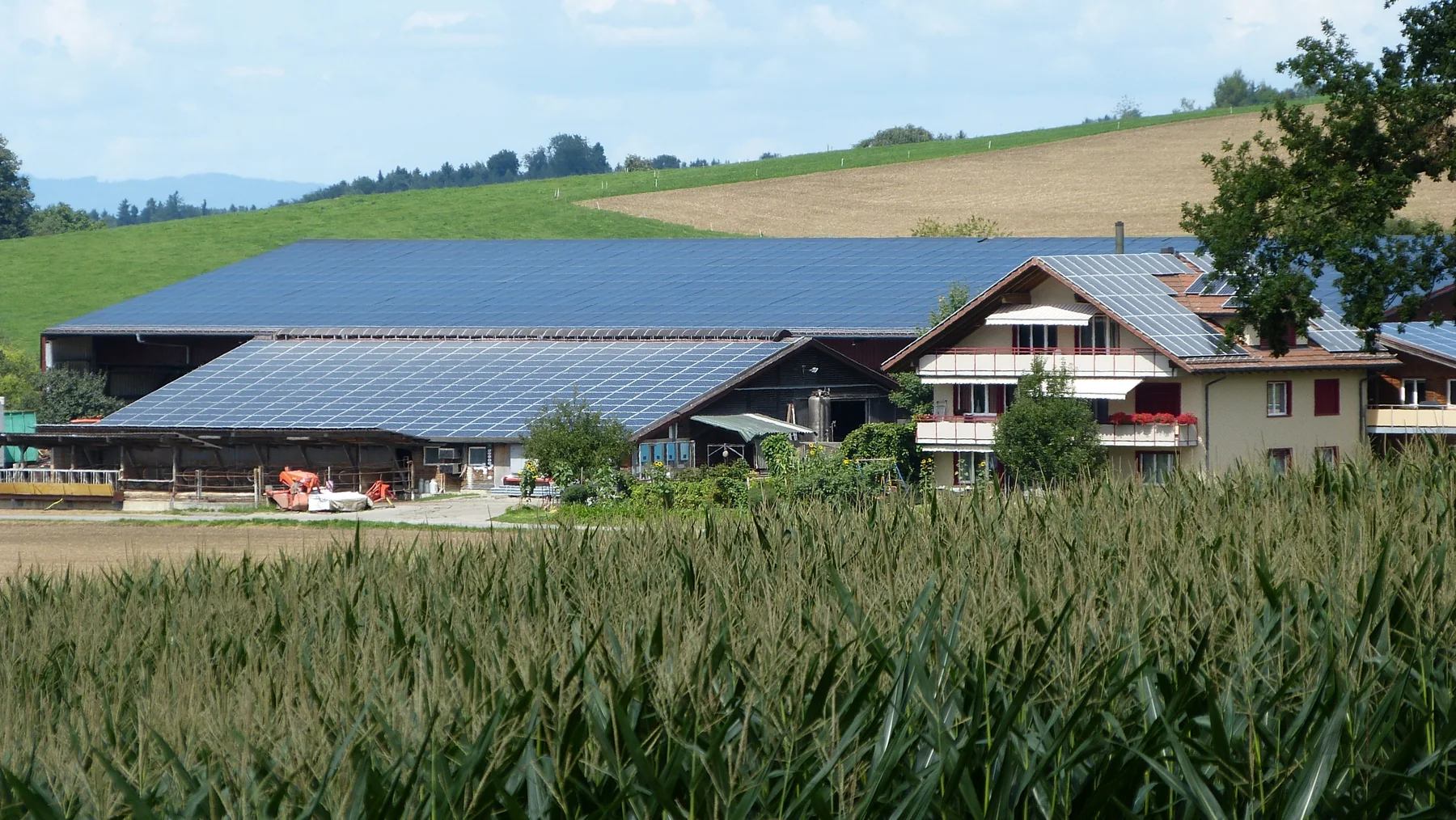
    Rows of dark solar panels cover the roof of farm buildings, with green fields and a wooded horizon beyond.Photo: GabrielleMerk · CC BY-SA 4.0 · Image resized and converted to WebP; this adaptation is shared under CC BY-SA 4.0.

    Practise documenting retirement and drafting bounded language without executing a live transaction.

    OWNERCommunications owner
    WORKPLACE CHECKRetirement evidence, scope and wording are cross-checked before release.
    STAGE OUTPUTRetirement and claim note

Human review: This exercise does not establish credit quality, carbon reductions, compliance, certification, assurance or financing eligibility.

PROPOSED ESG COURSE / ENQUIRE BEFORE BOOKING

Build a practical first ESG plan.

Confirm the final syllabus, duration, dates, format and fees for your manufacturing team.

Discuss ESG training