


Explain the price signal
Describe how a carbon tax creates a price signal, contrast it with an emissions trading system, and identify which policy details must be confirmed before drawing conclusions about a factory.
Carbon Tax, Carbon Credits & Carbon Markets
This course helps Malaysian manufacturing SMEs understand how a carbon tax can create a price signal, which factory activities may be exposed, and how to organise a practical impact assessment. Participants work with fictional fuel, emissions, production, purchasing and evidence records to discuss assumptions, sensitivity, operational priorities and questions for qualified advisers.
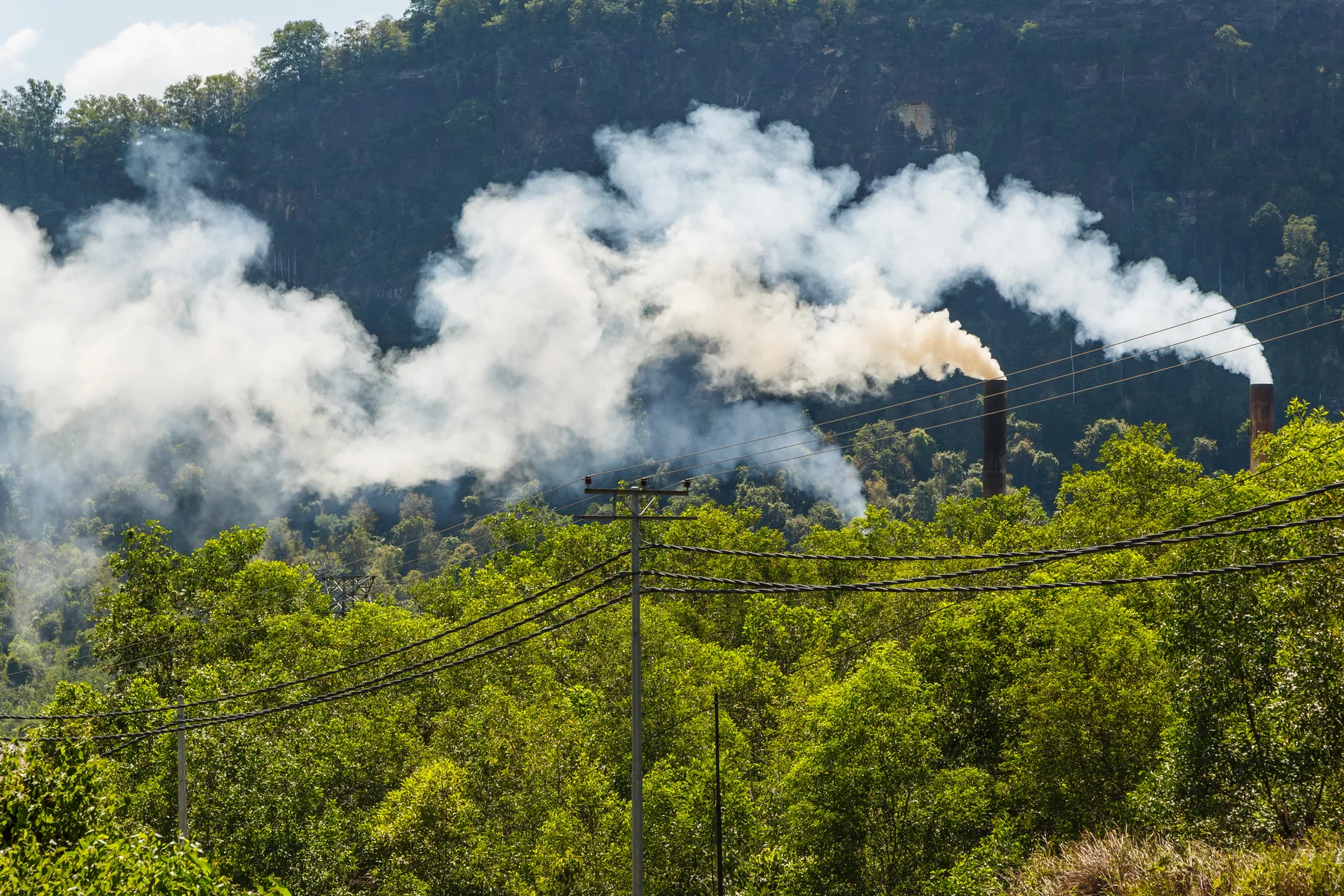
Category covers and course photos are illustrative licensed photographs, not AIGreen Plus staff, facilities or client results. Required creator and licence credits appear with each course photograph.
The matrix keeps policy interpretation, factory evidence and management response distinct while connecting them in one review.
| Decision / evidence | Policy signalWhat the instrument may require | Factory evidenceWhat the site can substantiate | Management responseWhat the team can decide |
|---|---|---|---|
| Boundary | Jurisdiction, sector and covered activity | Fuel, electricity, process and supplier records | Record scope and unresolved questions |
| Price basis | Tax base and rate require confirmation | Units, periods and activity data | Illustrative sensitivity only |
| Responsibility | Potential liable party or reporting interface | Data owner and evidence trail | Escalate tax or legal interpretation |
| Business link | Policy objective and compliance context | Costing, procurement and customer requests | Prioritised evidence and next-step brief |
A training matrix cannot determine Malaysian applicability, tax liability, rates, filing duties or financial impact; confirm current requirements with qualified advisers. Course content is educational; verify current requirements against the linked official sources and the organisation's circumstances.
Carbon Tax Fundamentals and Business Impact Assessment teaches Malaysian manufacturing SME leaders and operations, finance, procurement and sustainability teams how carbon taxes differ from emissions trading, how exposure may flow through fuel, electricity, products and suppliers, and how to document assumptions without inventing a rate. Learners practise a scope-and-evidence map, a simple sensitivity worksheet, a readiness question list and a decision brief. The course is educational training, not tax advice, filing, assurance or a confirmed applicability determination.
Describe how a carbon tax creates a price signal, contrast it with an emissions trading system, and identify which policy details must be confirmed before drawing conclusions about a factory.
Map direct fuel use, purchased electricity, process activity and selected supplier information into an initial exposure register with clear boundaries, data owners and unresolved assumptions.
Use simple hypothetical quantities to compare exposure scenarios, then discuss possible effects on energy choices, product costing, procurement conversations and customer questions without forecasting a tax bill.
Assemble a short evidence checklist and management brief that separates verified records, estimates and questions for qualified tax, legal, accounting or environmental advisers before decisions.
A fictional Penang metal-finishing SME lists natural gas, diesel forklifts, purchased electricity and outsourced heat treatment. Learners assign each activity to a preliminary exposure category, record the invoice or meter evidence available, and note whether the boundary, liable party and treatment of electricity require official confirmation. The exercise stops before applying any real tax rate.
A sanitised Johor electronics assembler receives a customer questionnaire asking about carbon-price exposure. Learners map high-energy components, supplier data gaps and delivery routes, then compare two illustrative procurement scenarios. They label every assumption, avoid claiming a product carbon footprint, and draft three questions for procurement, sales and a qualified adviser.
In a fictional Selangor food plant, teams review six months of fuel, production and utility records. They reconcile one unit mismatch, identify an unassigned data owner and prepare a one-page brief separating confirmed evidence, estimates, policy questions and possible operational responses. The brief is a training output, not a tax filing, assurance conclusion or investment recommendation.
This is a fictional learning example, not client results.
Stated basis: Twelve fuel, electricity and production records expected for the same six-month review · 8 ÷ 12 and 10 ÷ 12.
Absolute difference: 16.67 percentage points. This is a comparison of the stated exercise values, not proof of improvement.
The comparison shows a simple change in evidence completeness within the exercise; it does not estimate carbon-tax liability, emissions reduction, cost savings or compliance status.
Not a carbon-tax rate, tax filing, emissions calculation, assurance or financing eligibility assessment; current Malaysian requirements need qualified confirmation.
Final depth, exercises and delivery details are confirmed with AIGreen Plus before delivery.
On a small screen, scroll horizontally inside the course-outline table.
| Module | Focus | Key points | Practice |
|---|---|---|---|
| 01Carbon tax in context | Define carbon pricing, explain a carbon tax’s price certainty, and distinguish its purpose from emissions trading, offsets, internal prices and ordinary energy taxes. |
| In a fictional Johor metal-parts plant, classify five policy statements as tax, trading system, offset or internal management assumption during class. |
| 02Manufacturing exposure pathways | Trace how a possible carbon price could affect fuels, purchased electricity, process inputs, logistics, suppliers and product conversations through a factory value chain. |
| Using a sanitised electronics assembly flow, mark exposure points from incoming materials to shipped products and note one missing data owner at each step. |
| 03Applicability and boundaries | Build an applicability checklist that tests jurisdiction, sector, fuel, facility, product and reporting questions without presenting current rates, thresholds or coverage as settled. |
| A fictional Selangor plastics maker compares two sites and labels which facts require official confirmation before any carbon-tax conclusion for review. |
| 04Evidence and data readiness | Organise reliable activity data and evidence so an SME can explain what is measured, estimated, missing or independently confirmed during an impact review. |
| Teams inspect a fictional six-month boiler file, identify three inconsistencies, and prepare a traceable evidence log without calculating a tax liability. |
| 05Sensitivity and scenario thinking | Practise transparent sensitivity analysis using hypothetical prices and quantities to show decision ranges, while avoiding invented rates, financial forecasts or claims about future obligations. |
| For a sanitised food processor, compare two illustrative fuel-intensity scenarios and explain which missing record most changes the discussion before deciding. |
| 06Operational and commercial implications | Connect a possible carbon cost signal to energy projects, production choices, procurement, pricing conversations and customer requests without promising savings or competitiveness outcomes. |
| A fictional rubber-products factory ranks three evidence-backed questions for maintenance, procurement and sales before discussing a customer carbon-price questionnaire in workshop. |
| 07Governance and decision brief | Turn the review into a management-ready brief showing scope, evidence quality, scenario limits, responsibilities and questions that require qualified tax or legal review. |
| Participants edit a fictional board note that mixes facts, estimates and opinions, then tag each sentence with an evidence status. |
| 08Readiness practice and next steps | Integrate the assessment into a repeatable readiness cycle with review dates, record improvements, stakeholder dialogue and cautious communication of uncertainty. |
| A fictional precision-machinery SME turns its first assessment into a 90-day evidence plan with five owners and review checkpoints for review. |
This is a proposed course design for practical learning, not a claim of proven superiority or guaranteed results.
| Focus | Proposed approach | Factory relevance |
|---|---|---|
| Factory-first evidence map | Use anonymised fuel, utility, output and supplier records to practise tracing possible carbon-price exposure through a manufacturing process. | Teams can see where a policy question intersects with records they already manage. |
| Policy-versus-assumption discipline | Label confirmed definitions, illustrative scenarios and unanswered Malaysian applicability questions separately in every exercise. | This reduces the risk of treating a training scenario as a current legal or tax conclusion. |
| Cross-functional decision brief | Bring operations, finance, procurement and sustainability perspectives into one short, evidence-linked management worksheet. | SME decisions often depend on shared ownership of data, cost context and customer communication. |
| Sensitivity without false precision | Compare simple hypothetical quantities and clearly stated assumptions instead of inserting a made-up carbon-tax rate or promised financial result. | Learners can discuss uncertainty responsibly before seeking qualified advice. |
A carbon tax is a policy instrument that places a price on specified greenhouse-gas emissions or carbon-containing fuels. It creates price certainty but does not guarantee a particular emissions reduction. The actual tax base, liable party, rate, exemptions and administration depend on the relevant jurisdiction and must be confirmed from current official requirements.
A carbon tax sets a price signal, while an emissions trading system uses tradable allowances within a defined cap. A tax does not guarantee a minimum emissions reduction; trading can provide quantity control but its allowance price can vary. The course compares concepts without deciding which instrument applies to a Malaysian business.
No. It teaches a structured applicability assessment using jurisdiction, sector, fuel, facility, product and evidence questions. It does not determine legal liability, current rates, thresholds, exemptions, filing duties or deadlines. Participants leave with documented questions and should confirm current requirements with an appropriately qualified tax, legal or environmental adviser.
Useful starting records may include fuel invoices and issue logs, electricity bills or meter data, process information, production output, procurement details and relevant supplier or logistics evidence. The exercise records source, period, unit and owner, while separating estimates from reviewed evidence. The right list depends on the assessment boundary.
It could create cost or price-signal questions through covered fuels, electricity, processes, suppliers or logistics, but the effect depends on policy design, data, pass-through, contracts and market conditions. This course uses illustrative sensitivity only and does not forecast a tax bill, savings, margin, prices or competitiveness.
No. An internal carbon price is a management scenario or decision tool, while a public carbon tax is a jurisdiction-specific policy instrument. They should be labelled separately. A hypothetical value can support classroom sensitivity analysis, but it must not be presented as a current Malaysian tax rate or obligation.
A GHG inventory organises an organisation’s emissions within defined scopes and boundaries. A product carbon footprint examines a product’s life-cycle emissions under a stated method and boundary. They answer different questions. This course may use activity records for exposure discussion, but it does not produce an inventory, LCA or product claim.
Do not assume so. Carbon taxes and carbon credits are different policy or market concepts, and any permitted treatment would depend on the applicable instrument and official rules. This course does not recommend offsets, calculate credits or claim eligibility. Participants focus on evidence, exposure questions and direct operational understanding.
A practical group can include an owner or director, operations or energy lead, finance or costing representative, procurement colleague and sustainability or compliance contact. Mixed participation helps connect records with decisions. Participants need not be carbon specialists, but should bring basic site activity knowledge and readiness to label unknowns.
No. It is proposed educational training with fictional exercises and participant work outputs. It is not independent certification, assurance, a site audit, tax advice, a filing service or a determination of funding, finance or carbon-market eligibility. Scope, format, duration and fees should be confirmed directly with AIGreen Plus.
Carbon Tax Fundamentals and Business Impact Assessment — proposed practice flow; people remain responsible for evidence, decisions and any operational change.
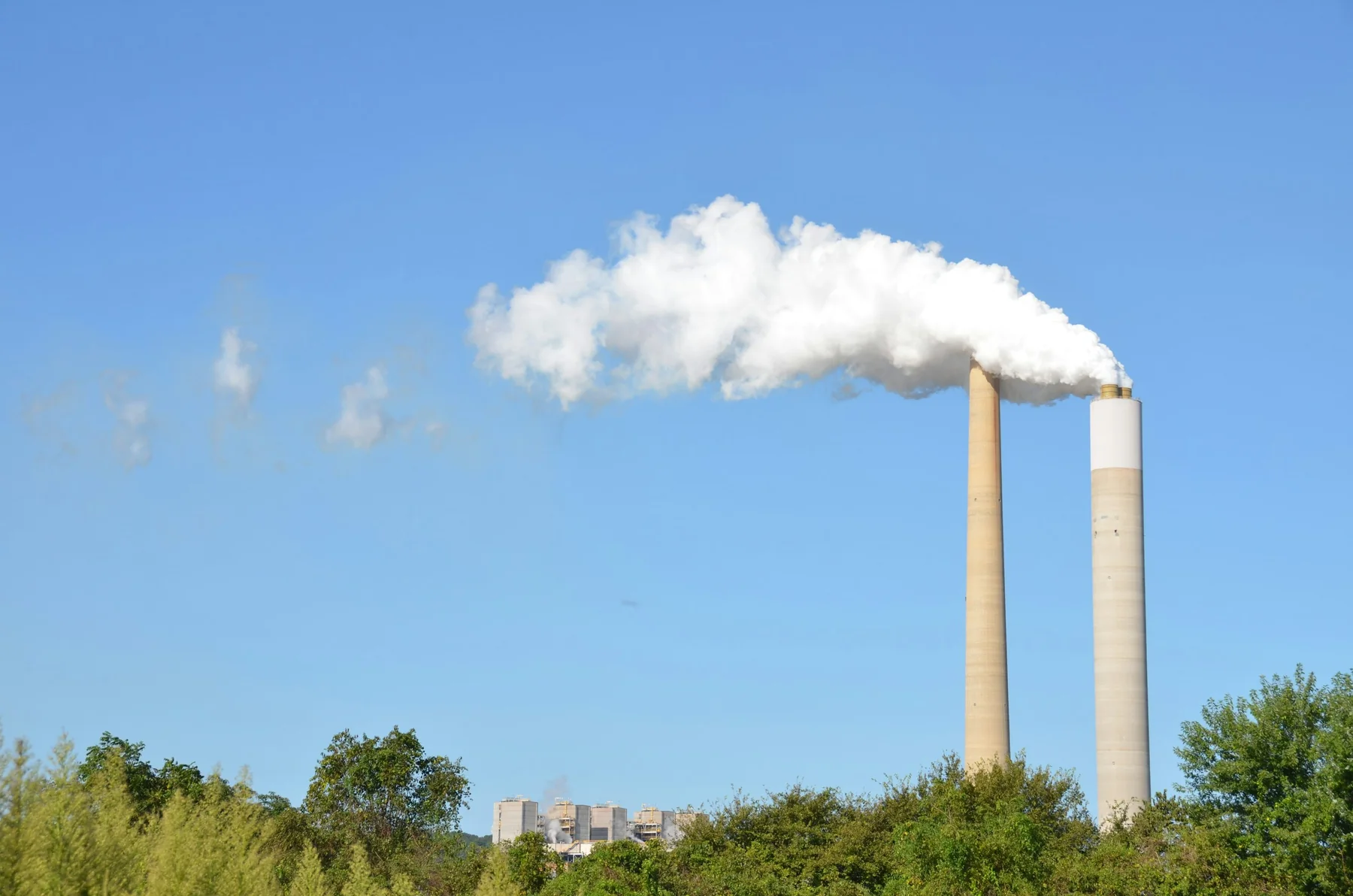 Photo: Roger Starnes Sr (@rstar50) · Unsplash License · Image resized and converted to WebP.
Define the site, activity, jurisdiction and policy questions before reviewing exposure.
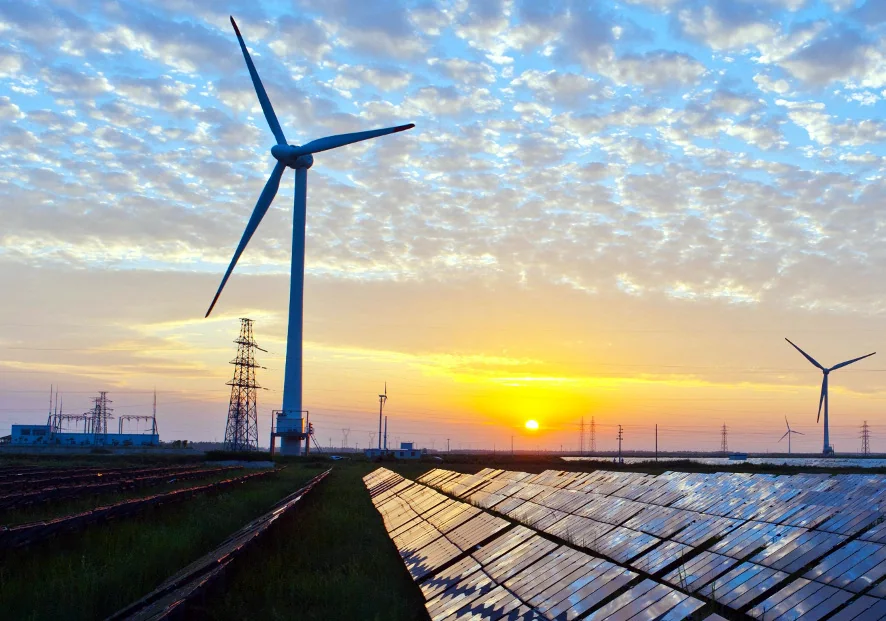 Photo: Kenueone · Creative Commons CC0 1.0 Universal Public Domain Dedication · Image resized and converted to WebP.
Gather traceable records and label estimates, gaps and review status.
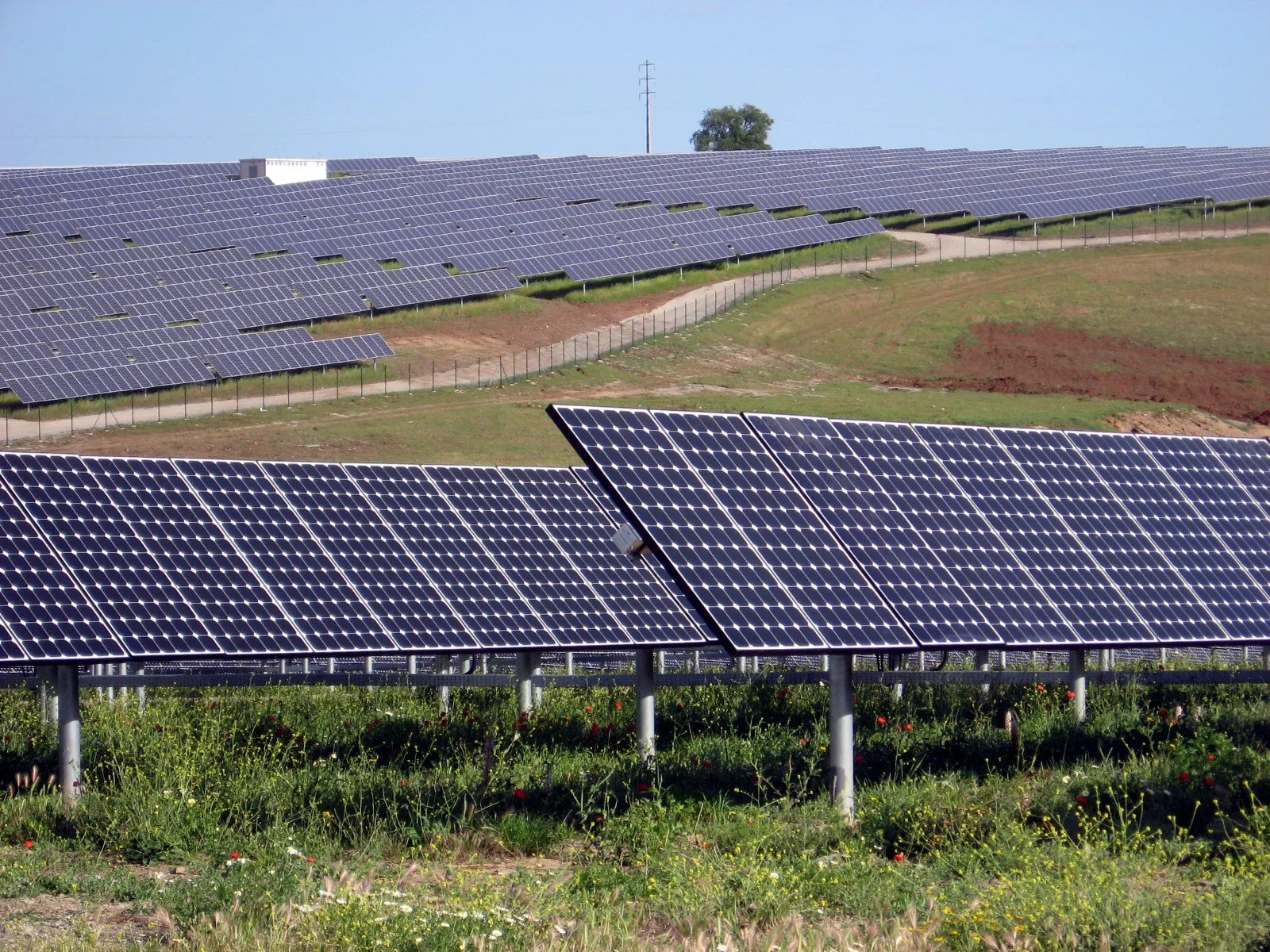 Photo: Ceinturion (original uploader at English Wikipedia) · Creative Commons Attribution-ShareAlike 3.0 Unported (also listed with GFDL 1.2+) · Image resized and converted to WebP.
Compare simple hypothetical quantities and document assumptions without forecasting a tax bill.
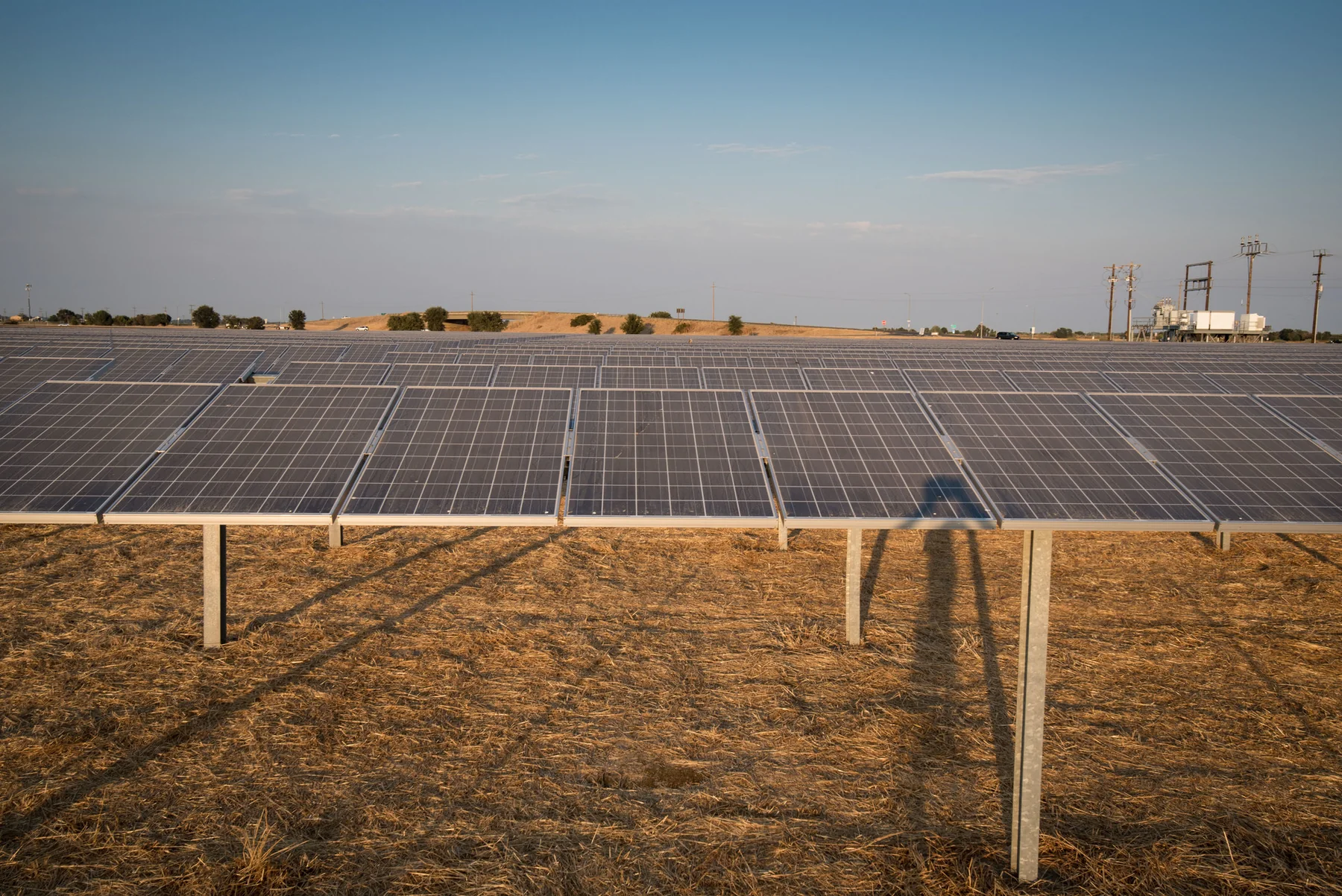 Photo: Chris Allan; U.S. Department of Energy · Public domain (U.S. Department of Energy government work) · Image resized and converted to WebP.
Discuss operational, procurement, customer and governance questions raised by the assessment.
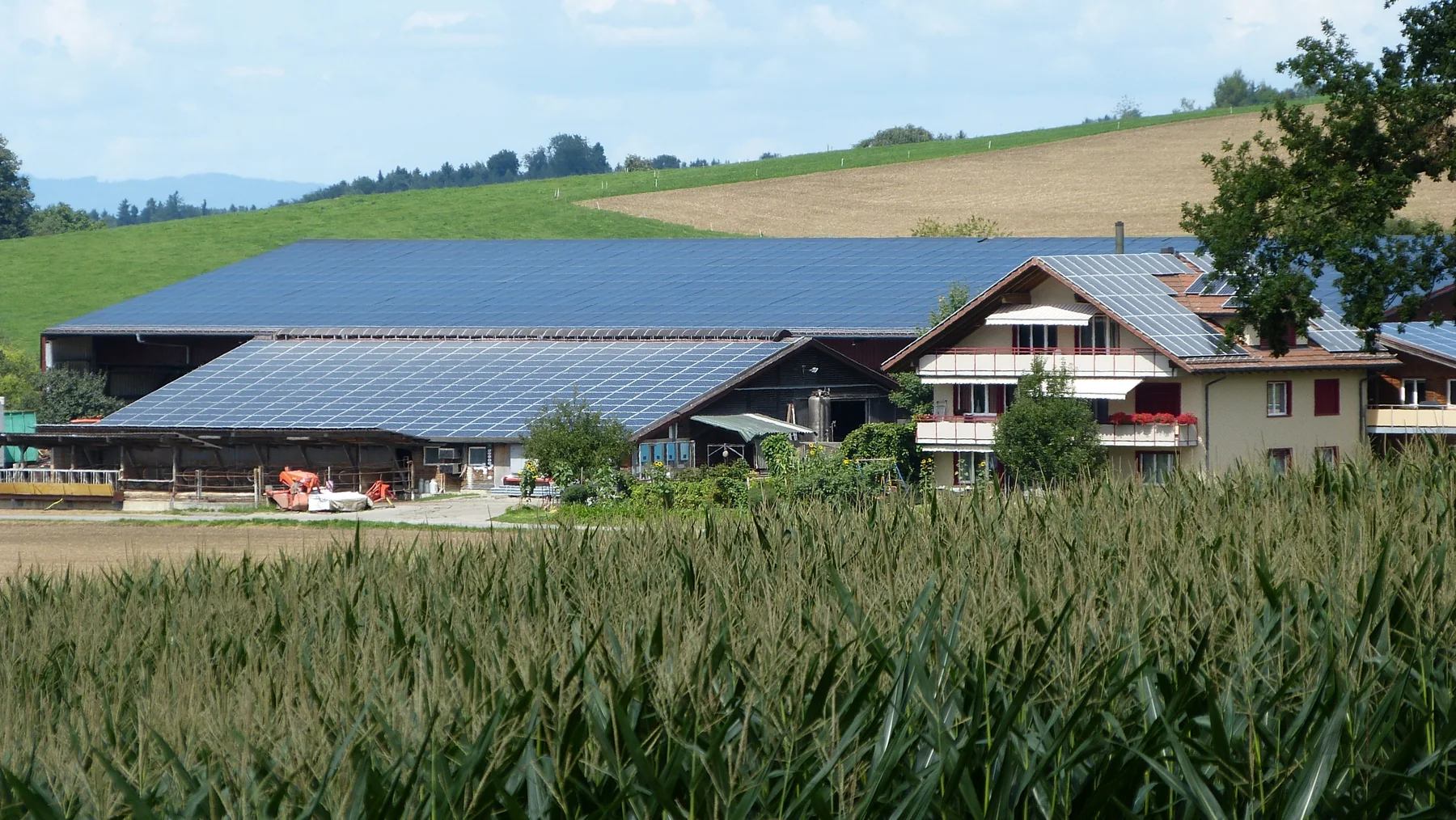 Photo: GabrielleMerk · CC BY-SA 4.0 · Image resized and converted to WebP; this adaptation is shared under CC BY-SA 4.0.
Summarise evidence quality, open questions and adviser follow-up for management discussion.
Human review: Not a carbon-tax rate, tax filing, emissions calculation, assurance or financing eligibility assessment; current Malaysian requirements need qualified confirmation.
Confirm the final syllabus, duration, dates, format and fees for your manufacturing team.
