


Explain mechanism differences
Describe how a carbon tax and an emissions trading system create different price, quantity, allowance and evidence questions for a manufacturing business.
Carbon Tax, Carbon Credits & Carbon Markets
This practical course helps Malaysian manufacturing SMEs distinguish carbon tax from emissions trading, trace how each mechanism may affect factory decisions, organise evidence and test readiness questions without assuming current legal coverage, rates or obligations.
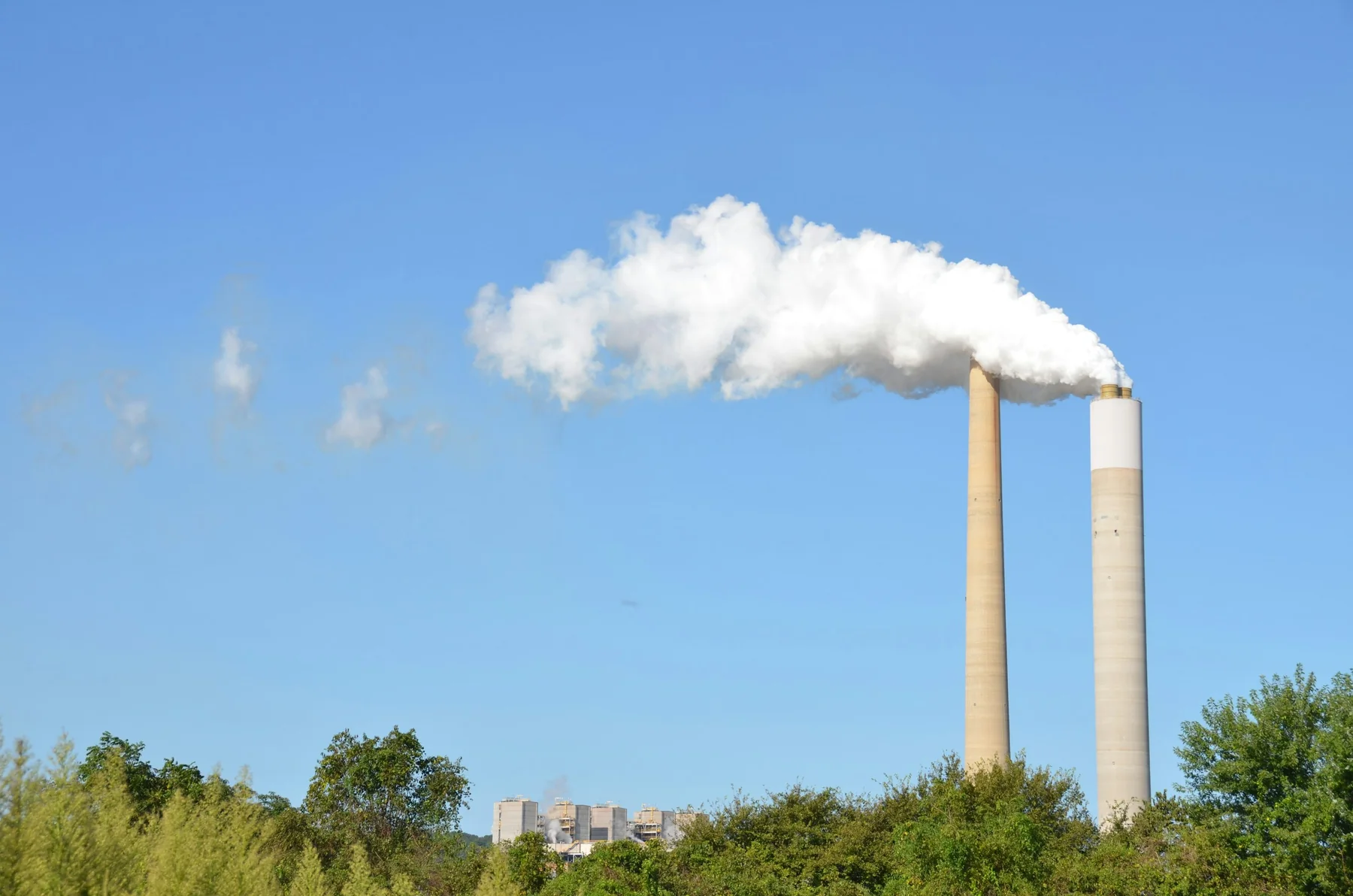
Category covers and course photos are illustrative licensed photographs, not AIGreen Plus staff, facilities or client results. Required creator and licence credits appear with each course photograph.
Use this comparison to organise learning questions about price, quantity, records and design rather than to select an instrument for a real jurisdiction.
| Decision / evidence | Carbon taxPrice signal set by policy design | Emissions tradingCap and tradable allowance system | Hybrid reviewCombined features needing careful scope |
|---|---|---|---|
| Primary signal | Price per defined tax base | Cap with allowance supply and demand | Price and quantity features together |
| What varies | Emissions response and tax design | Allowance price and market conditions | Rules, safeguards and interaction details |
| Evidence to map | Fuel, process and payer records | Emissions, allowances and transactions | All applicable records and interfaces |
| Factory decision question | Which operations need exposure review? | Can data support cap and allowance questions? | Which official design details remain unknown? |
This is an educational comparison only; actual coverage, rates, allocation, monitoring and obligations depend on current official rules and qualified advice. Course content is educational; verify current requirements against the linked official sources and the organisation's circumstances.
The course explains how a carbon tax sets a price signal while an emissions trading system uses tradable allowances within a defined cap. Participants compare design features, map relevant factory emissions and records, test simple hypothetical scenarios and draft questions for qualified review. It is intended for Malaysian manufacturing SME owners and cross-functional managers; it does not determine legal applicability, calculate a payable tax, execute trades or provide certification.
Describe how a carbon tax and an emissions trading system create different price, quantity, allowance and evidence questions for a manufacturing business.
Create a simple exposure map linking fuels, processes, emissions records, responsible owners and unknowns without deciding that any current rule applies.
Use clearly labelled hypothetical cases to compare price certainty, emissions-cap questions, data needs and management responses without forecasting financial returns.
Draft a proportionate readiness brief that separates verified facts, assumptions and questions for qualified advisers or relevant official authorities.
A fictional Malaysian parts factory maps natural gas, purchased electricity, process fuels and production records across two lines. Participants identify which evidence is measured, estimated or missing, then assign owners and frame questions about possible carbon-pricing exposure without assuming that a tax or trading rule currently applies.
A sanitised management team compares a hypothetical carbon tax with an emissions trading design. They examine price certainty, cap questions, allowance records, operational flexibility and review needs. The exercise produces a transparent decision matrix rather than a recommendation, rate forecast, transaction plan or claim about future financial results.
A fictional electronics assembler prepares a short brief for management review. It links fuel invoices, meter data, production volumes, process notes and data owners to open questions. Participants separate verified facts from assumptions and identify which current official requirements or professional advice must be checked before action.
This is a fictional learning example, not client results. It demonstrates how to discuss evidence completeness without estimating a tax, allowance price, emissions reduction or saving.
Stated basis: Defined set of fuel, process, production and ownership records reviewed · 8 ÷ 20 and 14 ÷ 20.
Absolute difference: 30 percentage points. This is a comparison of the stated exercise values, not proof of improvement.
The simple result shows how many checklist items were documented in each review state; it does not estimate a carbon tax, allowance requirement, emissions reduction, cost saving or future market outcome.
This exercise is not a legal applicability assessment, tax calculation, emissions inventory, compliance filing, assurance engagement, certification or financing-eligibility determination.
Final depth, exercises and delivery details are confirmed with AIGreen Plus before delivery.
On a small screen, scroll horizontally inside the course-outline table.
| Module | Focus | Key points | Practice |
|---|---|---|---|
| 01Carbon Pricing Foundations | Build a plain-language foundation for understanding carbon pricing as a policy signal and connect it to decisions in a manufacturing SME. |
| Create a fictional plant map linking fuel use, process choices, purchasing decisions and evidence owners to possible pricing questions. |
| 02Carbon Tax Mechanics | Explore how a carbon tax can create a predictable price signal while leaving actual emissions outcomes dependent on design and response. |
| Review a sanitised fuel ledger and mark which records could inform a tax-exposure question without inventing a rate or liability. |
| 03Trading System Mechanics | Understand how an emissions trading system uses a cap, allowances and market transactions, with attention to evidence and operational uncertainty. |
| Use a fictional allowance table to match emissions records, allocation assumptions, buying needs and unresolved system-design questions. |
| 04Tax or Trading Comparison | Compare carbon tax and trading mechanisms using consistent decision lenses rather than treating one instrument as universally suitable. |
| Score two fictional mechanism designs against factory evidence quality, planning needs, operational flexibility and questions for qualified review. |
| 05Factory Exposure Mapping | Translate manufacturing activities into a traceable map of relevant emissions sources, records, owners and potential decision points. |
| Build an evidence board for a fictional metal-finishing plant, linking utility data, production volumes, process notes and ownership gaps. |
| 06Scenario and Sensitivity Thinking | Practise bounded scenario analysis that makes assumptions visible without presenting hypothetical prices, savings or obligations as forecasts. |
| Compare fictional response options under two unnamed policy scenarios, then document what additional official or internal evidence would change the view. |
| 07Controls, Records and Claims | Connect mechanism understanding with disciplined records, review controls and careful communications about exposure, preparedness and uncertainty. |
| Audit a mock carbon-pricing slide, trace each statement to evidence, and rewrite unsupported wording as a reviewable internal question. |
| 08Readiness Brief and Next Steps | Assemble a concise management brief that records current understanding, evidence gaps, decision questions and proportionate next steps. |
| Prepare a fictional factory readiness brief with a decision matrix, evidence register, open questions, owner assignments and review checkpoint. |
This draft uses mechanism comparison, factory evidence mapping and bounded scenarios as course design choices, not proof of superiority or a guarantee of results; confirm the final scope by enquiry.
| Focus | Proposed approach | Factory relevance |
|---|---|---|
| Decision-lens comparison | Aqua Matrix exercises compare price certainty, emissions-cap questions, records and management responses side by side. | Teams can discuss trade-offs without reducing carbon pricing to a single rate or slogan. |
| Factory evidence first | Learners map fuels, processes, meters, invoices, production data and owners before testing a mechanism scenario. | Manufacturers see which records support a question and which gaps need attention. |
| Bounded hypothetical practice | Exercises use unnamed policy scenarios and explicit assumptions instead of invented Malaysian rates, coverage or returns. | Participants practise reasoning while keeping educational examples separate from legal or financial forecasts. |
| Review-ready outputs | Each activity ends with a matrix, evidence register, open-question list or owner-led readiness brief. | Managers receive a structured starting point for qualified review rather than a purported compliance conclusion. |
It explains the core difference between a tax price signal and an emissions-trading cap with allowances. Participants map factory evidence, compare decision lenses, test bounded scenarios and prepare review questions. The course stays educational and does not determine a jurisdiction's current rules or a company's liability.
A carbon tax generally sets a price for a defined emissions or fuel base, while an emissions trading system sets a cap and allows covered entities to trade allowances. Actual designs vary, so the course treats these as learning distinctions and directs current applicability questions to official requirements and qualified advice.
There is no universal answer in this course. The relevant comparison depends on current policy design, coverage, factory data, operational choices and the organisation's decision purpose. Participants build a matrix of price, cap, evidence and review questions rather than receiving a recommendation or forecast.
No. An allowance in an emissions trading system is generally tied to that system's compliance design, while a carbon credit represents a claimed unit from a crediting activity under its applicable rules. The course keeps allowances, credits and offsets distinct and does not assess project quality or trading eligibility.
No. Participants may organise existing fuel, process, meter and production records to frame pricing questions, but the exercises are not a complete GHG inventory, product carbon footprint or assurance engagement. Any formal calculation should use an appropriate method, defined boundaries, quality controls and qualified review.
Useful approved examples may include fuel invoices, meter readings, process notes, production volumes, utility records, allowance or credit registers where relevant and named data owners. Bring anonymised or sanitised information only, and do not share confidential, personal or commercially sensitive material without authorisation.
Yes, as a clearly labelled hypothetical management tool for comparing decisions, not as a government tax rate, market forecast or payable obligation. Participants must state the scope, units, assumptions and purpose, then separate the exercise from any external compliance or investment conclusion.
No. Applicability can depend on current official policy, facility details, fuels, products, thresholds and other facts that must be checked at the relevant time. The course helps prepare an evidence brief and questions for the appropriate Malaysian authority or qualified professional; it is not legal or tax advice.
No. It is proposed educational training with evidence-led exercises. It is not independent certification, assurance, validation, verification, a site audit, a compliance filing, permission to trade, or a statement that a participant or organisation is eligible for finance or credits.
Dates, duration, delivery format and fees are not fixed in this draft. Please enquire with the exact course title, participant roles, factory context and learning priorities so the current scope, materials, preparation needs and quotation can be confirmed before planning delivery.
Carbon Pricing Mechanisms: Carbon Tax vs Carbon Trading — proposed practice flow; people remain responsible for evidence, decisions and any operational change.
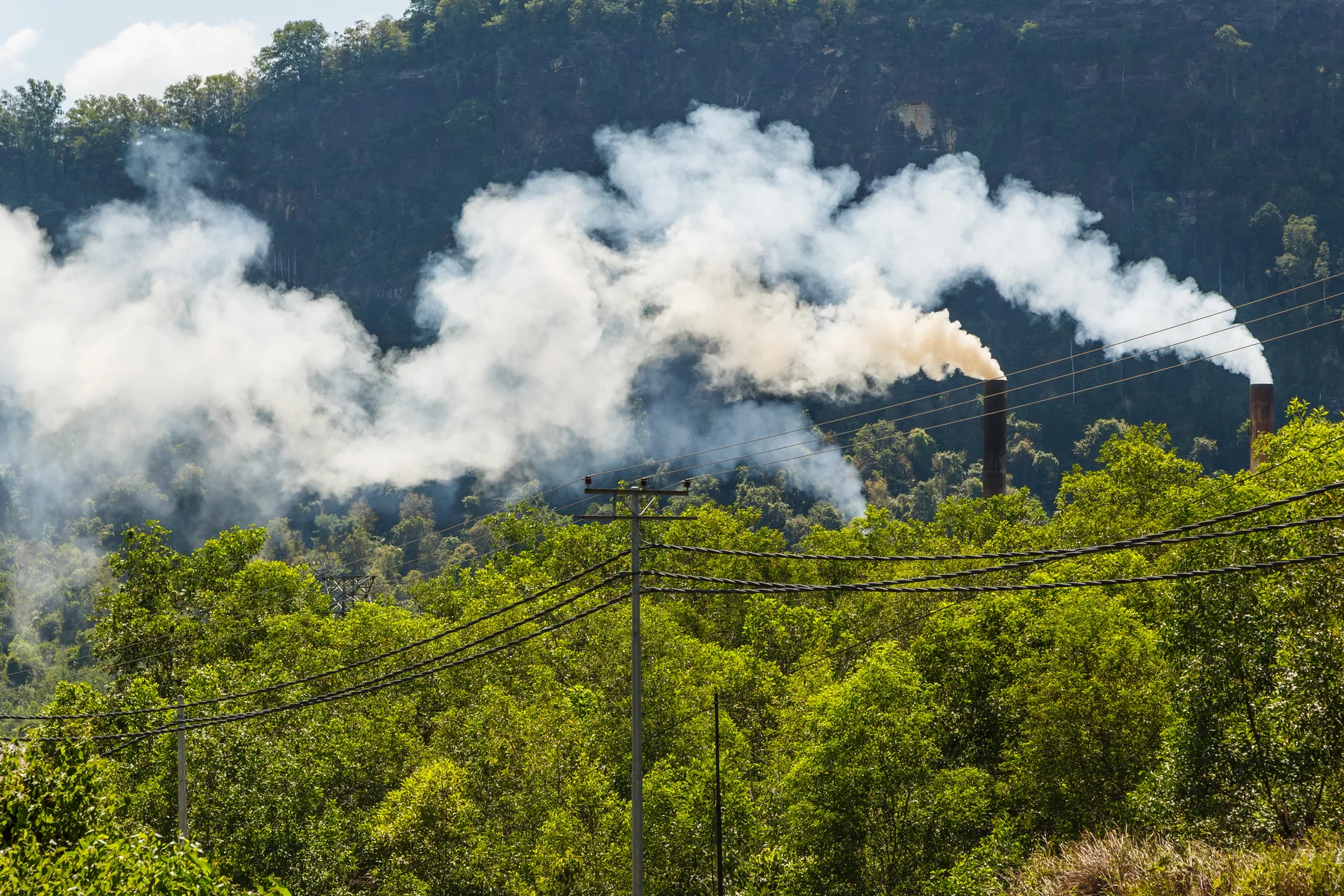 Photo: CEphoto, Uwe Aranas · Creative Commons Attribution-ShareAlike 3.0 Unported (CC BY-SA 3.0) · Image resized and converted to WebP; this adaptation is shared under CC BY-SA 3.0.
Frame the factory decision and the carbon-pricing question without assuming current applicability.
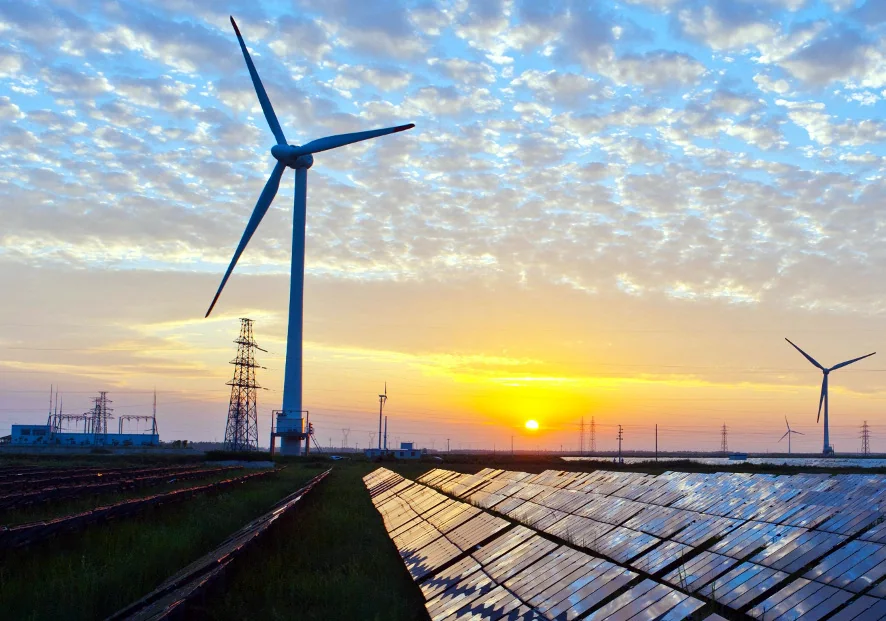 Photo: Kenueone · Creative Commons CC0 1.0 Universal Public Domain Dedication · Image resized and converted to WebP.
Connect fuels, processes, meters, invoices and production records to possible mechanism evidence.
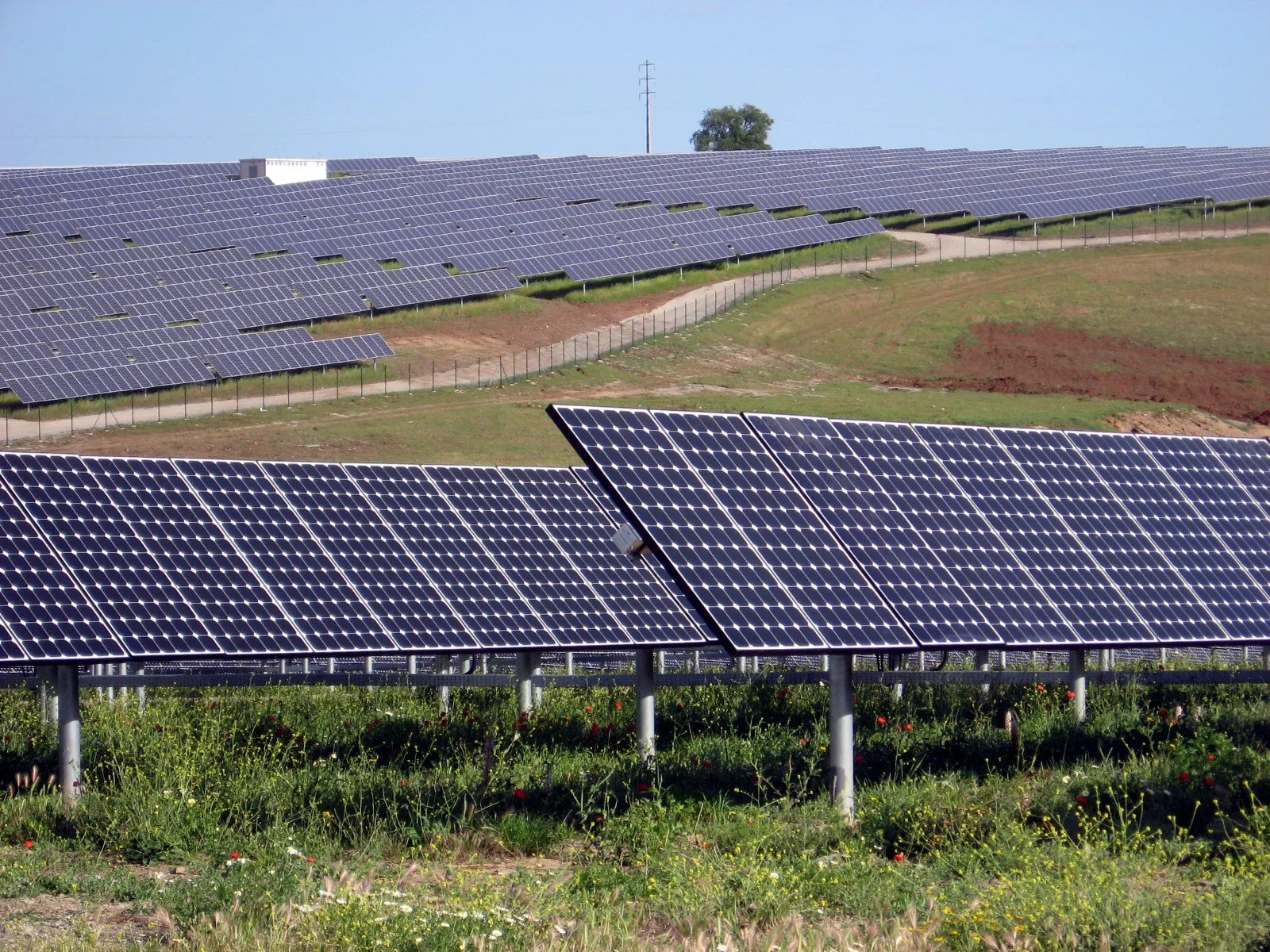 Photo: Ceinturion (original uploader at English Wikipedia) · Creative Commons Attribution-ShareAlike 3.0 Unported (also listed with GFDL 1.2+) · Image resized and converted to WebP.
Use consistent decision lenses to compare tax and trading features, assumptions and unanswered design questions.
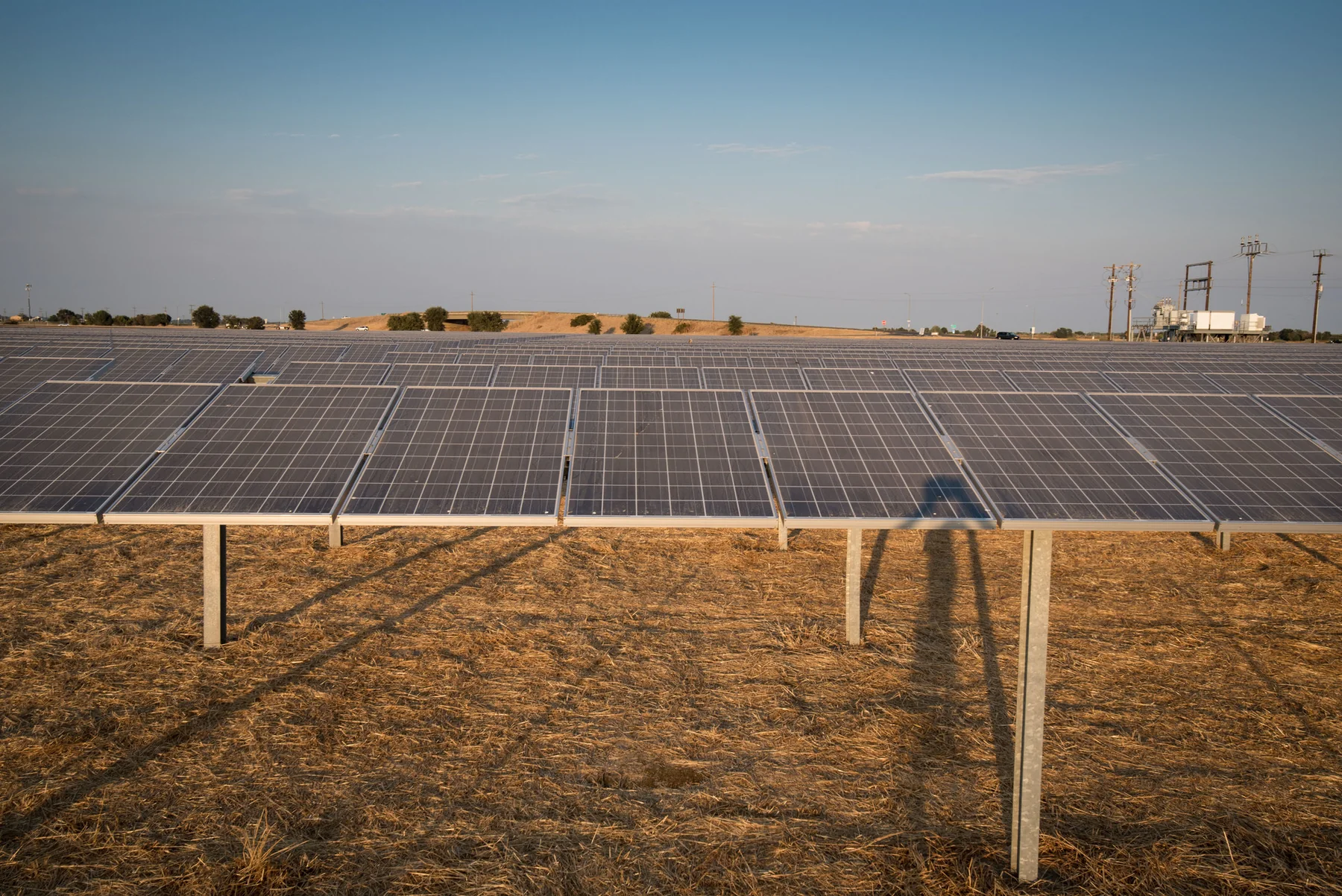 Photo: Chris Allan; U.S. Department of Energy · Public domain (U.S. Department of Energy government work) · Image resized and converted to WebP.
Run bounded hypothetical cases and record how changed assumptions affect the management discussion.
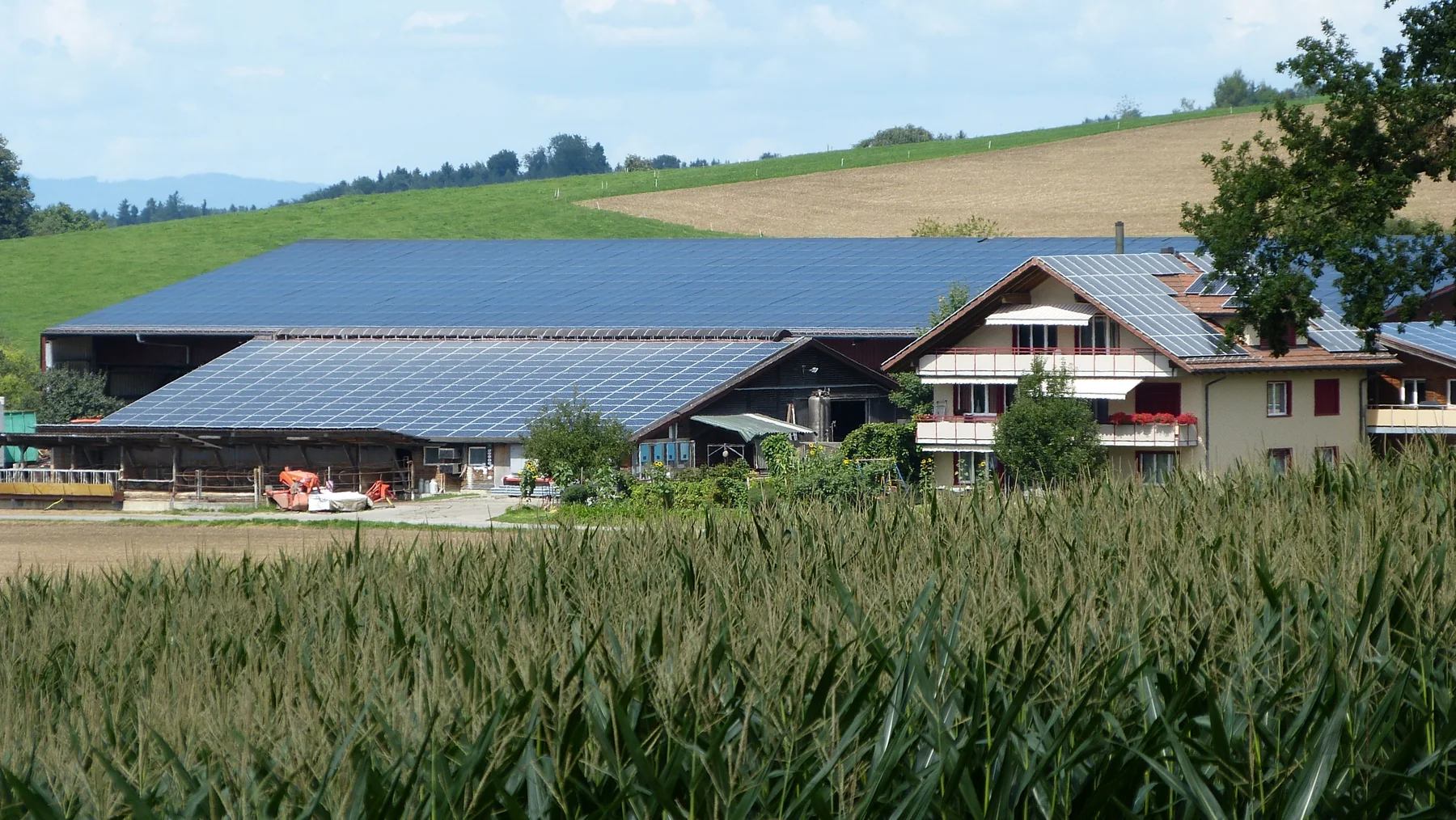 Photo: GabrielleMerk · CC BY-SA 4.0 · Image resized and converted to WebP; this adaptation is shared under CC BY-SA 4.0.
Turn evidence gaps and official questions into an owner-led brief for proportionate qualified review.
Human review: This exercise is not a legal applicability assessment, tax calculation, emissions inventory, compliance filing, assurance engagement, certification or financing-eligibility determination.
Confirm the final syllabus, duration, dates, format and fees for your manufacturing team.
