


Define claim scope
Define the organizational boundary, reporting period, and residual-emissions scope that a proposed offset statement would cover before drafting any public language.
Carbon Tax, Carbon Credits & Carbon Markets
This practical course helps Malaysian manufacturing SMEs separate measured emissions from carbon credits, test whether an offset strategy is proportionate, and draft cautious carbon-neutrality language. Participants practise evidence boundaries, credit due diligence, retirement records, internal approvals, and claim review so environmental communications are traceable, understandable, and ready for qualified review.
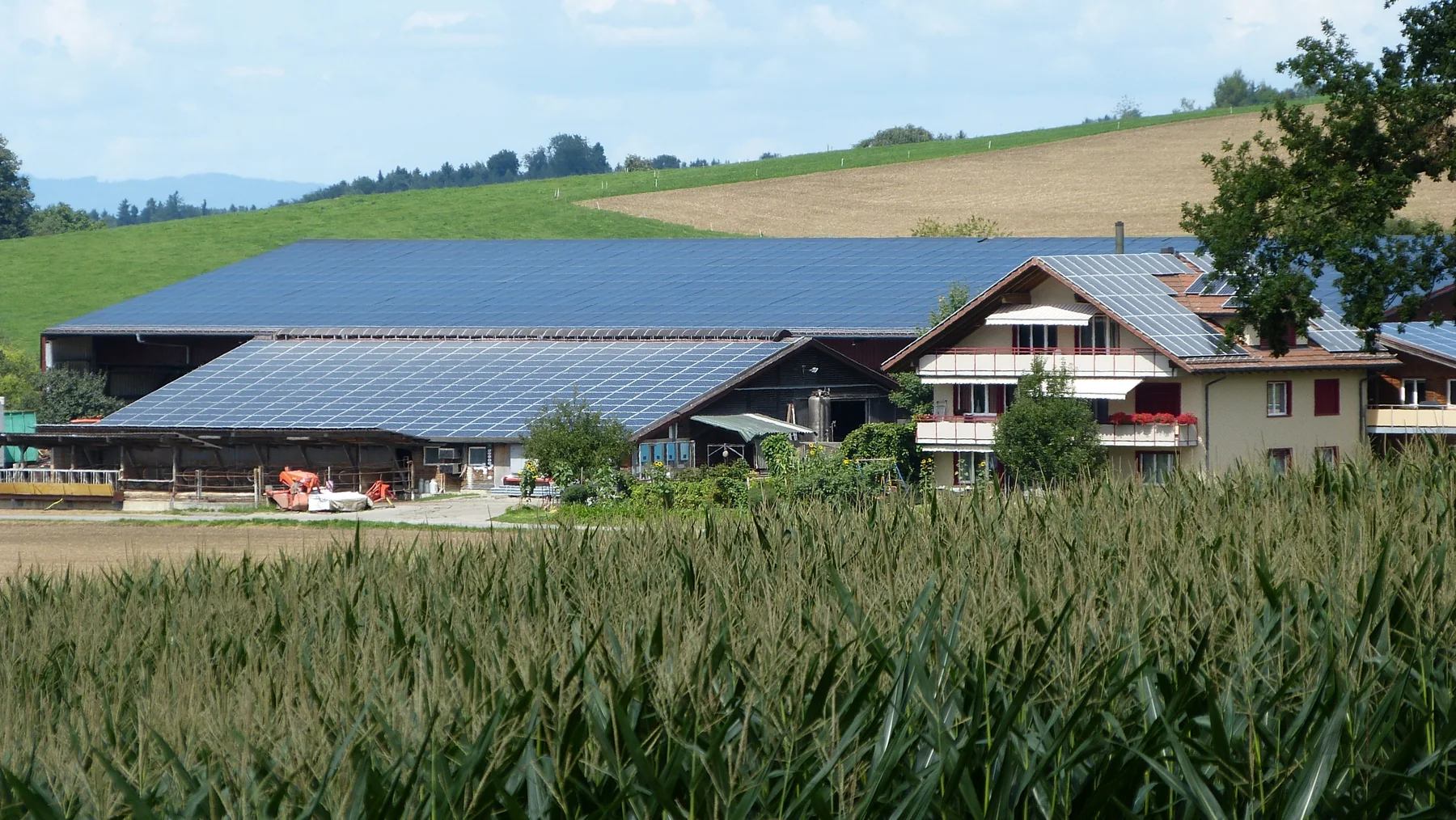
Category covers and course photos are illustrative licensed photographs, not AIGreen Plus staff, facilities or client results. Required creator and licence credits appear with each course photograph.
A credible teaching sequence keeps inventory evidence, reduction action, and any offset or claim review visibly separate.
| Decision / evidence | Inventory evidenceMeasured boundary and period | Reduction pathwayActions within the value chain | Offset and claim reviewResiduals, credits, wording |
|---|---|---|---|
| Boundary | Sites, sources, period defined | Actions mapped to included sources | Claim names same boundary |
| Priority | Baseline shows material sources | Reductions or removals considered first | Offset role limited to residuals |
| Evidence | Activity data and factors retained | Action owner and status recorded | Credit, retirement, and wording records linked |
| Communication | Inventory is not zero-emissions proof | Progress language stays qualified | Claim states scope, period, and review status |
This matrix is a learning aid; it does not determine claim substantiation, conformity, assurance, legal compliance, or credit quality for a real organization. Course content is educational; verify current requirements against the linked official sources and the organisation's circumstances.
It teaches teams how to start with a defined corporate inventory, prioritize in-value-chain reductions, evaluate residual-emissions offset options, and keep a claim tied to evidence and a stated period. Learners create an offset decision brief, a credit-evidence checklist, and a plain-language claim review. It is designed for Malaysian manufacturing SME owners, EHS, sustainability, finance, procurement, and communications staff; it is not assurance, certification, legal advice, or a purchase recommendation.
Define the organizational boundary, reporting period, and residual-emissions scope that a proposed offset statement would cover before drafting any public language.
Use a structured screen for additionality evidence, permanence risk, double-counting controls, retirement records, and project documentation without treating a checklist as independent validation.
Compare reduction actions with offset use in a fictional factory case and document the rationale, assumptions, evidence gaps, and review owner for each decision.
Rewrite broad carbon-neutrality wording into a qualified, time-bound statement that identifies boundaries, residual emissions, credits, evidence, and the need for current specialist review.
A fictional electronics assembler maps electricity, natural gas, refrigerant, and logistics records for one plant and one reporting period. The team identifies which figures support the corporate inventory and which belong to a product claim. It then writes a boundary note that prevents a certificate or credit retirement from being treated as inventory evidence.
A fictional metal-parts factory has a proposed offset budget while its compressed-air losses and purchased electricity remain poorly documented. Learners rank data repair and reduction work first, define the residual scope, and compare two hypothetical credit files. Their decision brief records evidence gaps rather than promising carbon neutrality or financial benefit.
A fictional food-packaging SME wants to describe one product as carbon neutral after retiring credits linked to a broader business estimate. Participants test the product boundary, request product-specific evidence, identify unsupported wording, and draft a narrower statement that names its period, method, residual balance, and review status.
This is a fictional learning example, not client results.
Stated basis: Requested fuel, electricity, refrigerant, and credit-retirement records for one selected plant period · 68 ÷ 100 and 86 ÷ 100.
Absolute difference: 18 percentage points. This is a comparison of the stated exercise values, not proof of improvement.
The simple comparison illustrates how a team might track evidence availability between two internal review points; it does not calculate emissions, offset quality, or claim validity.
Not a carbon reduction or cost-savings estimate, compliance or certification finding, assurance conclusion, or financing eligibility decision.
Final depth, exercises and delivery details are confirmed with AIGreen Plus before delivery.
On a small screen, scroll horizontally inside the course-outline table.
| Module | Focus | Key points | Practice |
|---|---|---|---|
| 01Claim Scope and Boundaries | Set the entity, sites, gases, period, and claim object before discussing offsets, so a factory statement does not mix inventory and product boundaries. |
| Using a fictional Penang component plant, mark which boilers, purchased electricity, transport, and products belong inside three proposed claims. |
| 02Reduction Before Offset | Apply a practical hierarchy that looks for direct and value-chain reductions or removals before considering how the remaining footprint might be counterbalanced. |
| For a fictional metal stamping factory, compare efficiency, renewable electricity, supplier action, and offset use for remaining emissions. |
| 03Offset Strategy Options | Compare offset use cases, timing, volume, geography, and claim wording while recognizing that a credit purchase does not automatically prove a corporate reduction. |
| Teams compare two fictional credit portfolios against a defined residual footprint and explain why neither purchase alone proves factory reductions. |
| 04Credit Integrity Screen | Examine project documentation and registry evidence for additionality, permanence, leakage, double counting, safeguards, and retirement status before describing an offset. |
| Review a fictional forestry credit file and flag missing methodology, reversal-risk, registry, and retirement evidence before approval. |
| 05Evidence and Retirement | Build an evidence chain from inventory inputs to credit serial numbers, retirement records, approvals, and claim wording that another reviewer can follow. |
| Create an evidence index linking fictional utility records, calculation tabs, credit serials, retirement proof, approvals, and final wording. |
| 06Carbon Neutrality Language | Draft precise public wording that names the boundary, period, residual footprint, offset role, evidence, and review status without implying zero emissions. |
| Rewrite a fictional factory website sentence so its scope, period, reduction context, residual balance, and evidence status are visible. |
| 07Governance and Review | Assign owners and review gates for sustainability, finance, procurement, operations, and communications decisions without presenting training as assurance or certification. |
| Build a fictional approval route showing who checks inventory, credits, wording, customer requirements, and final release. |
| 08Factory Claim Workshop | Integrate the course tools into a fictional Malaysian manufacturing case and test whether the proposed statement is supportable, qualified, and internally approved. |
| Teams produce a fictional Malaysian SME offset decision brief and hold a peer review against the matrix, checklist, and claim language. |
This is a proposed course design focused on practical learning and evidence discipline, not proven superiority or guaranteed results.
| Focus | Proposed approach | Factory relevance |
|---|---|---|
| Boundary-first learning | Start each exercise with a facility, product, reporting period, and claim-object worksheet. | Manufacturers can see exactly which records support an operational claim and which do not. |
| Reduction hierarchy | Make learners rank direct and value-chain reductions before discussing residual offset use. | The process discourages treating credits as a substitute for factory improvement. |
| Evidence-chain practice | Link activity records, calculations, credit identifiers, retirement proof, approvals, and wording in one index. | Teams can identify missing links before a customer, reviewer, or adviser asks for them. |
| Claim-language rehearsal | Use fictional manufacturing copy reviews to separate progress statements, residual balancing, and assurance language. | Customer-facing teams practise clearer wording without implying zero emissions or independent confirmation. |
This course treats them as related but not interchangeable. Carbon neutrality claims for an organization or product may address a defined footprint and residual balancing, while net zero has different usage and pathway expectations. Learners state the chosen term, boundary, period, and evidence rather than using either label as a general marketing shortcut.
No. The teaching sequence prioritizes direct and indirect value-chain reductions and removal enhancements. Offsets are considered only for the remaining footprint after those actions, and the claim should disclose that role. A proposed purchase is therefore not evidence that factory emissions have fallen.
A credit is treated here as a project-related unit used for a potential offset or compensation claim. Teams do not assume its existence proves a factory inventory reduction. They trace project documentation, ownership, retirement status, and intended claim before using any credit.
Use structured due diligence covering the project boundary, methodology, baseline, additionality evidence, permanence or reversal risks, leakage, double-counting controls, safeguards, registry status, and retirement record. The checklist supports internal questions only; it is not validation, verification, certification, or an independent quality opinion.
Retain the boundary note, activity data, emission-factor references, calculation workbook, reduction action log, credit documents, serial numbers, retirement evidence, approvals, and final claim copy. The set should connect the stated footprint and residual balance to identifiable records for the selected period.
Not automatically. The wording must be tied to a defined subject, boundary, period, quantified footprint, reduction context, offset role, and supporting evidence. Teams should check current applicable advertising, market, customer, and destination requirements with a qualified adviser before publishing.
No. The GHG Protocol Corporate Standard focuses on accounting and reporting and does not prescribe how verification is conducted. Organizations should identify applicable programme or customer requirements and obtain suitable independent advice where needed. Training exercises are not assurance or certification.
Start with a clear facility boundary, a short evidence list, material sources, and an owner for each data gap. Build reduction actions and claim review into existing operating and approval routines. Do not claim that a smaller company or simpler process automatically meets any external requirement.
A corporate inventory and a product carbon footprint are different objects. A credit strategy for a factory cannot automatically substantiate a product claim. Define the claim subject and method first, then confirm whether product-specific evidence and current customer or market rules apply.
This JSON describes proposed educational content only. Delivery format, duration, fees, and scope are not set here, and the course does not sell credits, provide certification, offer assurance, or give legal or investment advice. Enquire with AIGreen Plus for current arrangements and any qualified review needs.
Carbon Offset Strategies and Carbon Neutrality Claims — proposed practice flow; people remain responsible for evidence, decisions and any operational change.
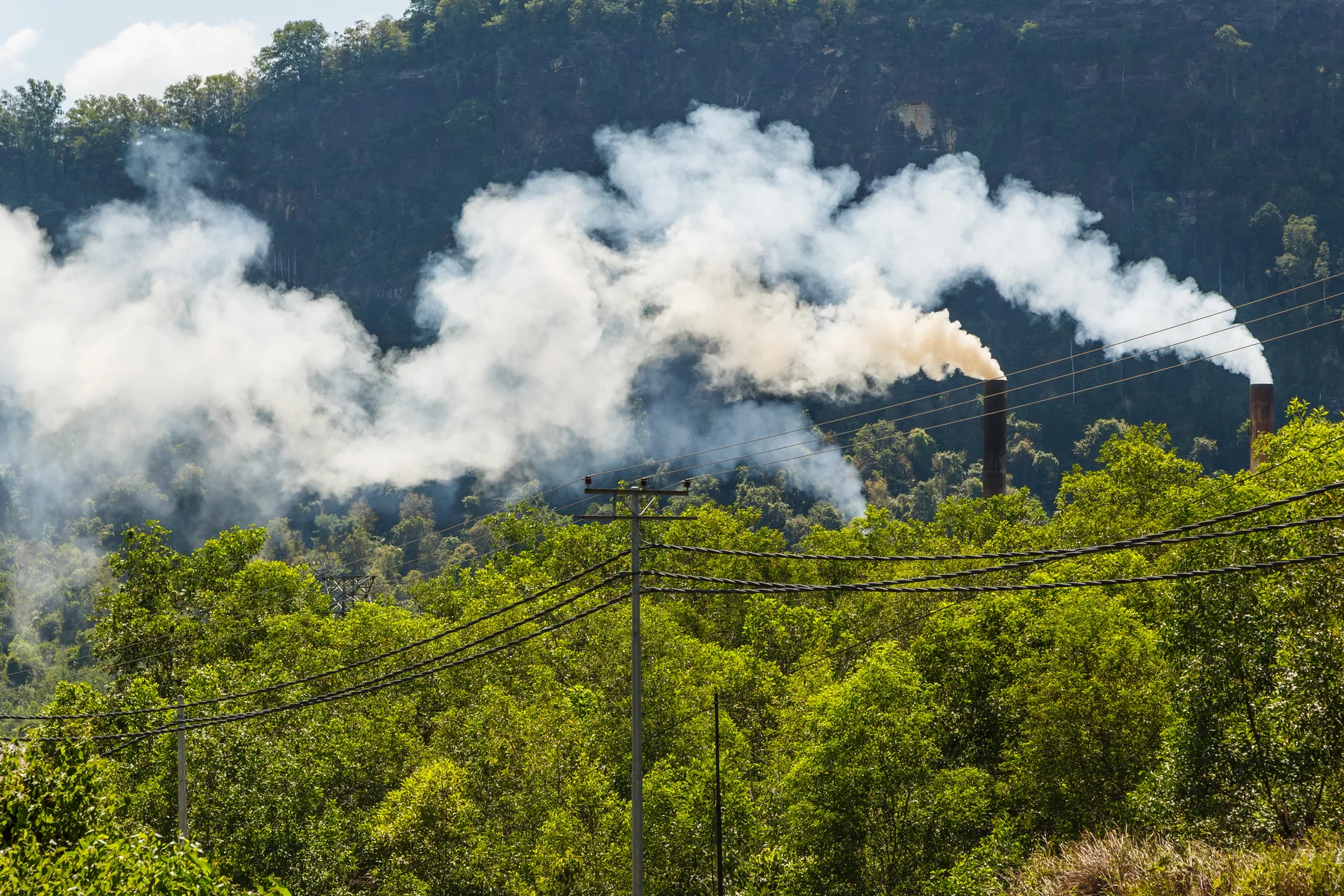 Photo: CEphoto, Uwe Aranas · Creative Commons Attribution-ShareAlike 3.0 Unported (CC BY-SA 3.0) · Image resized and converted to WebP; this adaptation is shared under CC BY-SA 3.0.
Practise setting the facility, product, period, and residual-footprint boundary for one proposed statement.
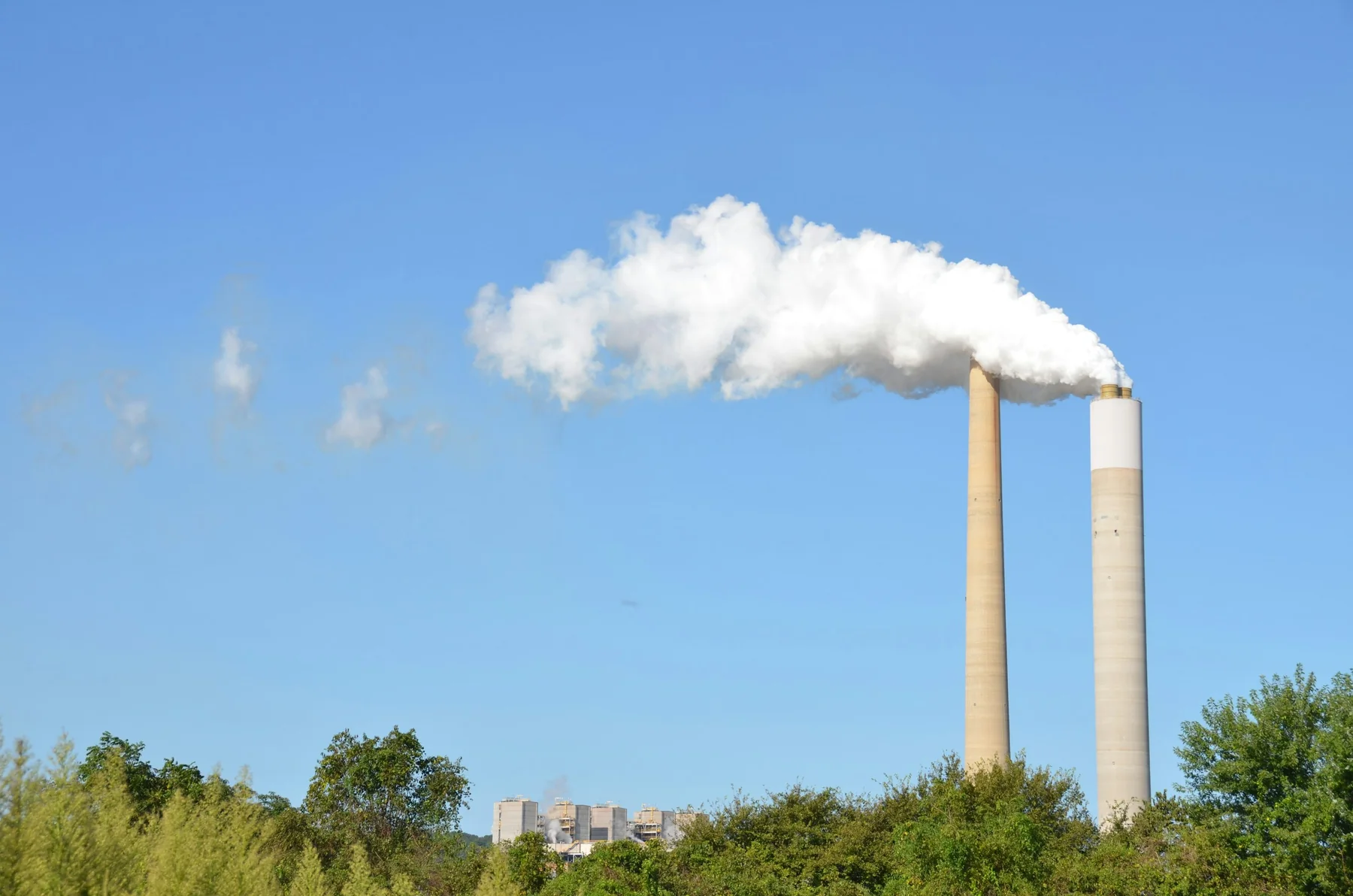 Photo: Roger Starnes Sr (@rstar50) · Unsplash License · Image resized and converted to WebP.
Rank direct and value-chain reduction or removal actions before considering residual balancing.
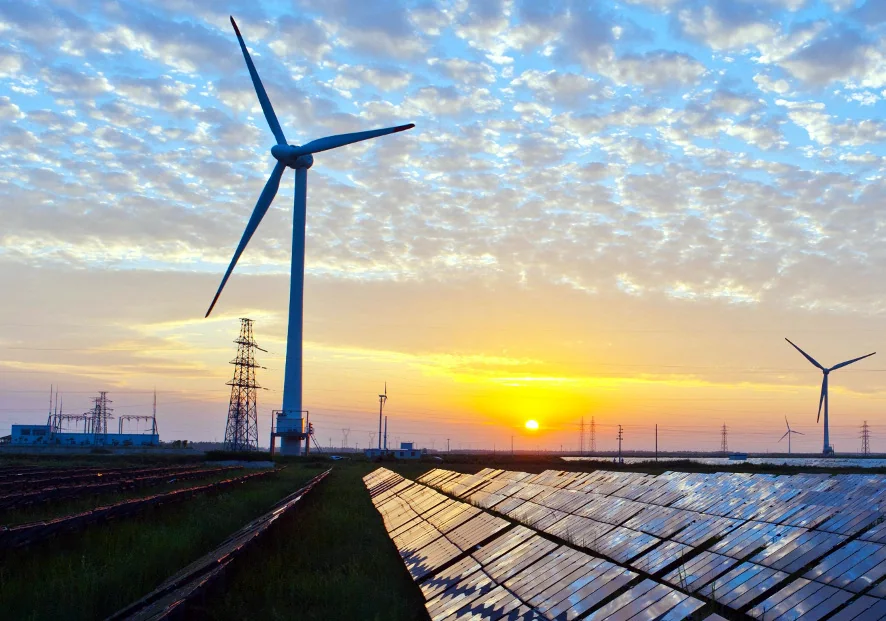 Photo: Kenueone · Creative Commons CC0 1.0 Universal Public Domain Dedication · Image resized and converted to WebP.
Practise a documented screen of project, registry, retirement, and double-counting evidence.
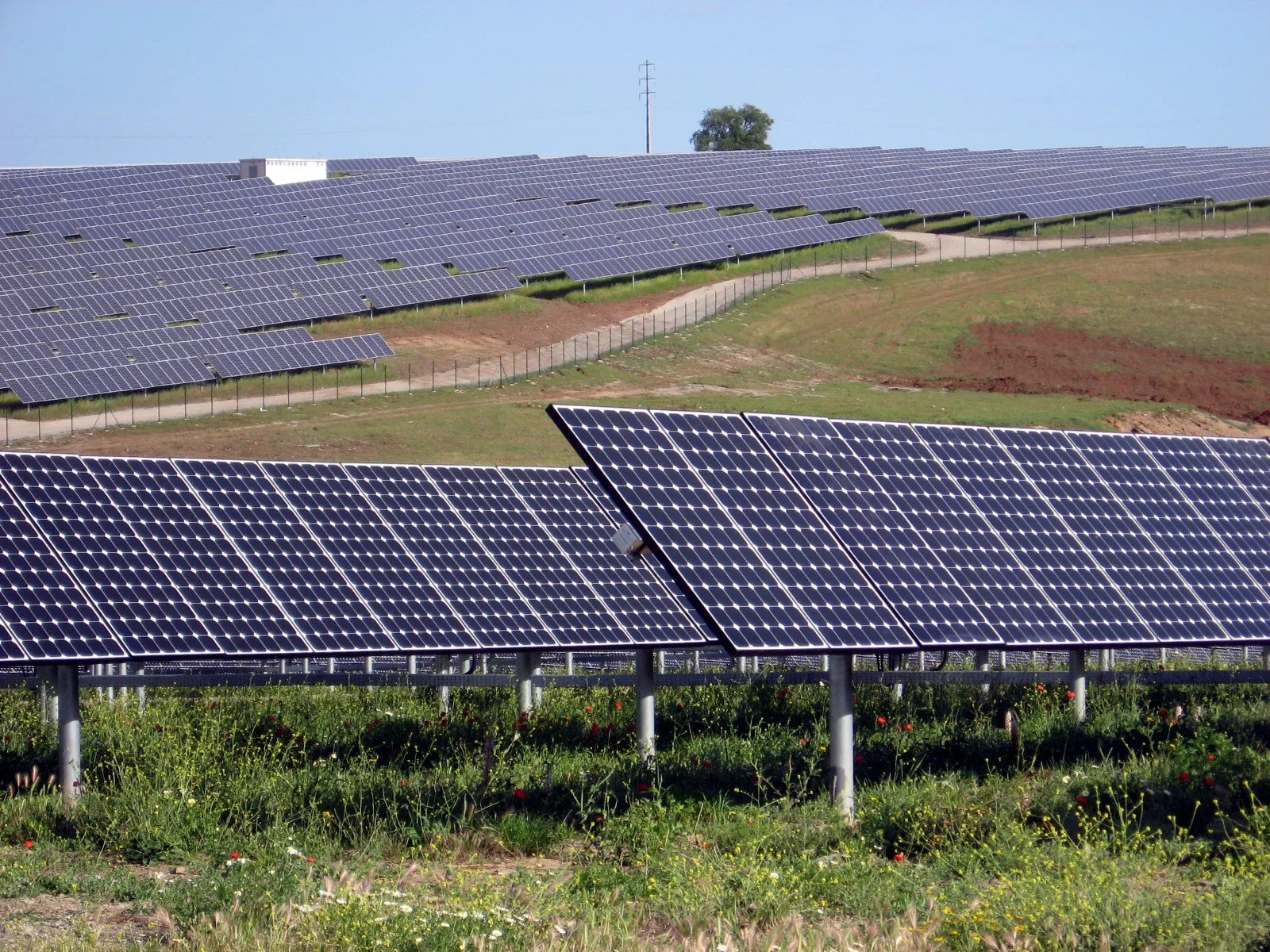 Photo: Ceinturion (original uploader at English Wikipedia) · Creative Commons Attribution-ShareAlike 3.0 Unported (also listed with GFDL 1.2+) · Image resized and converted to WebP.
Turn the defined scope and evidence status into qualified, plain-language carbon-neutrality wording.
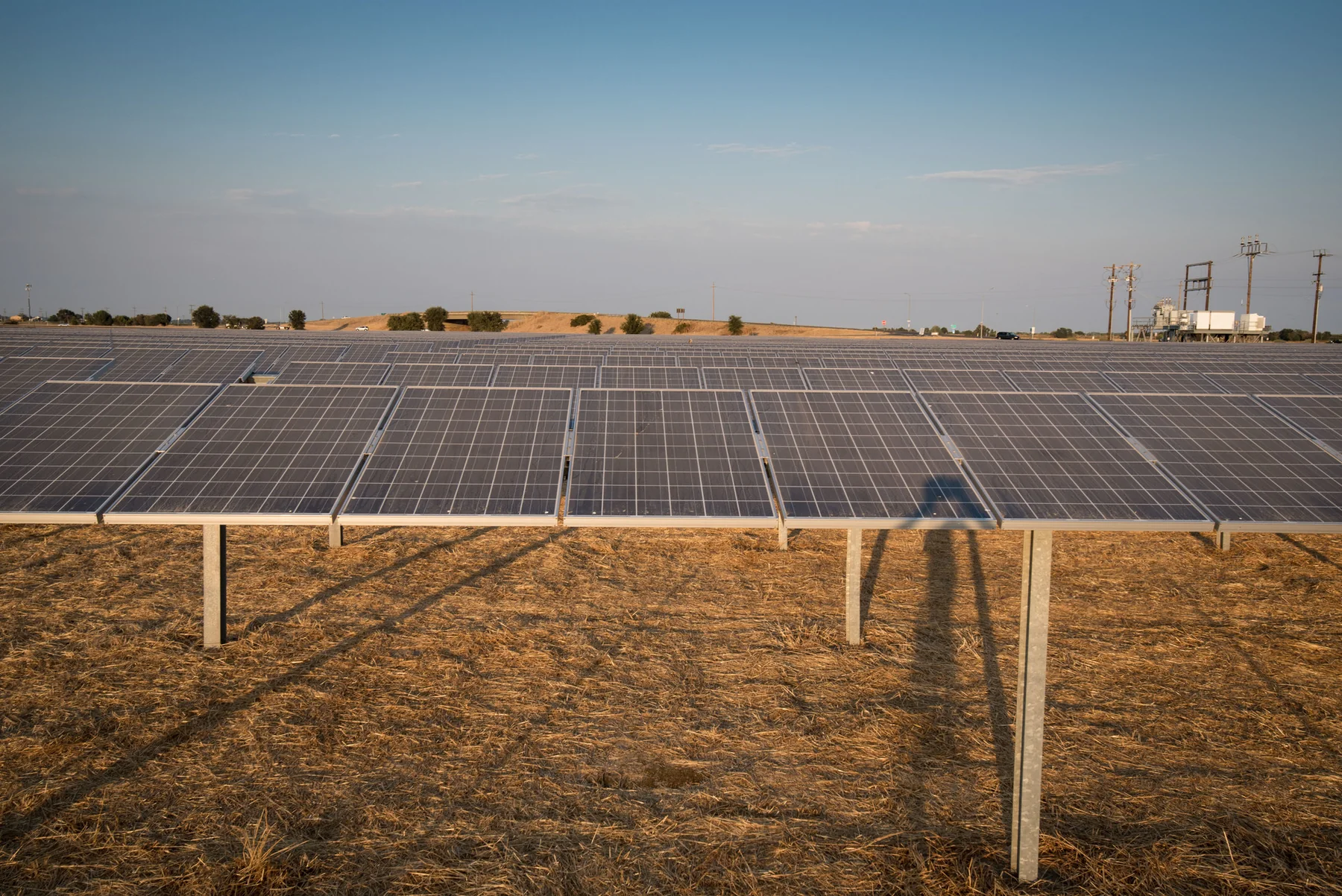 Photo: Chris Allan; U.S. Department of Energy · Public domain (U.S. Department of Energy government work) · Image resized and converted to WebP.
Run a cross-functional learning review and identify matters requiring current qualified advice before publication.
Human review: Not a carbon reduction or cost-savings estimate, compliance or certification finding, assurance conclusion, or financing eligibility decision.
Confirm the final syllabus, duration, dates, format and fees for your manufacturing team.
