


Map the assurance pathway
Map a project’s validation, monitoring, verification and certification pathway, identifying which decisions belong to the project proponent, methodology owner, registry or independent validation and verification body.
Carbon Tax, Carbon Credits & Carbon Markets
This course helps Malaysian manufacturing SMEs understand how carbon-credit projects move from design evidence through validation, monitoring, verification and any program-specific certification decision. Participants practise mapping responsibilities, checking records and preparing review questions without treating training exercises as an independent audit, assurance engagement or guarantee of credit issuance.
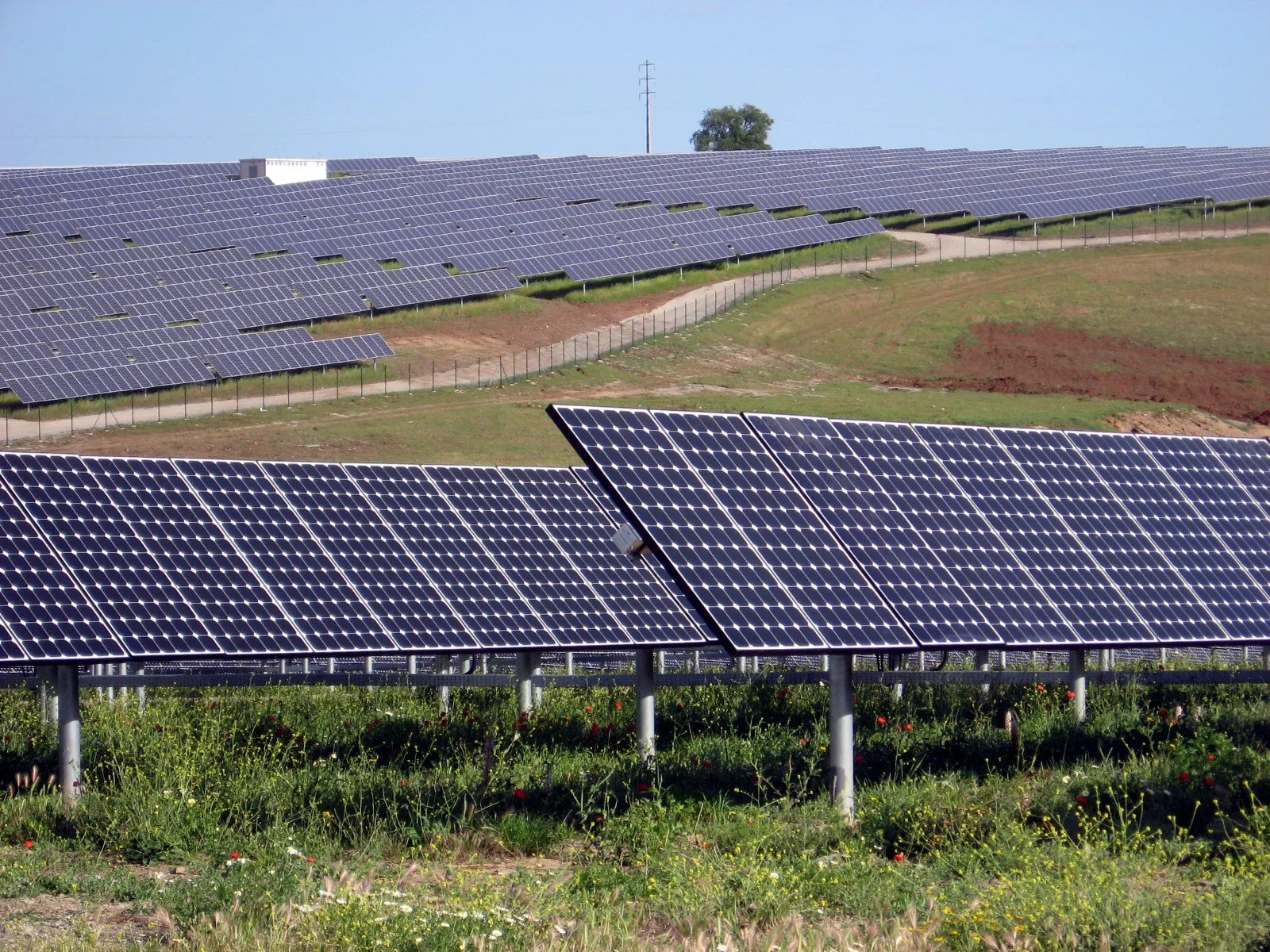
Category covers and course photos are illustrative licensed photographs, not AIGreen Plus staff, facilities or client results. Required creator and licence credits appear with each course photograph.
Validation examines whether a proposed project meets applicable rules; verification checks achieved outcomes; certification has a program-specific meaning based on the relevant decision.
| Decision / evidence | ValidationDesign and eligibility review | VerificationAchieved outcome review | CertificationWritten program decision |
|---|---|---|---|
| Typical timing | Before registration, where the program requires it | After monitoring a defined reporting period | After the relevant program decision process |
| Core question | Does the proposal meet applicable rules? | Did documented activity and outcomes meet criteria? | What written decision does the program issue? |
| Evidence focus | Design, baseline and methodology records | Monitoring data, calculations and source records | Reports, responses and decision documentation |
| Boundary | Does not prove future outcomes | Does not redesign the methodology | Does not make every claim universally valid |
This comparison is educational: the selected program controls its criteria, sequence, report language and decision authority, and training cannot replace an independent review. Course content is educational; verify current requirements against the linked official sources and the organisation's circumstances.
It teaches Malaysian manufacturing teams how to prepare and review evidence for a carbon-credit project, distinguish validation from verification and certification, and recognise the boundaries of each decision. Participants practise a project scope map, evidence register, sample calculation check, monitoring checklist, corrective-action log and internal status note using fictional factory records. The course is designed for sustainability, operations, engineering, finance and compliance roles that need practical readiness without treating training as certification, assurance or a site audit.
Map a project’s validation, monitoring, verification and certification pathway, identifying which decisions belong to the project proponent, methodology owner, registry or independent validation and verification body.
Build a practical evidence index linking baseline assumptions, monitoring records, calculations, approvals and version controls to review questions for a fictional manufacturing carbon project.
Distinguish validation from verification and certification, then explain what each conclusion can and cannot support when communicating internally or reviewing a program document with appropriate caution.
Prepare a readiness brief that records evidence gaps, corrective-action questions, responsible owners and next review steps without presenting the brief as assurance or certification.
A fictional metal-finishing SME is considering a solvent-recovery project. Learners receive a short project description, a proposed methodology, boundary notes and sample records. They map validation questions, identify missing baseline evidence and draft a focused request list for the project owner, without deciding whether the activity qualifies for credits.
A sanitised plastics-factory exercise provides monthly meter logs, maintenance tickets, production records and a monitoring spreadsheet. Learners test completeness, trace each value to a source and flag a changed meter. The task ends with a corrective-action log and a verification interview plan, not a quantified claim or assurance conclusion.
A fictional food manufacturer receives excerpts from a validation report, verification report and certification decision under a named program. Learners compare scope, review period, findings and conclusion wording, then prepare an internal note that distinguishes evidence status from any external claim or registry outcome.
This is a fictional learning example, not client results.
Stated basis: Defined scope of fictional design and monitoring records reviewed against a selected checklist · 68 ÷ 100 and 86 ÷ 100.
Absolute difference: 18 percentage points. This is a comparison of the stated exercise values, not proof of improvement.
The renderer compares the share of checked evidence items available before and after a fictional documentation clean-up; it does not estimate emissions or prove project eligibility.
Not a carbon reduction, cost saving, compliance result, certification decision, assurance conclusion or financing eligibility assessment.
Final depth, exercises and delivery details are confirmed with AIGreen Plus before delivery.
On a small screen, scroll horizontally inside the course-outline table.
| Module | Focus | Key points | Practice |
|---|---|---|---|
| 01Assurance Pathway Map | Trace how a carbon-credit project moves from design and validation through monitoring, verification and a program-specific certification or issuance decision. |
| Using a fictional metal-finishing project, draw a pathway map from project description to monitoring report, VVB review and program decision. |
| 02Standard and Scope | Choose a defensible program and methodology screen for a factory project, then record sectoral scope, boundary, eligibility questions and version references. |
| Screen a fictional food-packaging efficiency project against two hypothetical program checklists and list questions requiring qualified external confirmation before selection. |
| 03Design Evidence Pack | Assemble an auditable project design evidence pack that connects activity description, boundaries, baseline rationale, safeguards, calculations and approvals to one review trail. |
| Create a sanitised evidence register for a fictional ceramics plant using invoices, meter logs, process diagrams and management approvals only. |
| 04Baseline and Quantification | Test baseline, additionality and quantification logic with simple factory data while keeping inventory reductions, project reductions and offsets conceptually separate. |
| Recalculate a fictional boiler-efficiency activity with supplied fuel records, then annotate which assumptions need methodology-owner or VVB review before use. |
| 05Monitoring Controls | Design a monitoring plan that assigns data owners, measurement frequency, quality checks, retention practices and escalation routes for factory project evidence. |
| Build a fictional monthly monitoring checklist for a plastics plant, including meter readings, maintenance records, data review and exception notes. |
| 06VVB Readiness | Prepare for independent review by translating project documents into evidence requests, interview prompts, site checks, nonconformity responses and corrective-action tracking. |
| Role-play a fictional VVB review of a machining project, answering evidence questions and logging corrective actions without claiming an assurance conclusion. |
| 07Reports and Decisions | Read validation and verification reports critically, distinguishing observations, findings, conclusions, certification language, registry actions and unresolved limitations. |
| Compare fictional report excerpts from validation and verification, then write a plain-language decision note that preserves scope and caveats for management. |
| 08Claims and Governance | Turn review results into controlled internal communication, separating evidence status from marketing language and directing external claims to current program requirements. |
| Edit a fictional supplier-facing credit statement for a Malaysian factory, removing unsupported claims and adding a clear evidence-status note for review. |
This proposed course design uses factory scenarios and evidence-led practice; it is not a claim of superior delivery or a guarantee of project approval, certification or credits.
| Focus | Proposed approach | Factory relevance |
|---|---|---|
| Validation-to-verification thread | Learners keep one fictional project through design review, monitoring and outcome review. | Continuity makes hand-offs, evidence gaps and decision boundaries visible to factory teams. |
| Program-aware evidence mapping | Exercises tie records to a selected checklist while marking rules that require current program confirmation. | Manufacturers avoid treating a generic checklist as universal eligibility advice. |
| Report-language discipline | Participants rewrite findings and conclusions in plain language without upgrading assurance or certification meaning. | Clear internal notes reduce overstatement when managers review carbon-project status. |
| Factory record realism | Practice uses meters, production logs, maintenance tickets, approvals and controlled spreadsheets from fictional SMEs. | Teams rehearse the evidence trail they can actually locate and explain. |
Validation is a review of a proposed project against applicable program rules and methodology requirements. Verification is a later review of monitored activity and reported outcomes for a defined period. The exact timing, criteria and documents depend on the selected program, so participants learn to check current rules rather than generalise.
Certification is not a single universal step across all carbon programs. In the UNFCCC CDM example, certification is written assurance by the designated operational entity, based on its verification, that specified reductions were achieved. This course compares that program-specific meaning with other rules and avoids promising certification for any project.
A qualified independent validation and verification body, often called a VVB, performs the review when the selected program requires one. The body must meet that program’s accreditation or approval conditions and relevant sector scope. A training exercise can prepare records and questions, but it cannot appoint a VVB or replace its work.
Useful preparation may include the project description, boundary and baseline rationale, methodology version, activity data, meter records, calculations, maintenance or production logs, approvals, monitoring reports and issue responses. The final list should come from the selected program and methodology. Keep controlled versions and explain gaps instead of filling them with assumptions.
No. Exercises use fictional or sanitised records to practise evidence mapping, calculations and review responses. They do not establish additionality, quantify eligible reductions, satisfy a registry, secure issuance or predict a VVB conclusion. Project eligibility and any credit decision require the applicable program process and qualified parties.
Record the missing period, affected parameter, source of the gap and any proposed correction. Check whether the selected methodology permits an approved estimation or requires another response; do not silently substitute figures. Escalate material uncertainty to the project owner and the appropriate qualified reviewer before using the data in a claim.
An inventory can provide relevant organisational data, but it is not automatically a carbon-credit project record. Project evidence usually needs a defined activity boundary, baseline, methodology, monitoring approach and program-specific documentation. The course teaches participants to reconcile sources while keeping inventory reporting, project crediting and offset claims distinct.
It is a documented response to a finding, question or nonconformity identified during the applicable review. A useful response names the issue, owner, correction, supporting evidence and closure status. Participants practise distinguishing a factual document correction from a substantive change that may require program approval or renewed review.
No. This proposed training provides learning activities and participant work outputs; it is not an independent certification, assurance engagement, site audit or registry decision. It also does not issue professional qualifications or credits. Any external certification or verification must follow the applicable program and an authorised, qualified process.
Those details are not fixed in this course content and should be confirmed directly with AIGreen Plus for the intended Malaysian manufacturing audience. Enquiries can describe your project type, readiness, preferred delivery format and evidence questions. Confirmation of training arrangements does not imply project eligibility, certification, issuance or financing.
Carbon Credit Verification, Validation and Certification — proposed practice flow; people remain responsible for evidence, decisions and any operational change.
 Photo: CEphoto, Uwe Aranas · Creative Commons Attribution-ShareAlike 3.0 Unported (CC BY-SA 3.0) · Image resized and converted to WebP; this adaptation is shared under CC BY-SA 3.0.
Define the fictional activity, boundary and selected-program questions before collecting evidence.
 Photo: Roger Starnes Sr (@rstar50) · Unsplash License · Image resized and converted to WebP.
Link baseline, monitoring and approval records to each review criterion.
 Photo: Kenueone · Creative Commons CC0 1.0 Universal Public Domain Dedication · Image resized and converted to WebP.
Reperform sample quantification and annotate assumptions, exclusions and data limitations.
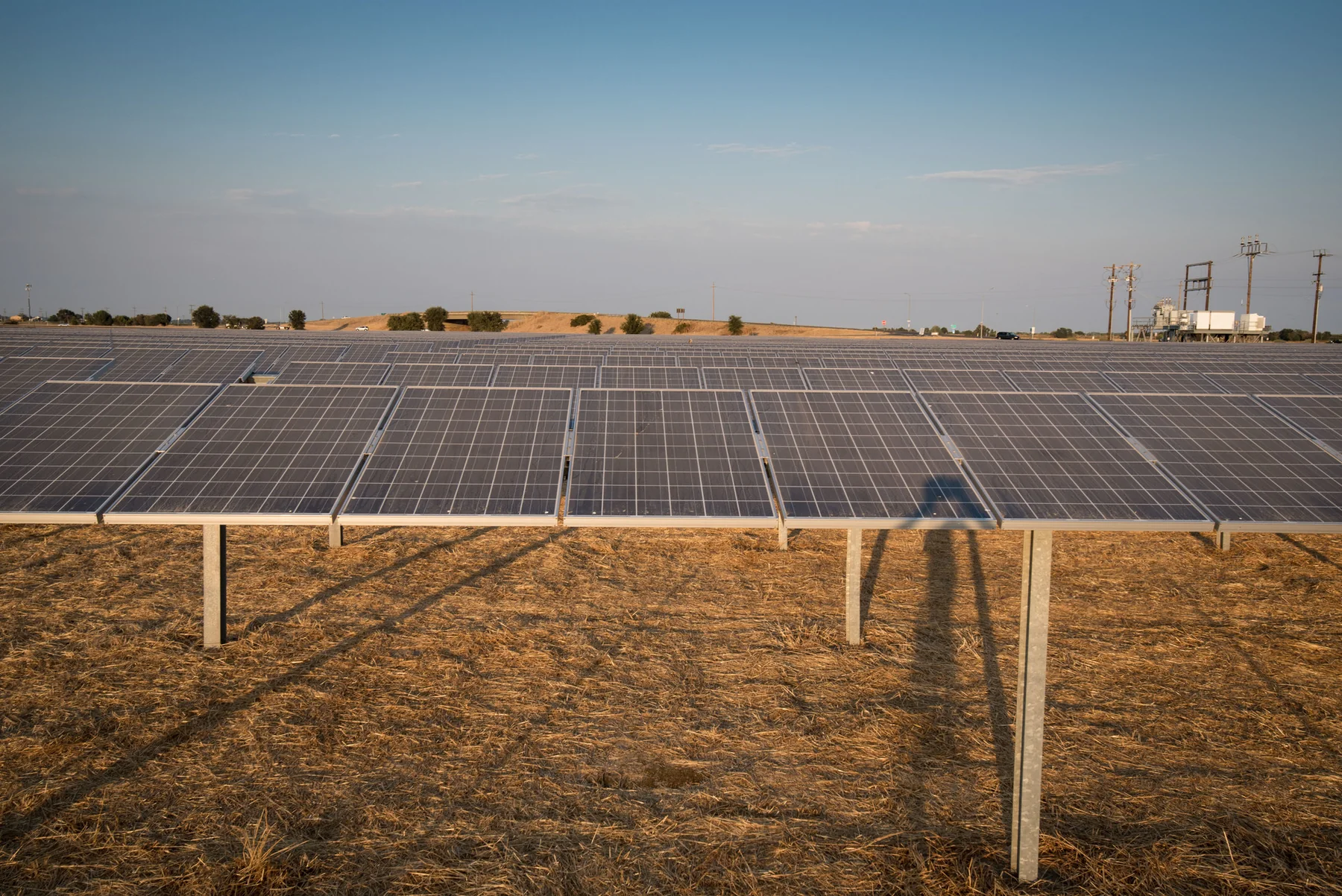 Photo: Chris Allan; U.S. Department of Energy · Public domain (U.S. Department of Energy government work) · Image resized and converted to WebP.
Practise responding to review findings with factual corrections, owners and closure evidence.
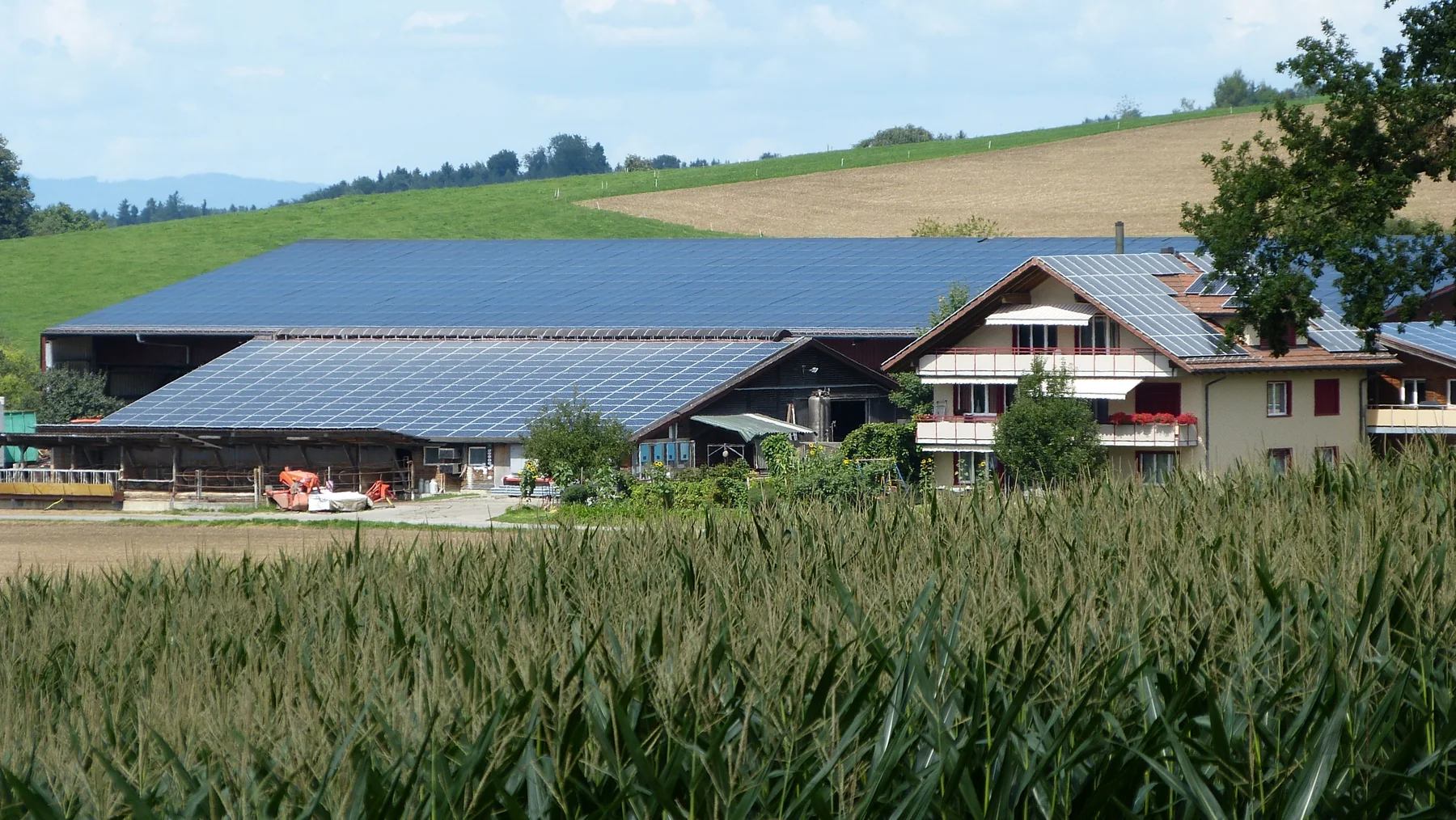 Photo: GabrielleMerk · CC BY-SA 4.0 · Image resized and converted to WebP; this adaptation is shared under CC BY-SA 4.0.
Prepare an internal note that separates validation, verification and certification status from external claims.
Human review: Not a carbon reduction, cost saving, compliance result, certification decision, assurance conclusion or financing eligibility assessment.
Confirm the final syllabus, duration, dates, format and fees for your manufacturing team.
