


Screen a project concept
Define a prospective project boundary, activity and affected sources, then record the evidence needed to test whether a carbon-credit methodology could fit the fictional manufacturing case.
Carbon Tax, Carbon Credits & Carbon Markets
Learn how a Malaysian manufacturing SME can screen a carbon project idea, define a credible baseline, assess additionality, plan monitoring, and distinguish project reductions from issued credits. This practical course uses fictional factory cases to map responsibilities, evidence, stakeholder safeguards and standard-based development steps without promising credit issuance, market value or eligibility.
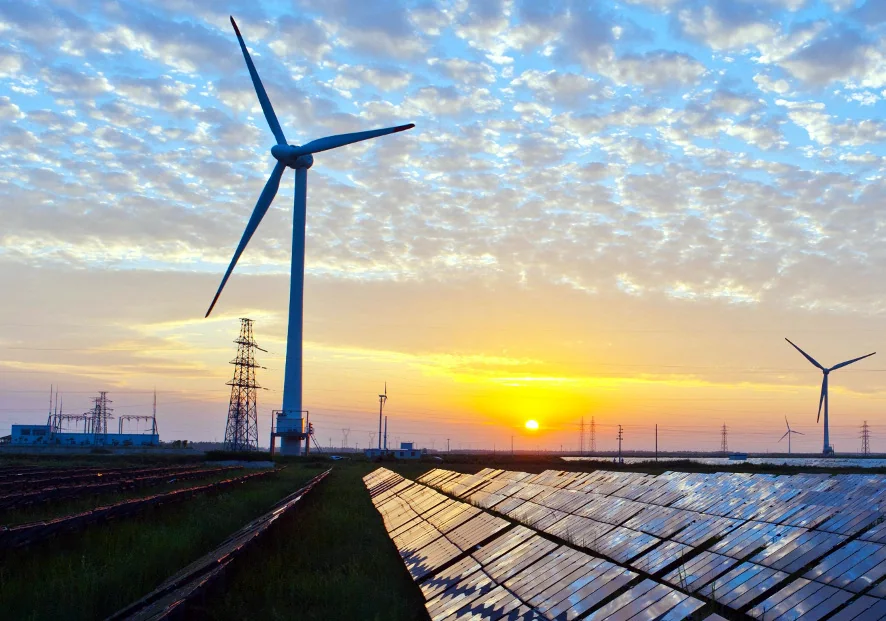
Category covers and course photos are illustrative licensed photographs, not AIGreen Plus staff, facilities or client results. Required creator and licence credits appear with each course photograph.
This comparison keeps concept design, measured evidence and independent review distinct so participants do not treat a draft idea as an issued credit.
| Decision / evidence | Project designActivity, boundary and baseline logic | Monitoring evidenceData, parameters and review trail | External assessmentIndependent conformity checks |
|---|---|---|---|
| Main question | What activity and baseline are proposed? | Can the required parameters be measured? | Does the submission meet program requirements? |
| Typical evidence | Site map, methodology fit and assumptions | Meters, logs, invoices and calculation file | Project description, monitoring report and reviewer findings |
| Timing | Before implementation or registration pathway | During a defined monitoring period | Validation and later verification stages |
| Decision boundary | Draft concept is not approval | Records support quantification but not issuance | Program decision is not a training result |
Program rules, methodologies, host-country processes and issuance decisions vary; this matrix is an educational comparison, not a project eligibility determination. Course content is educational; verify current requirements against the linked official sources and the organisation's circumstances.
This course teaches Malaysian manufacturing SME teams how to move from a carbon project concept to a structured development plan. Participants practise defining boundaries, reviewing methodology fit, documenting baseline and additionality assumptions, planning monitoring evidence, considering stakeholders, and distinguishing validation, verification and possible issuance. Fictional factory exercises produce a screening card, baseline rationale, draft monitoring plan and readiness questions. The course supports informed enquiry and internal planning; it does not promise registration, credits, finance or compliance outcomes.
Define a prospective project boundary, activity and affected sources, then record the evidence needed to test whether a carbon-credit methodology could fit the fictional manufacturing case.
Compare plausible baseline scenarios with the proposed activity, document additionality questions, state assumptions and possible data limitations without treating a preliminary screen as an approved quantification.
Draft a practical monitoring outline linking parameters, equipment, records, responsibilities and review points to a defined monitoring period and future third-party assessment, with follow-up questions.
Map the proposed project-development pathway from concept and project description through external validation, monitoring, verification and possible issuance, while separating classroom outputs from eligibility decisions.
A fictional Malaysian metal-parts factory considers recovering heat from a process exhaust stream. Participants describe the activity boundary, compare it with the existing baseline, list affected equipment and identify which measurements would be needed before any methodology or credit discussion proceeds. The exercise ends with open questions, not a predicted quantity or issuance outcome.
A sanitised electronics plant case includes meter readings, maintenance logs, production data and missing invoices. Learners map each item to a monitoring parameter, owner, unit and review check, then mark assumptions that require technical confirmation. They practise building an evidence trail without treating incomplete records as verified emission reductions or project eligibility.
A fictional manufacturer drafts a website statement saying its efficiency project creates verified credits. Teams separate the measured internal improvement from any future project claim, check whether validation or verification has occurred, and prepare a short enquiry list for the selected program and qualified advisers before publication.
This is a fictional learning example, not client results.
Stated basis: Defined list of required records for the same fictional monitoring period · 64 ÷ 100 and 82 ÷ 100.
Absolute difference: 18 percentage points. This is a comparison of the stated exercise values, not proof of improvement.
The exercise compares how much of a common record list is documented in two draft plans. It highlights completeness gaps for follow-up; it does not quantify emission reductions or prove eligibility.
This exercise does not demonstrate carbon reductions, credit issuance, compliance, certification, assurance or financing eligibility.
Final depth, exercises and delivery details are confirmed with AIGreen Plus before delivery.
On a small screen, scroll horizontally inside the course-outline table.
| Module | Focus | Key points | Practice |
|---|---|---|---|
| 01Carbon Credits and Project Logic | Build a plain-language foundation for project-based emission reductions, removals, carbon credits and the decisions that sit behind a potential project. |
| Classify fictional factory actions as internal reductions, project activities, offsets or unverified ideas, then record the evidence needed for each classification. |
| 02Concept Screening and Boundaries | Turn a factory opportunity into a bounded project concept by describing the activity, location, sources, operating period and likely methodology route. |
| Use a sanitised production-line case to draw project boundaries, mark excluded sources and list three questions for a methodology-fit review. |
| 03Baseline and Additionality | Examine baseline scenarios and additionality questions so a project concept is compared with a credible counterfactual rather than assumed to create reductions. |
| Compare two fictional heat-recovery scenarios with a baseline case, identify missing evidence and write a cautious additionality question for review. |
| 04Quantification and Monitoring Design | Connect selected parameters, measurement methods, units, frequency and quality checks to a monitoring plan that can support later project assessment. |
| Build a draft monitoring table for a fictional boiler-efficiency project, linking each parameter to a source, frequency, owner and quality check. |
| 05Stakeholders and Safeguards | Consider people, communities, suppliers and environmental receptors that may be affected by a project, alongside engagement, safeguards and evidence of responsible management. |
| Review a fictional factory waste-heat project, map affected stakeholders and draft proportionate engagement, safeguard and escalation questions for later review. |
| 06Project Description and Evidence | Assemble a traceable project file that links the activity description, methodology, maps, assumptions, calculations, records and responsible reviewers to named evidence. |
| Populate a fictional project-description index with a site map, baseline note, monitoring table, assumptions log and owner for each missing document. |
| 07Validation, Verification and Issuance | Distinguish project-design validation from monitoring-period verification and understand why any issuance depends on the selected program's rules, evidence and decisions. |
| Sequence fictional project documents through design review, monitoring, external validation, verification and possible issuance, flagging decisions outside the classroom and requiring program confirmation. |
| 08Claims and Project Readiness | Apply disciplined language to internal reductions, offsets and project-credit discussions while identifying unresolved evidence, market and professional-advice questions before public communication. |
| Rewrite fictional marketing statements about a factory project, adding scope, evidence status and review ownership without claiming credits, returns or certification. |
This draft uses factory-based project files, visual decision points and evidence exercises; it describes proposed course design, not proven superiority, client results or guaranteed project outcomes.
| Focus | Proposed approach | Factory relevance |
|---|---|---|
| Factory-to-project storyline | Use a fictional manufacturing line to connect activity boundaries, baseline choices, data owners and monitoring decisions. | Participants can relate project-development concepts to equipment, records and responsibilities found in a factory. |
| Methodology-fit checkpoint | Screen a proposed methodology before discussing calculations, quantities or possible credit issuance. | Teams see why a project concept needs a program-specific route rather than an assumed credit formula. |
| Evidence and assumptions log | Label records, assumptions, gaps and review responsibilities in one structured project file. | Manufacturers can distinguish measured information from estimates before seeking external assessment. |
| Claims boundary | Use rewrite exercises to separate internal reductions, offsets, project credits and possible issuance. | Leaders can ask focused questions before making public claims or relying on unverified project language. |
It introduces project boundaries, methodology screening, baseline and additionality questions, monitoring evidence, stakeholder safeguards, project descriptions, external review and careful claims. The course uses fictional manufacturing cases so participants can practise development thinking without treating a draft concept as an approved project or issued credit.
It is intended for Malaysian manufacturing SME owners and managers in operations, engineering, sustainability, quality, data, finance or procurement. Participants should be able to describe a possible factory activity and involve the people who own relevant records, technical decisions and approvals.
A factory improvement may reduce an organisation's own emissions and support its inventory. A carbon project is developed under a selected program with defined boundaries, baseline logic, monitoring and review requirements. The course teaches the distinction without deciding whether a particular activity qualifies or should generate credits.
A baseline describes the comparison scenario against which project effects may be assessed. Additionality asks whether the activity would occur without the relevant project incentive or program context. Participants document evidence and uncertainties; they do not treat a simple financial comparison or classroom exercise as proof.
Useful approved materials may include equipment lists, process maps, meter data, fuel or electricity records, production information, maintenance logs, monitoring procedures and stakeholder notes. Bring anonymised or sanitised examples only, and mark estimates, missing periods, units and data owners rather than filling gaps by guesswork.
A methodology sets program-specific requirements for defining and quantifying an activity, while monitoring gathers the parameters and records needed during a defined period. The course practises a methodology-fit screen and a draft monitoring table; the selected program and qualified specialists must confirm applicability.
In the course's program-based examples, validation concerns the proposed project design and verification concerns monitored results for a period. The exact roles, procedures and approval steps depend on the selected program. Neither classroom practice nor a draft document is independent validation, verification or certification.
No. It provides educational exercises and readiness questions only. Registration, validation, verification, issuance, buyer acceptance, financing and any Malaysian or host-country requirements depend on the selected program, evidence, current rules and independent decisions. Obtain appropriate professional advice before relying on a project or claim.
No. The course can help a team organise questions about boundaries, methodology, monitoring and stakeholders, but it is not a legal, tax, regulatory or project-eligibility assessment. Confirm current Malaysian and program requirements with the relevant official source and an appropriately qualified person.
Dates, delivery format, duration and fees are not fixed in this draft. Please enquire with the course title, participant roles and project-learning priorities so the available arrangements, preparation requirements and final scope can be confirmed without sharing confidential factory information.
Carbon Credit Fundamentals and Carbon Project Development — proposed practice flow; people remain responsible for evidence, decisions and any operational change.
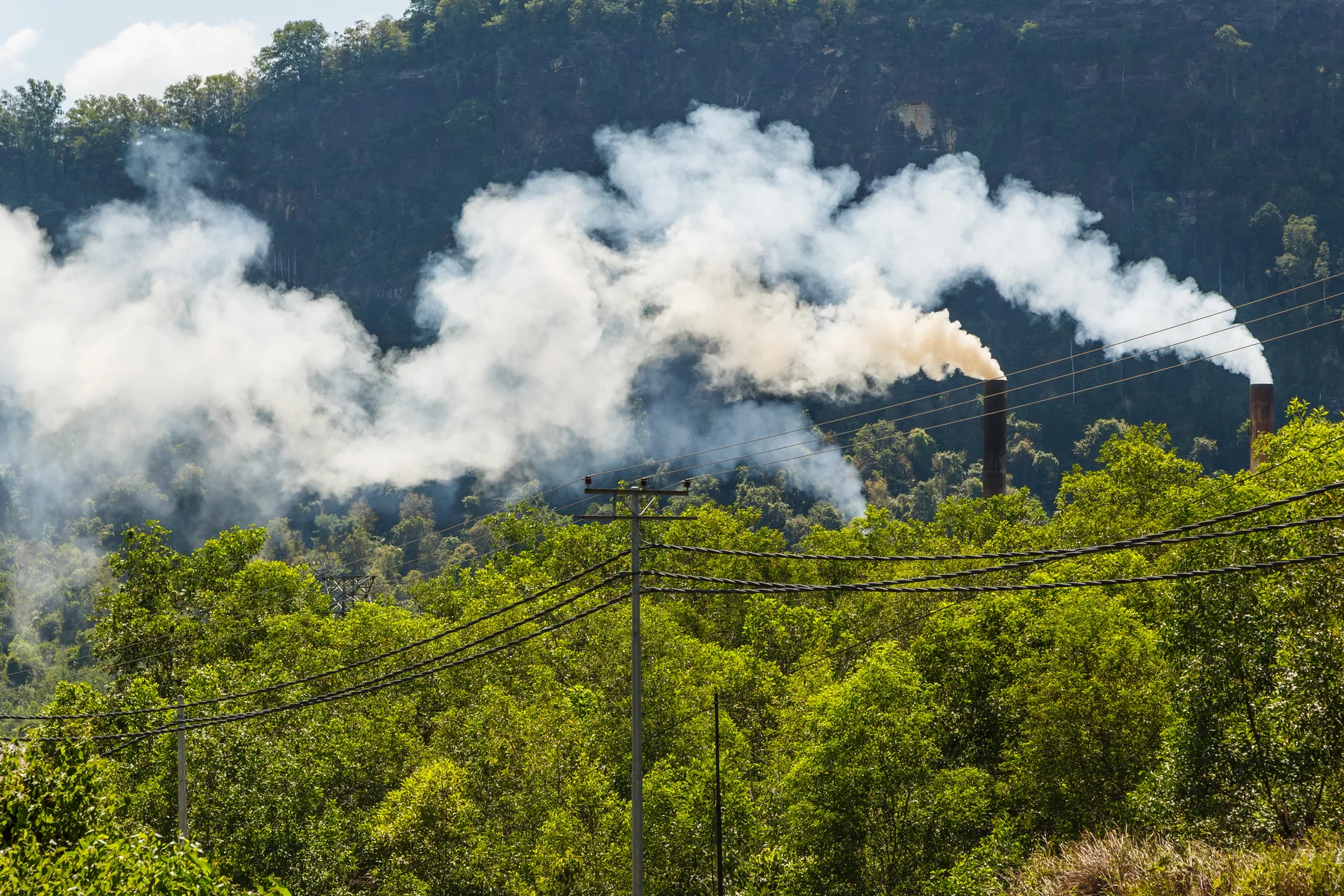 Photo: CEphoto, Uwe Aranas · Creative Commons Attribution-ShareAlike 3.0 Unported (CC BY-SA 3.0) · Image resized and converted to WebP; this adaptation is shared under CC BY-SA 3.0.
Test whether the fictional activity has a clear boundary, plausible methodology route and identifiable evidence needs.
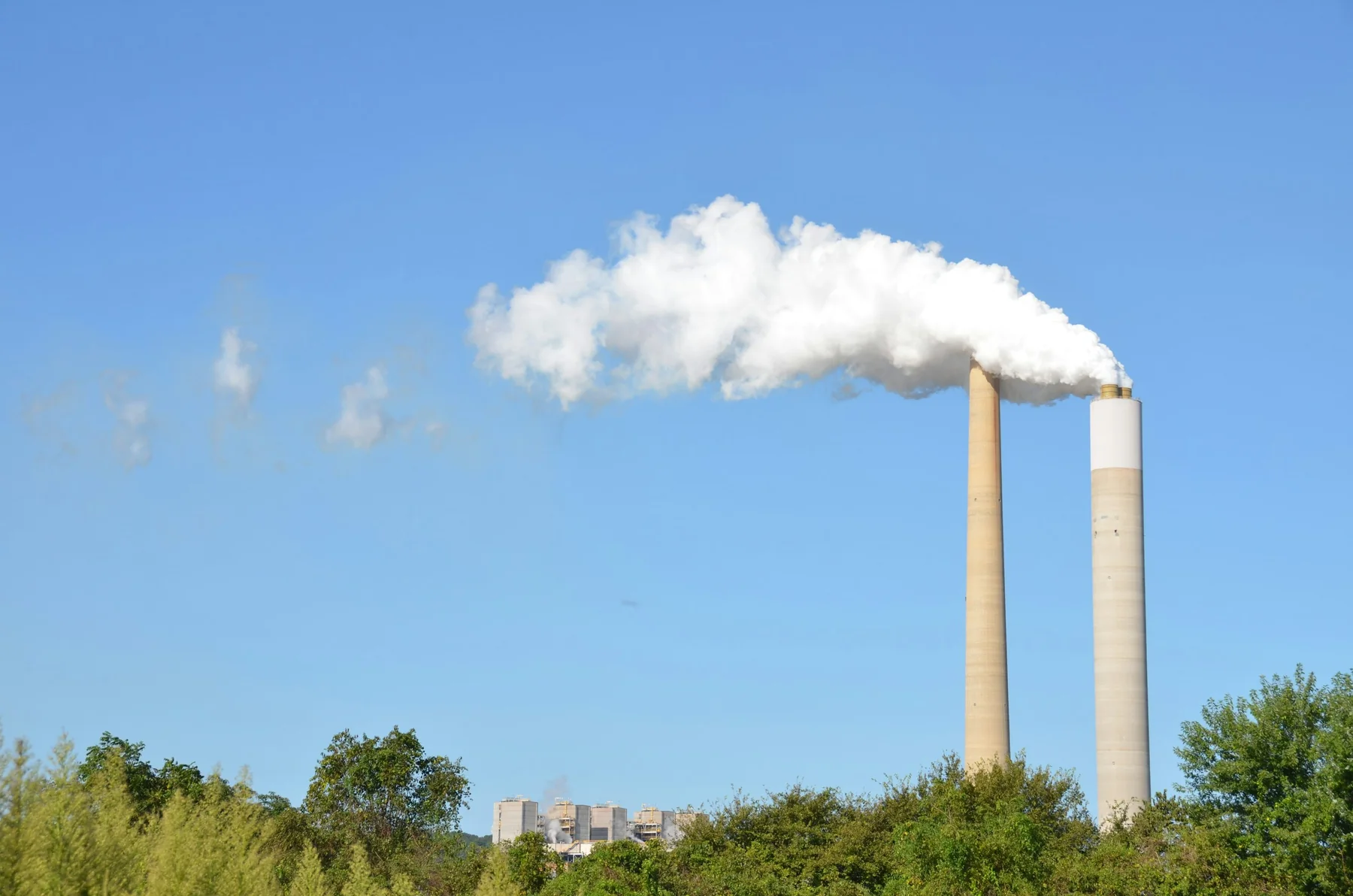 Photo: Roger Starnes Sr (@rstar50) · Unsplash License · Image resized and converted to WebP.
Define sources, sinks, reservoirs, operating period and exclusions before discussing potential reductions.
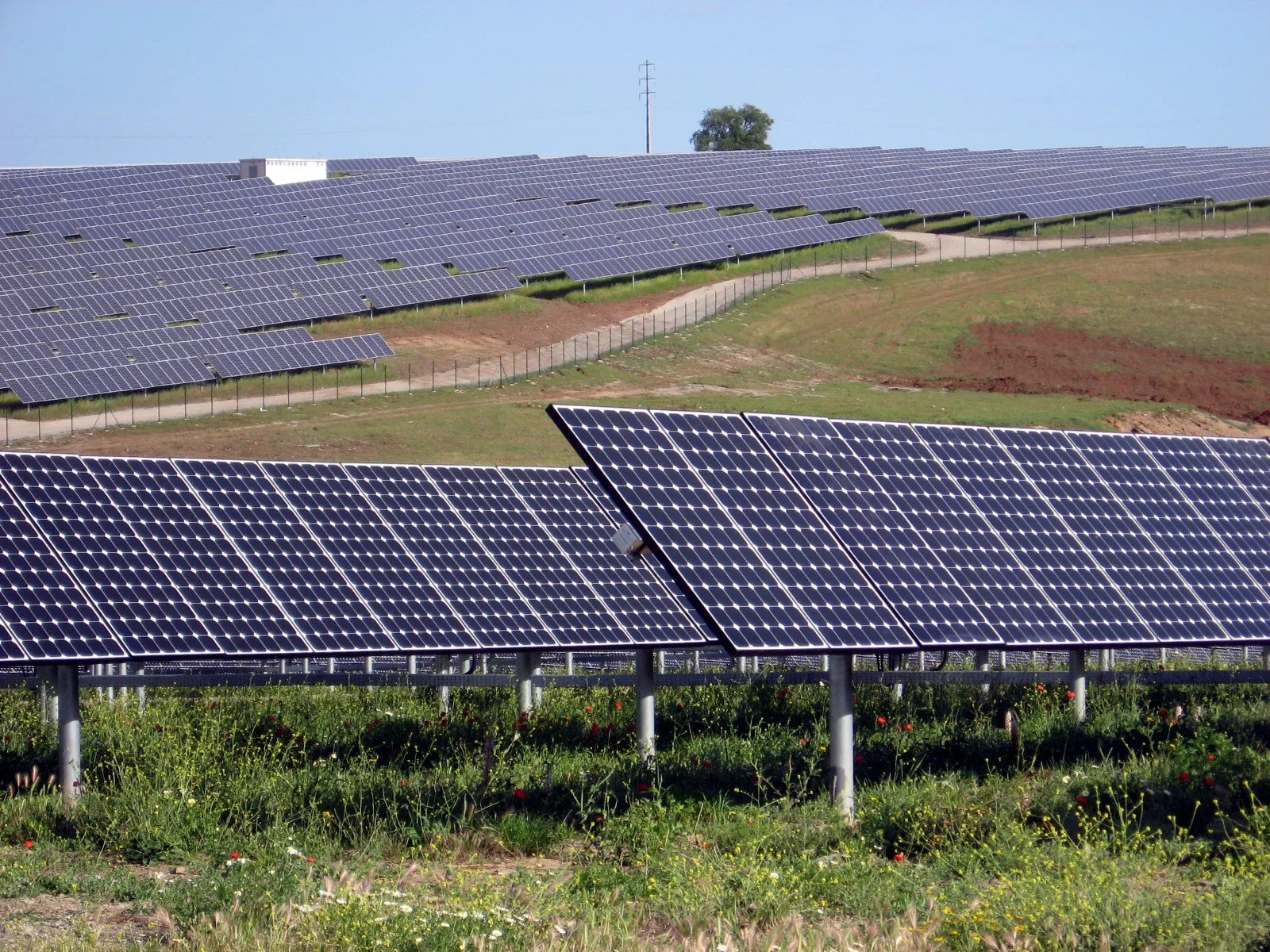 Photo: Ceinturion (original uploader at English Wikipedia) · Creative Commons Attribution-ShareAlike 3.0 Unported (also listed with GFDL 1.2+) · Image resized and converted to WebP.
Compare a plausible baseline scenario with the proposed activity and label additionality assumptions for review.
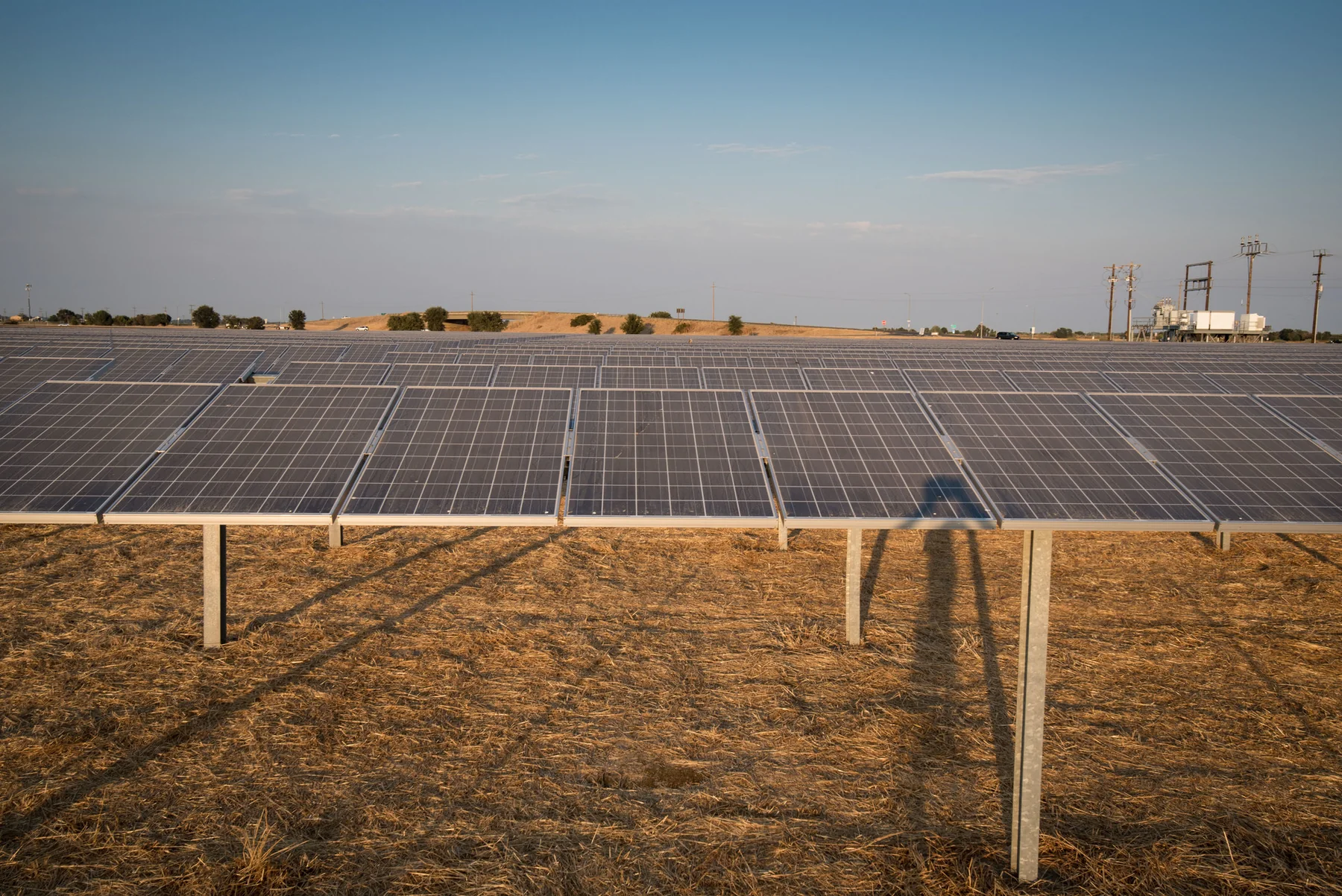 Photo: Chris Allan; U.S. Department of Energy · Public domain (U.S. Department of Energy government work) · Image resized and converted to WebP.
Assign parameters, units, frequency, records and quality checks for a fictional monitoring period.
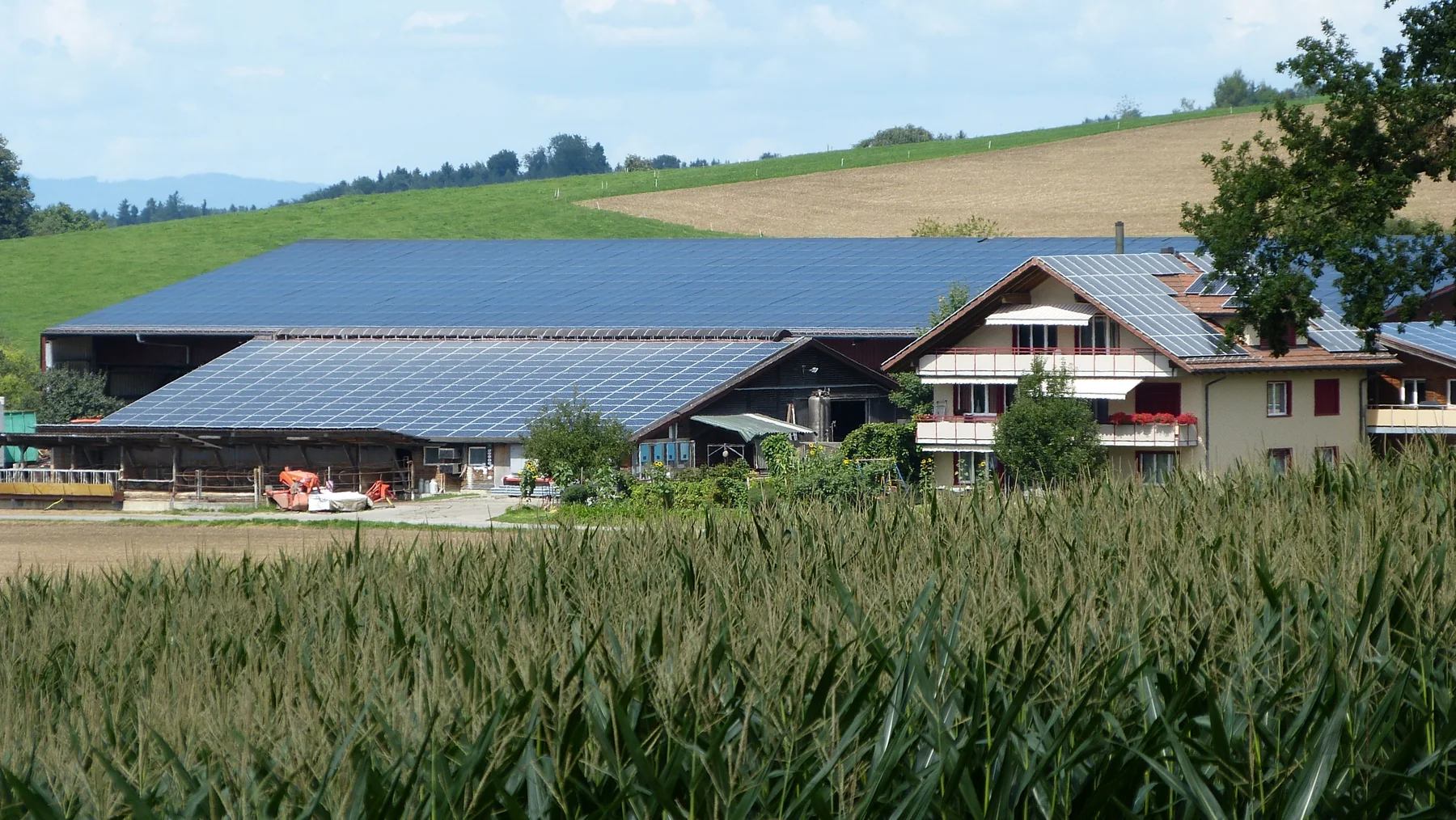 Photo: GabrielleMerk · CC BY-SA 4.0 · Image resized and converted to WebP; this adaptation is shared under CC BY-SA 4.0.
Map the chosen program's submission, validation, verification and issuance steps without predicting eligibility or credits.
Human review: This exercise does not demonstrate carbon reductions, credit issuance, compliance, certification, assurance or financing eligibility.
Confirm the final syllabus, duration, dates, format and fees for your manufacturing team.
