


Define a product scope
Define a product, functional unit, reference flow, reference period and boundary that a factory team can explain consistently to reviewers.
Carbon Accounting & GHG Management
Product Carbon Footprint Assessment gives Malaysian manufacturing SMEs a practical way to define a product, map its life-cycle stages, collect activity data, select transparent factors and review a simple PCF calculation. Participants practise evidence checks, allocation decisions and careful communication so a product result is not confused with a corporate inventory or an assurance opinion.
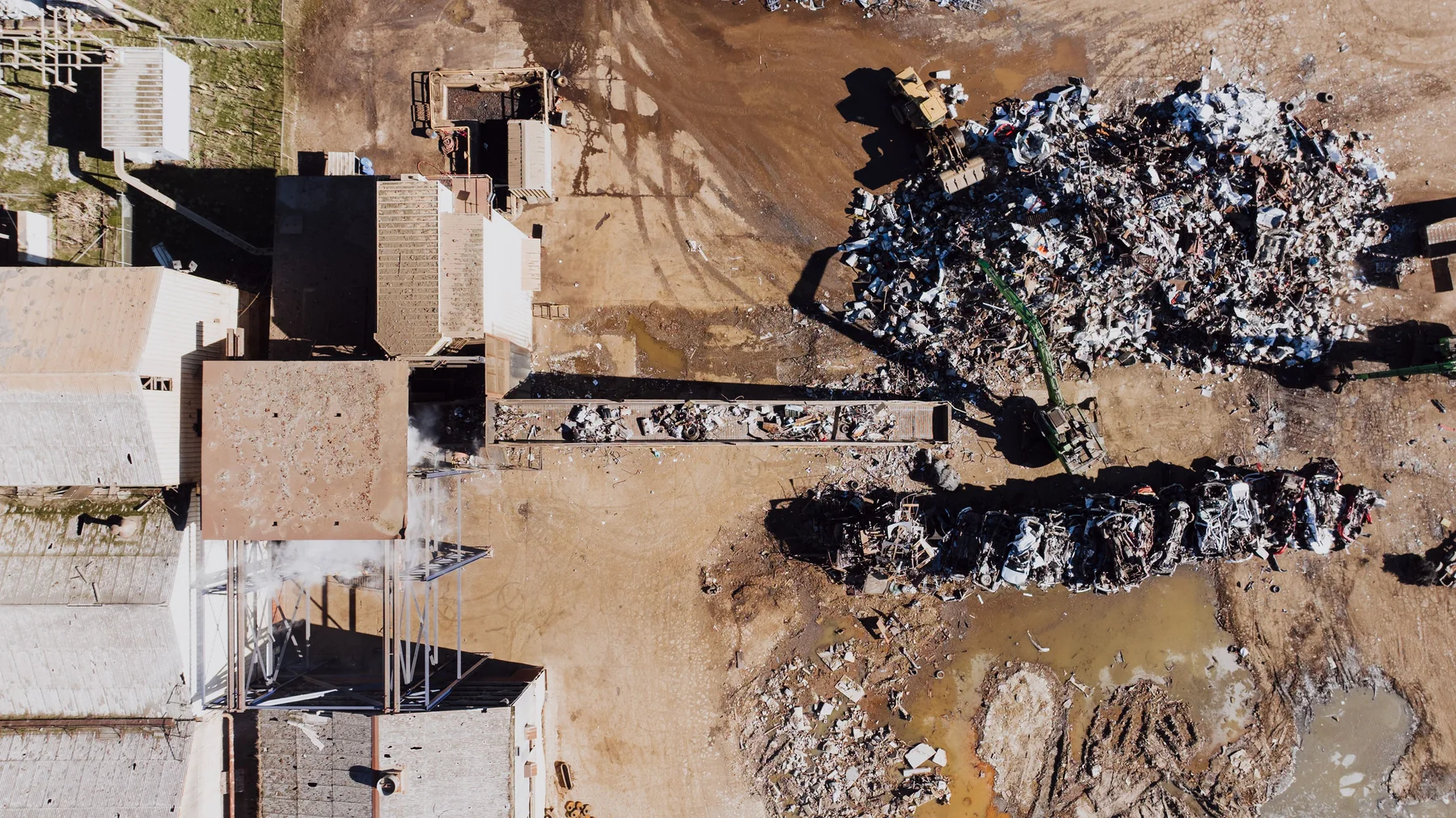
Category covers and course photos are illustrative licensed photographs, not AIGreen Plus staff, facilities or client results. Required creator and licence credits appear with each course photograph.
A product result is only interpretable when each life-cycle stage, evidence source and reporting choice is stated against the same functional unit.
| Decision / evidence | Cradle-to-gateInputs through factory dispatch | Use phaseCustomer operation assumptions | End-of-lifeDisposal or recovery route |
|---|---|---|---|
| Boundary question | Which inputs and processes make the product? | How does the customer use it? | What happens after use? |
| Evidence to gather | Bills, utilities, packaging and freight | Lifetime, energy or maintenance assumptions | Collection, recycling or disposal assumptions |
| Common uncertainty | Supplier factors or shared production | Real-world use varies by context | Route and recovery data may be incomplete |
| Responsible use | Report plant-to-gate scope clearly | Do not assume use without support | Do not imply a full-life result if omitted |
Stage inclusion depends on the stated functional unit, product use and justified boundary; a cradle-to-gate result is not a full-life-cycle CFP. Course content is educational; verify current requirements against the linked official sources and the organisation's circumstances.
This course teaches Malaysian manufacturing SME teams how to frame a product carbon footprint around a functional unit, boundary and reference period, then trace materials, energy, transport, use and end-of-life evidence where relevant. Participants practise screening data quality, handling allocation, documenting assumptions and reviewing a fictional PCF worksheet. It serves owners, operations, sustainability, quality, procurement and finance colleagues who need a grounded product-level learning exercise, not a certification, assurance engagement or completed customer assessment.
Define a product, functional unit, reference flow, reference period and boundary that a factory team can explain consistently to reviewers.
Map material, energy, transport, use and end-of-life processes, then distinguish primary activity data, secondary factors, proxies and documented exclusions.
Evaluate data quality, emission-factor fit and allocation choices for co-products, recording assumptions, uncertainty signals and follow-up owners in a reviewable worksheet.
Interpret a fictional PCF result without treating it as a corporate inventory, verified claim, certification, assurance conclusion or evidence of future savings or financing eligibility.
A fictional plastics factory selects one component and maps resin, electricity, packaging and outbound freight to its functional unit. The team labels supplier factors, meter records, production quantities and proxies, then records one cradle-to-gate exclusion and the owner who must investigate it. No product claim is issued from the exercise.
A sanitised exercise follows two metal products through one coating line. Participants test whether process subdivision is possible, choose a stated physical allocation driver for the remaining shared activity and list evidence that could change the result, including production quantities, coating mass and line energy records.
A fictional packaging team receives a request for a lower-carbon product comparison. Learners check functional unit, boundary, factor sources, use-phase assumptions and review status, then draft a note that explains what the worksheet covers and avoids implying certification, assurance or an unmeasured reduction.
This is a fictional learning example, not client results, a verified PCF or a completed product assessment.
Stated basis: Cradle-to-gate PCF for one identical housing design over the same production month · 120 ÷ 1,000 and 100 ÷ 1,000.
Absolute difference: 0.02 kg CO2e per 1,000 housings / denominator unit. This is a comparison of the stated exercise values, not proof of improvement.
The worksheet illustrates how two bounded quantities can be compared against the same product reference flow; it does not establish a real reduction or explain causation.
Illustrative arithmetic only; it is not a verified PCF, carbon reduction or cost-saving claim, compliance or certification, assurance, or financing eligibility.
Final depth, exercises and delivery details are confirmed with AIGreen Plus before delivery.
On a small screen, scroll horizontally inside the course-outline table.
| Module | Focus | Key points | Practice |
|---|---|---|---|
| 01PCF Purpose and Product Scope | Distinguish a product-level carbon footprint from a corporate GHG inventory and connect the exercise to a defined manufactured product and decision. |
| Using a fictional injection-moulded part, write its product description, intended decision, functional purpose and information requests without calculating emissions. |
| 02Functional Unit and Boundary | Set a functional unit, reference flow, reference period and system boundary before collecting data, with explicit treatment of partial or complete life-cycle coverage. |
| Compare cradle-to-gate and cradle-to-grave options for a fictional metal bracket, then justify one boundary in a one-page scope note. |
| 03Life-Cycle Process Mapping | Trace materials, packaging, manufacturing, transport, storage, customer use and end-of-life processes into an auditable product process map. |
| Map a fictional food-packaging product from resin extraction through factory dispatch, marking process owners, data sources and a missing downstream assumption. |
| 04Activity Data and Factors | Build a transparent activity-data table and select emission factors that match the material, geography, time period, unit and stated life-cycle process. |
| Review anonymised electricity, resin and freight records for a fictional component, then pair each activity with a factor or documented proxy. |
| 05Allocation and Co-Products | Handle shared equipment, co-products and recycled outputs by testing process subdivision, physical relationships and other justified allocation choices. |
| Allocate a fictional coating line between two products using a stated physical driver, then note what additional evidence could change the choice. |
| 06Calculation and Data Quality | Combine activity data and factors in a simple worksheet while checking completeness, consistency, accuracy, transparency and unit conversions. |
| Complete a sanitised worksheet for one product batch, reconcile its bill of materials and electricity, and highlight one result needing review. |
| 07Interpretation and Improvement | Interpret contribution results to find hotspots, test information needs and frame improvement options without claiming reductions that have not been measured. |
| Compare two fictional packaging scenarios with the same functional unit, then identify which hotspot deserves better evidence before any public comparison. |
| 08Report and Communicate Responsibly | Prepare a concise PCF evidence note that states scope, units, assumptions, exclusions, data quality and review limits before any customer-facing statement. |
| Rewrite a fictional low-carbon product statement into a bounded evidence note that names the study scope, comparison basis and pending review. |
This proposed design uses boundary-first worksheets, factory evidence mapping and claim-review practice; it describes course design, not proven superiority or guaranteed results.
| Focus | Proposed approach | Factory relevance |
|---|---|---|
| Boundary-first learning | Participants define product function, unit, period and life-cycle boundary before entering activity data. | A manufacturer can see whether a number describes the factory gate or a wider product life cycle. |
| Factory evidence mapping | Exercises connect bills of materials, meters, packaging, freight and supplier inputs to a named process owner. | Teams can locate practical records and expose data gaps instead of hiding uncertainty in a single total. |
| Allocation decision practice | Shared processes are tested through subdivision and stated physical relationships before a simple allocation choice is recorded. | Co-products and shared equipment receive an explicit rationale that reviewers can question or improve. |
| Claim-review gate | A final evidence note states scope, assumptions, factors and review status before a customer-facing statement is considered. | Product communications stay aligned with the studied unit and boundary rather than implying assurance or certification. |
Here it means a product-level accounting exercise for greenhouse gas emissions associated with a stated life-cycle scope and functional unit. The course follows the distinction between individual products and corporate inventories, using a fictional worksheet rather than issuing a completed PCF for a company.
A corporate inventory totals an organisation's emissions across corporate boundaries and reporting scopes. A PCF follows a defined product and its life-cycle processes. They can inform related decisions, but one result cannot be substituted for the other without a clearly explained method and boundary.
Not always for the learning exercise. Participants compare cradle-to-gate and wider boundaries, state what is included, and record justified exclusions. A cradle-to-gate result must not be described as a complete life-cycle CFP when use or end-of-life processes are outside the stated boundary.
Approved sample bills of materials, production quantities, utility data, packaging, freight, supplier factors and process notes are useful starting points. Bring only anonymised or sanitised records authorised for learning. The exercise labels period, unit, source, proxy use and data gaps instead of inventing missing values.
It describes the product function and reference quantity used for comparison within the study. Consistent functional units help connect material, energy and logistics data to the same product service. Participants practise recording the unit and reference flow before calculations, then checking that inputs reconcile to it.
Participants classify primary records, secondary factors and proxies, then check their fit for material, geography, time period and unit. The course does not prescribe one database or guarantee data availability. A factor choice is recorded with its source, limitation and a follow-up owner when evidence is weak.
The module introduces process subdivision and allocation choices for shared equipment or co-products. Learners state the allocation basis, test the physical relationship where possible and document uncertainty. A training exercise cannot decide a company's final method without reviewing its process, product function and applicable requirements.
PCF focuses on the climate-change impact category for a product, while a broader LCA can study additional environmental categories. ISO 14067 specifies principles, requirements and guidelines for product carbon-footprint quantification and reporting; this course is educational and is not an ISO assessment.
Participants practise a bounded evidence note, not a verified claim, certification, assurance opinion or customer declaration. Any communication should match the stated functional unit, boundary, evidence quality and review status. Product comparisons need compatible scopes and appropriate product rules or methods rather than a lower number alone.
This content draft does not fix dates, duration, delivery format, participant materials or fees. Enquire with the product type, participant roles, preferred scope and learning priorities. Confirm the current syllabus and arrangements before scheduling, and do not send confidential factory data in the enquiry.
Product Carbon Footprint Assessment — proposed practice flow; people remain responsible for evidence, decisions and any operational change.
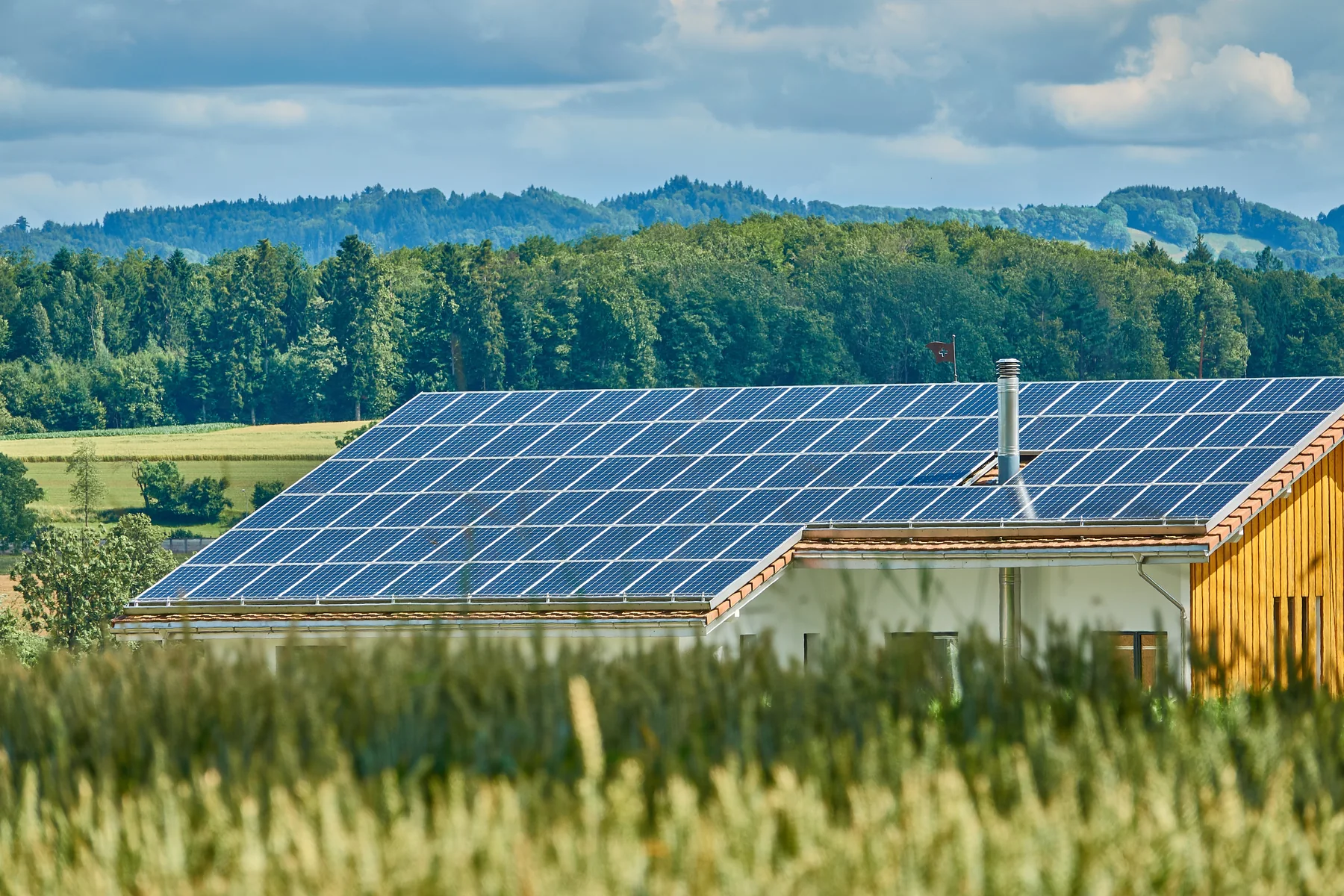 Photo: Roy Bury · Creative Commons CC0 1.0 Universal Public Domain Dedication · Image resized and converted to WebP.
Agree product, function, reference flow and study period before gathering numbers.
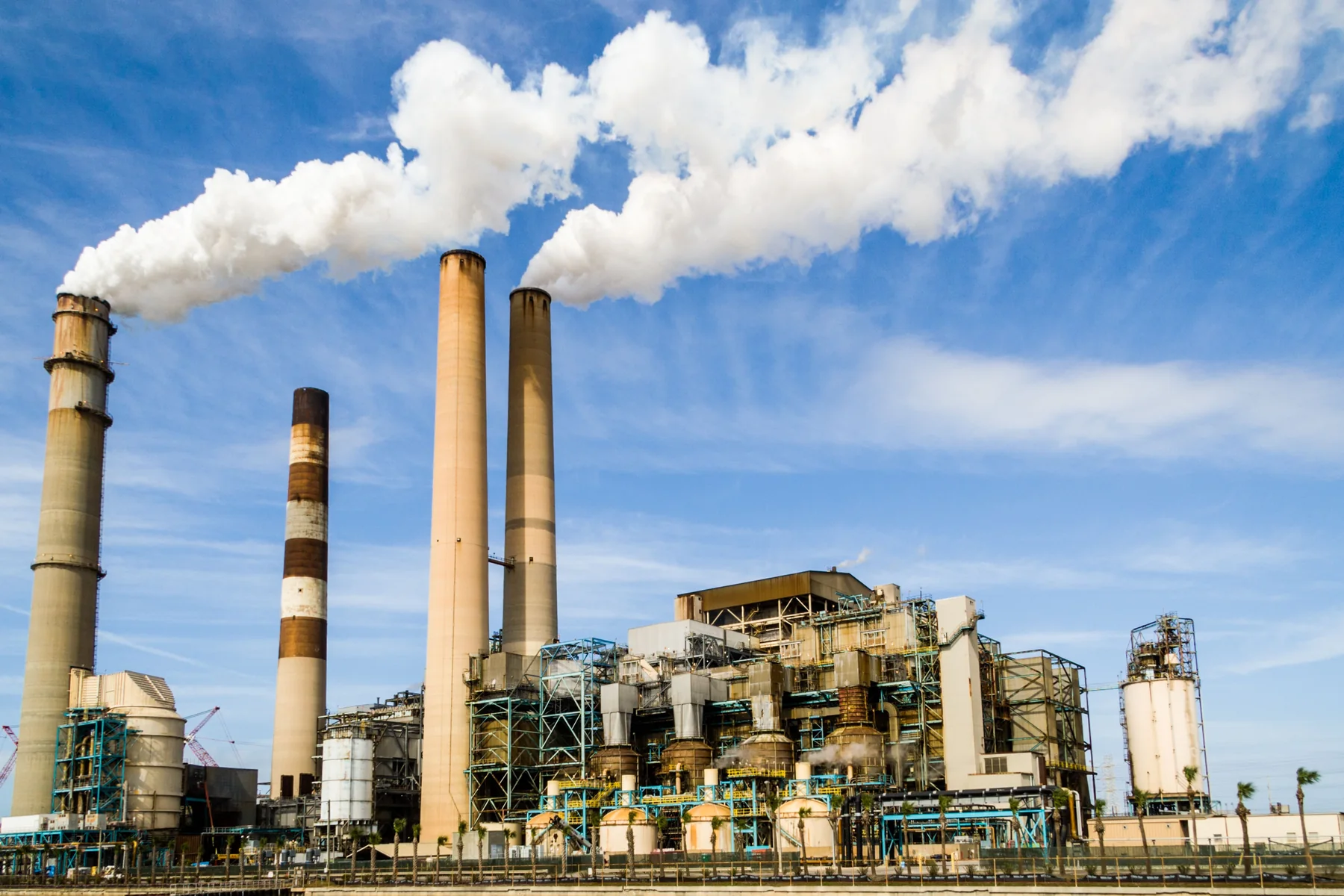 Photo: Pixabay · Pexels License (free commercial use; attribution not required) · Image resized and converted to WebP.
Map attributable processes and flag use, transport and end-of-life links relevant to the chosen boundary.
 Photo: Thomas Parker · Pexels License (free commercial use) · Image resized and converted to WebP.
Collect approved activity records and suitable factors, then label units, dates, sources and proxy use.
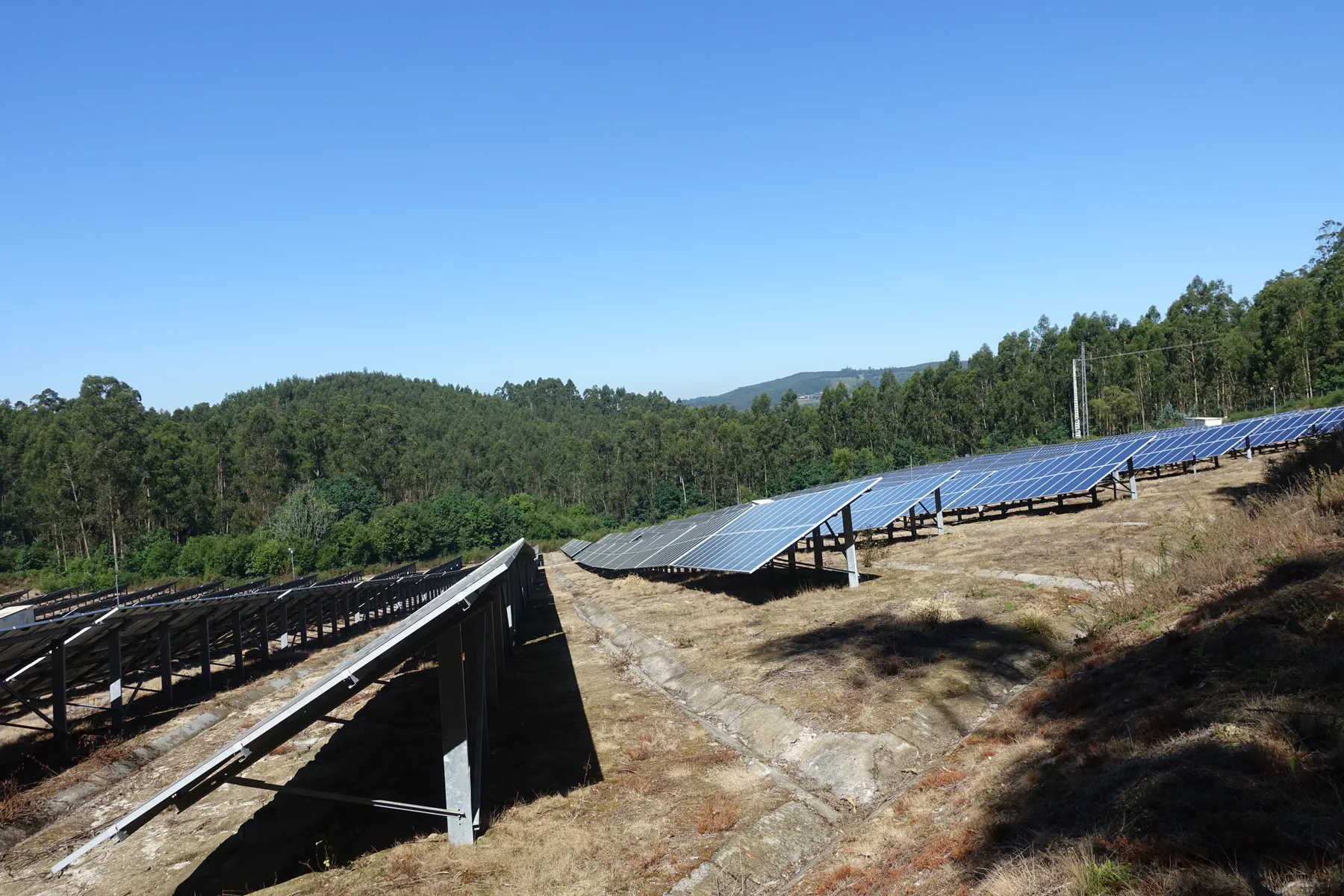 Photo: Joseolgon · Creative Commons Attribution-ShareAlike 4.0 International (CC BY-SA 4.0) · Image resized and converted to WebP; this adaptation is shared under CC BY-SA 4.0.
Test unit conversions, shared-process allocation, completeness and assumptions in a fictional calculation worksheet.
 Photo: Jonathan Lim · Unsplash License · Image resized and converted to WebP.
Interpret hotspots and draft a bounded communication note without claiming certification, assurance or unmeasured reductions.
Human review: Illustrative arithmetic only; it is not a verified PCF, carbon reduction or cost-saving claim, compliance or certification, assurance, or financing eligibility.
Confirm the final syllabus, duration, dates, format and fees for your manufacturing team.
