


Define inventory boundaries
Define an organisational and operational boundary for a fictional factory, then identify which fuel, process, purchased-energy and value-chain sources belong inside the inventory and why.
Carbon Accounting & GHG Management
A practical course for Malaysian manufacturing SMEs to map organisational and operational boundaries, classify Scope 1, Scope 2 and Scope 3 sources, organise activity data, test simple calculations and build an evidence trail. Participants practise a corporate inventory workflow while separating estimates, product carbon footprint work, reduction claims and assurance questions.
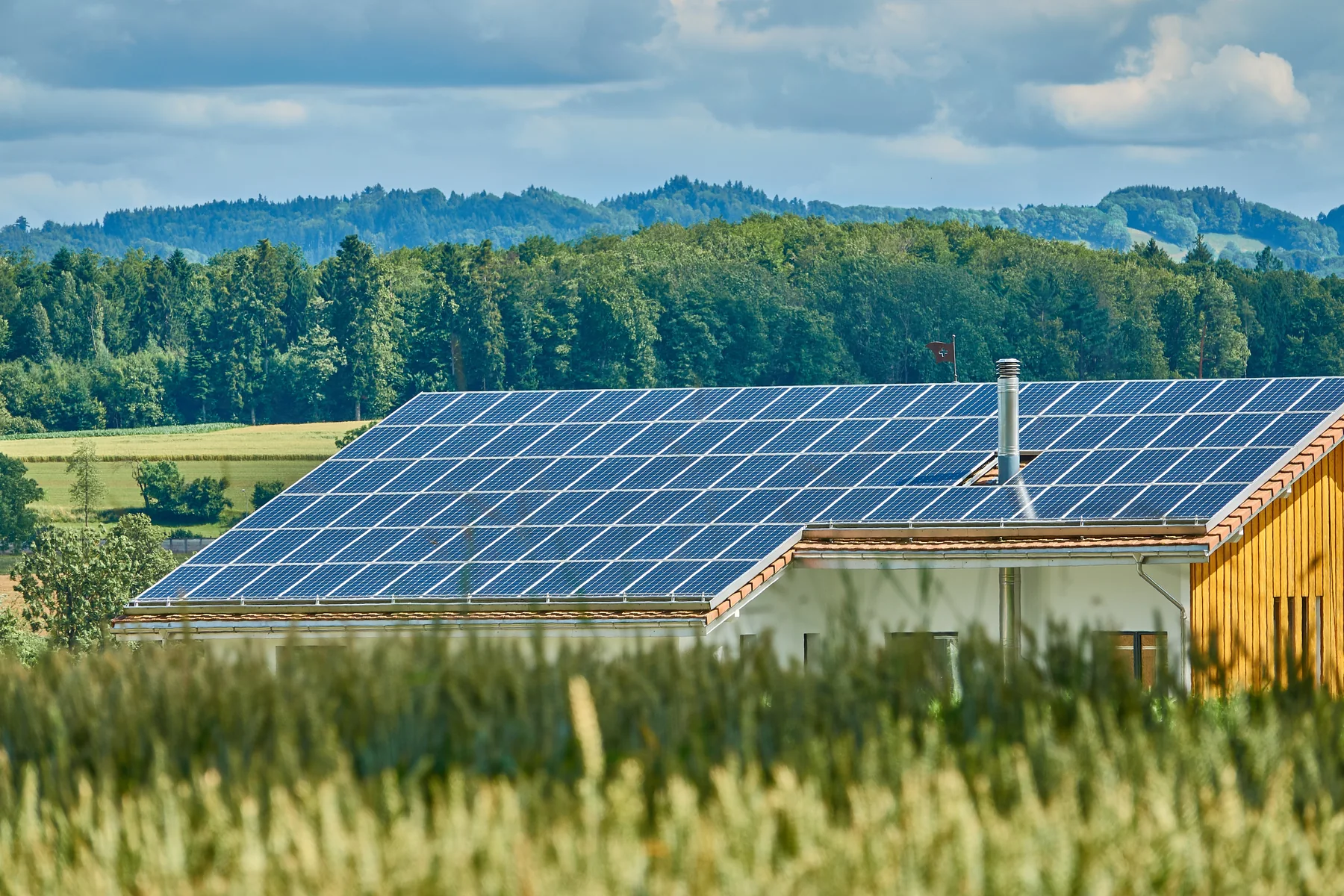
Category covers and course photos are illustrative licensed photographs, not AIGreen Plus staff, facilities or client results. Required creator and licence credits appear with each course photograph.
Use the matrix to distinguish source type, typical factory evidence and the decision a learner must document.
| Decision / evidence | Scope 1Owned or controlled sources | Scope 2Purchased or acquired energy | Scope 3Value-chain activities |
|---|---|---|---|
| Source question | What fuel, process or fugitive source is owned or controlled? | What electricity, steam, heat or cooling was purchased or acquired? | What upstream or downstream activity sits beyond operations? |
| Factory evidence | Fuel, process and refrigerant logs | Utility bills, meters and supplier records | Purchasing, logistics, waste and supplier records |
| Review lens | Boundary, unit, period and source owner | Site coverage, period, supplier and contract evidence | Category relevance, data quality and supplier follow-up |
| Avoid confusion | Not purchased-energy emissions | Not every renewable claim is an emissions reduction | Not a product LCA or PCF by itself |
The matrix supports learning classification only; a complete inventory, factor choice, disclosure and assurance treatment require the applicable method, evidence and qualified review. Course content is educational; verify current requirements against the linked official sources and the organisation's circumstances.
This course teaches Malaysian manufacturing teams how to define an inventory boundary, classify direct, purchased-energy and value-chain emissions, organise activity data and emission-factor references, and document assumptions. Through fictional factory exercises, participants practise a scope register, data request, calculation worksheet and review checklist. It is designed for SME owners and operations, finance, procurement, facilities and sustainability roles; it does not provide assurance, certification, a filing or a promised emissions result.
Define an organisational and operational boundary for a fictional factory, then identify which fuel, process, purchased-energy and value-chain sources belong inside the inventory and why.
Create a topic-specific scope register that records source, activity data, unit, period, emission-factor reference, owner, evidence status and an explicit review note for follow-up discussions.
Practise a transparent calculation worksheet using simple hypothetical inputs, clear assumptions and a review trail, without presenting the exercise as measured client performance or assurance.
Draft a proportionate inventory review pack that separates corporate GHG accounting from product LCA, offsets, disclosure frameworks, verification and certification decisions requiring separate confirmation by the appropriate owner.
A fictional metal-parts SME receives electricity bills, diesel logs, refrigerant service notes and a supplier spend file. Participants sort each record by scope, reporting period, unit, owner and evidence quality. They then sketch a source register and identify missing activity data, without converting the exercise into a claimed corporate footprint or reduction result.
A fictional plastics processor compares two electricity records and reviews a renewable-energy contract. Learners check site coverage, period, units, supplier documentation and contractual details before discussing what can support a purchased-energy calculation. The exercise emphasises transparent assumptions and review questions rather than treating procurement language as proof of an emissions reduction.
A fictional electronics assembler screens purchased materials, inbound freight, waste treatment and customer use information for Scope 3 relevance. Teams rank data requests, assign supplier owners and distinguish corporate value-chain accounting from a product carbon footprint. The output is a prioritised evidence plan, not a verified inventory, assurance opinion or customer claim.
This is a fictional learning example, not client results.
Stated basis: Same 16 approved records for the selected factory period · 8 ÷ 16 and 12 ÷ 16.
Absolute difference: 25 percentage points. This is a comparison of the stated exercise values, not proof of improvement.
The worksheet compares the share of records meeting the defined completeness rule before and after a hypothetical review; it does not attribute any inventory change to training.
This simple completeness illustration is not a GHG reduction, cost saving, compliance result, certification, assurance opinion or financing eligibility.
Final depth, exercises and delivery details are confirmed with AIGreen Plus before delivery.
On a small screen, scroll horizontally inside the course-outline table.
| Module | Focus | Key points | Practice |
|---|---|---|---|
| 01Inventory Purpose and Boundaries | Set the corporate inventory purpose, organisational boundary and operational boundary before collecting numbers, using a fictional Malaysian factory to make inclusion decisions visible. |
| Map a fictional metal-parts factory, its leased warehouse and contract operations, then mark boundary choices, excluded sources and questions for management review. |
| 02Scope 1 Source Classification | Classify direct emissions from owned or controlled sources, including stationary fuel, mobile fuel, process activity and fugitive releases, while preserving source evidence. |
| Review sanitised fuel, refrigerant and process logs from a fictional factory, then build a Scope 1 source card with owner, unit and evidence gap. |
| 03Scope 2 Purchased Energy | Build a purchased-energy data trail for electricity, steam, heat or cooling, and discuss contractual information without treating instruments as automatic reductions. |
| Compare two fictional electricity records and a renewable-energy contract, identifying period, site, supplier evidence and questions before a Scope 2 worksheet is completed. |
| 04Scope 3 Value-Chain Screening | Screen upstream and downstream value-chain activities, prioritise material data requests and distinguish corporate Scope 3 accounting from product-level LCA or PCF. |
| Screen a fictional electronics assembler's materials, logistics, waste and sold products, then prioritise three Scope 3 data requests with named evidence owners. |
| 05Activity Data and Factors | Turn operational records into traceable activity data and factor references, checking units, periods, completeness and assumptions before any illustrative emissions calculation. |
| Convert mock electricity, diesel and purchased-material records into a source ledger, then highlight unit mismatches, missing periods and factor questions for review. |
| 06Calculation and Review Controls | Practise simple source-level calculations and review controls, presenting hypothetical totals with transparent formulas rather than implying a verified inventory or reduction result. |
| Use three fictional source lines to complete a small calculation table, reperform one line and record an unresolved assumption without claiming a verified result. |
| 07Evidence Ownership and Governance | Create a repeatable evidence workflow for owners, requests, versioning and review, so a small manufacturer can explain where figures came from and what remains uncertain. |
| Build a fictional evidence tracker for four factory sources, assigning owners, due dates, document versions and review decisions without using confidential company data. |
| 08Claims and Related Boundaries | Connect inventory outputs to cautious internal communication, separating measured data, estimates, reductions, offsets, product studies, disclosure frameworks and assurance decisions. |
| Rewrite fictional factory statements about Scope 3 progress, offsets and assurance into evidence-based internal notes with scope, status, owner and review caveats. |
This proposed course design uses scope maps, source ledgers and review exercises for learning; it does not claim proven superiority or guarantee an inventory outcome.
| Focus | Proposed approach | Factory relevance |
|---|---|---|
| Three-scope decision map | Learners classify factory sources against Scope 1, Scope 2 or Scope 3 using boundary prompts and evidence cards. | Teams can see why a source belongs in a corporate inventory before requesting data. |
| Manufacturing record trail | Exercises start with utility bills, fuel logs, service records and purchasing information, then add units, periods and owners. | The work reflects records a smaller factory may recognise while exposing gaps early. |
| Value-chain prioritisation | A fictional supplier-screening exercise ranks Scope 3 data requests by relevance, availability and review need. | Procurement and operations can focus limited time on defensible next questions. |
| Claim and assurance discipline | Review prompts separate estimates, reductions, offsets, product studies, disclosure and assurance decisions. | Managers receive a clearer boundary between learning outputs and claims requiring separate review. |
It covers inventory purpose, organisational and operational boundaries, Scope 1 direct sources, Scope 2 purchased energy, Scope 3 value-chain screening, activity data, factor references, evidence ownership and cautious communication. Exercises use fictional or sanitised factory information and produce learning worksheets rather than a certified inventory or reported client result.
Scope 1 concerns emissions from sources owned or controlled by the organisation. Scope 2 concerns purchased or acquired electricity, steam, heat and cooling. Scope 3 covers relevant upstream and downstream value-chain activities. The course uses source questions and evidence cards to practise classification before calculation.
Useful approved starting records may include electricity bills and meters, fuel receipts or logs, refrigerant service notes, process data, purchasing records, logistics information, waste documents and supplier questionnaires. Bring anonymised or sanitised material, and label period, unit, owner, source and data gaps rather than filling gaps by guesswork.
The course introduces Scope 3 screening across relevant upstream and downstream activities and uses a prioritisation exercise. The GHG Protocol Scope 3 framework describes fifteen categories, but a company's applicable categories, data method and boundary require an organisation-specific assessment rather than an automatic conclusion.
Participants review site coverage, period, supplier information, contractual details and supporting evidence before discussing purchased-energy accounting. A renewable-energy contract or instrument is not treated as automatic proof of an emissions reduction; the course keeps data quality, method and transparent disclosure questions visible.
No. The course treats corporate Scope 3 accounting as a value-chain inventory question and product carbon footprint work as a product-level assessment. Learners practise keeping those boundaries separate, because a corporate inventory exercise does not by itself establish a product footprint or a product claim.
The proposed exercises use fictional, anonymised or organisation-approved records and simple hypothetical inputs. A live company inventory would require agreed scope, current methods, suitable data, factor choices, review controls and management decisions. Training outputs are not an emissions filing, assurance opinion, site audit or certification.
It distinguishes measured inventory reductions from offsets and credit claims so participants do not mix unlike concepts. The GHG Protocol Corporate Standard is focused on emissions accounting and reporting, not quantifying mitigation projects for offset or credit use. Any separate claim needs its own current requirements and qualified review.
No. This is a GHG inventory learning course, not IFRS S1 or IFRS S2 disclosure advice, Bursa reporting advice or a legal applicability determination. Malaysian manufacturing SMEs and listed issuers have different contexts; confirm current official requirements and any reporting decision with an appropriately qualified person.
The draft does not fix dates, delivery format, duration or fees. Enquire with the course title, participant roles and learning priorities to confirm the current scope, materials, preparation requirements and quotation. Do not send confidential factory data, and do not assume training includes certification, assurance or funding eligibility.
Greenhouse Gas (GHG) Accounting: Scope 1, Scope 2 and Scope 3 — proposed practice flow; people remain responsible for evidence, decisions and any operational change.
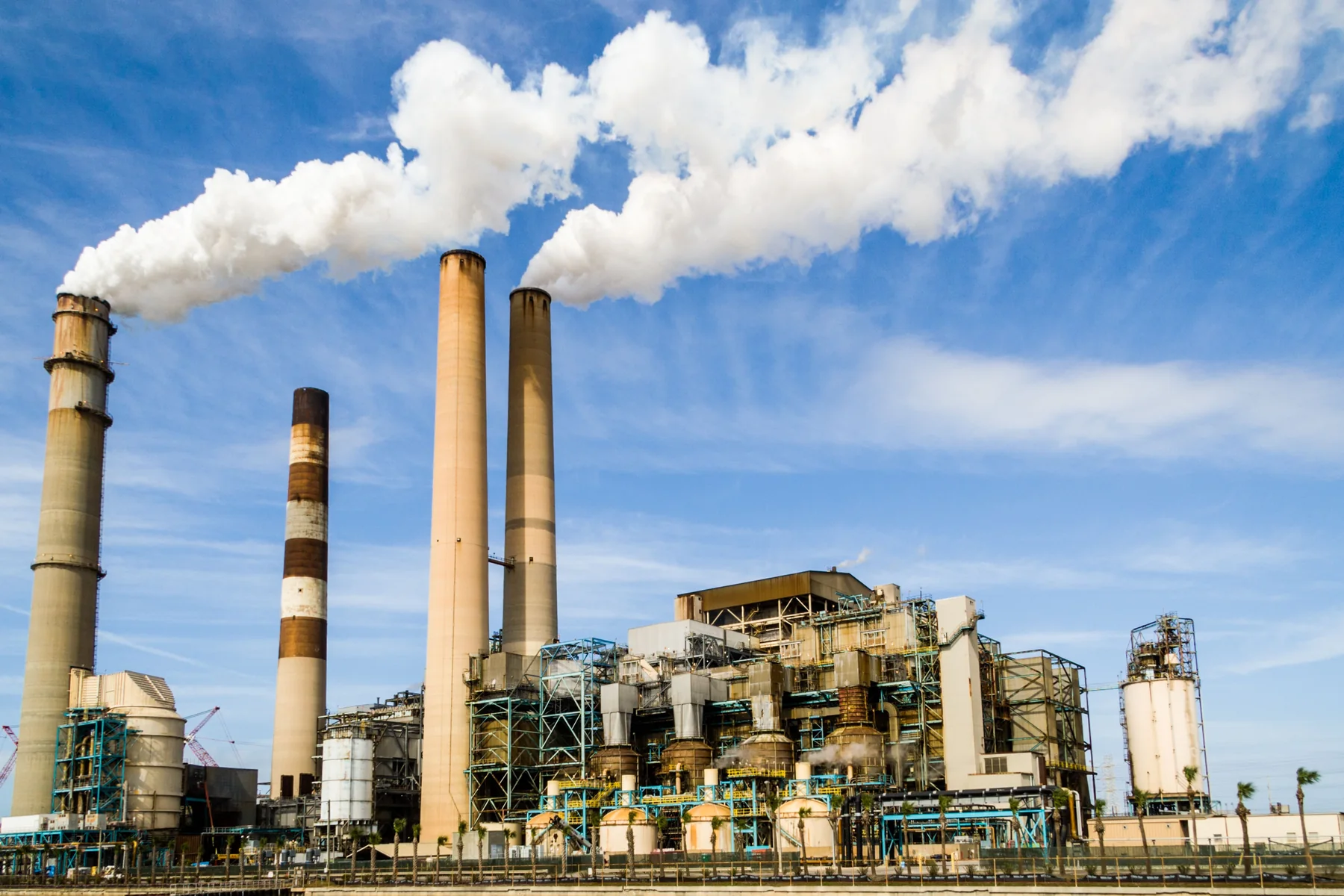 Photo: Pixabay · Pexels License (free commercial use; attribution not required) · Image resized and converted to WebP.
Choose organisational and operational boundaries before collecting source data.
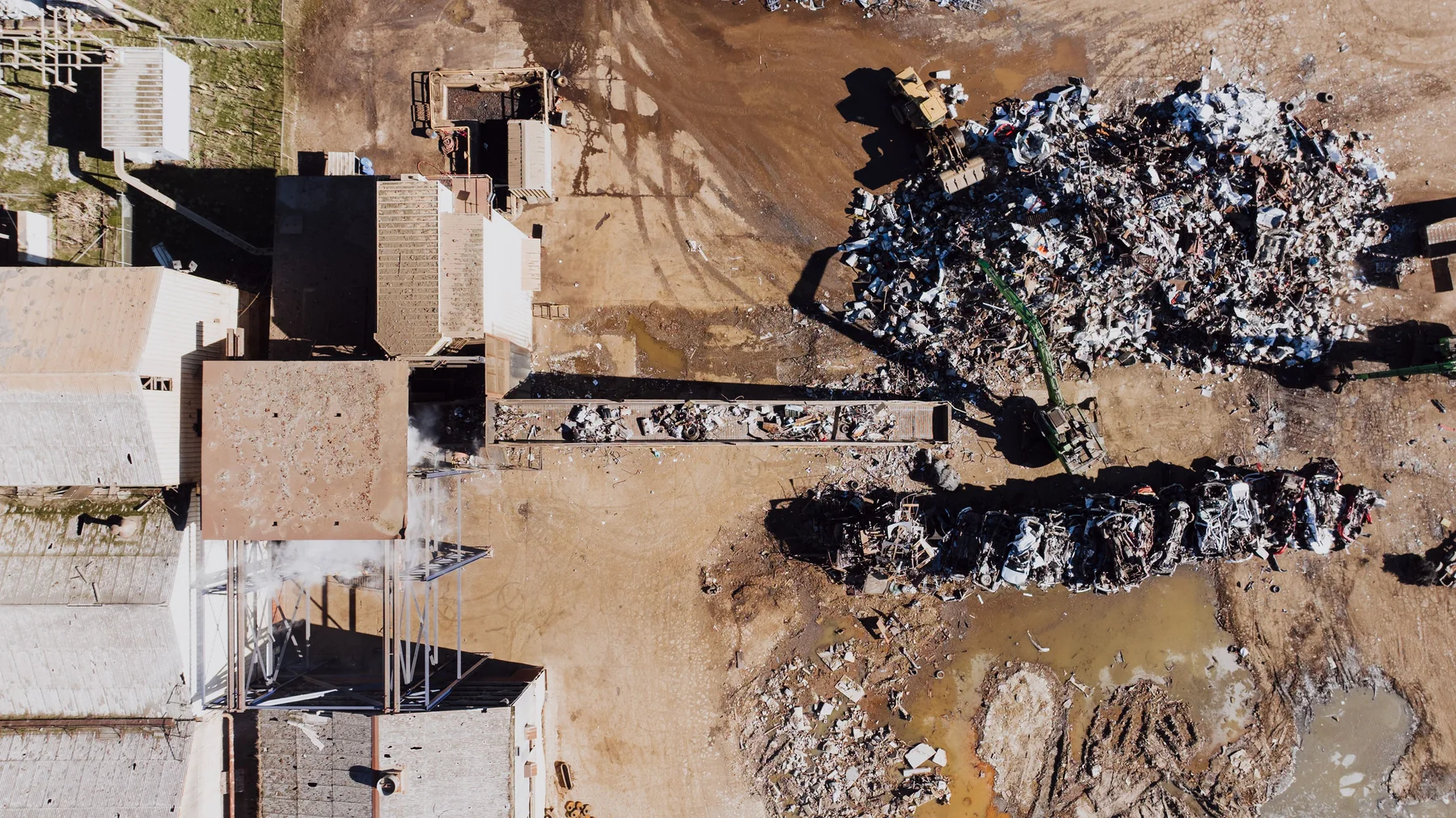 Photo: K (Pexels profile: https://www.pexels.com/@kelly/) · Pexels License · Image resized and converted to WebP.
Identify fuel, process, purchased-energy and value-chain sources across the factory.
 Photo: Thomas Parker · Pexels License (free commercial use) · Image resized and converted to WebP.
Collect approved records with units, periods, owners and supplier context.
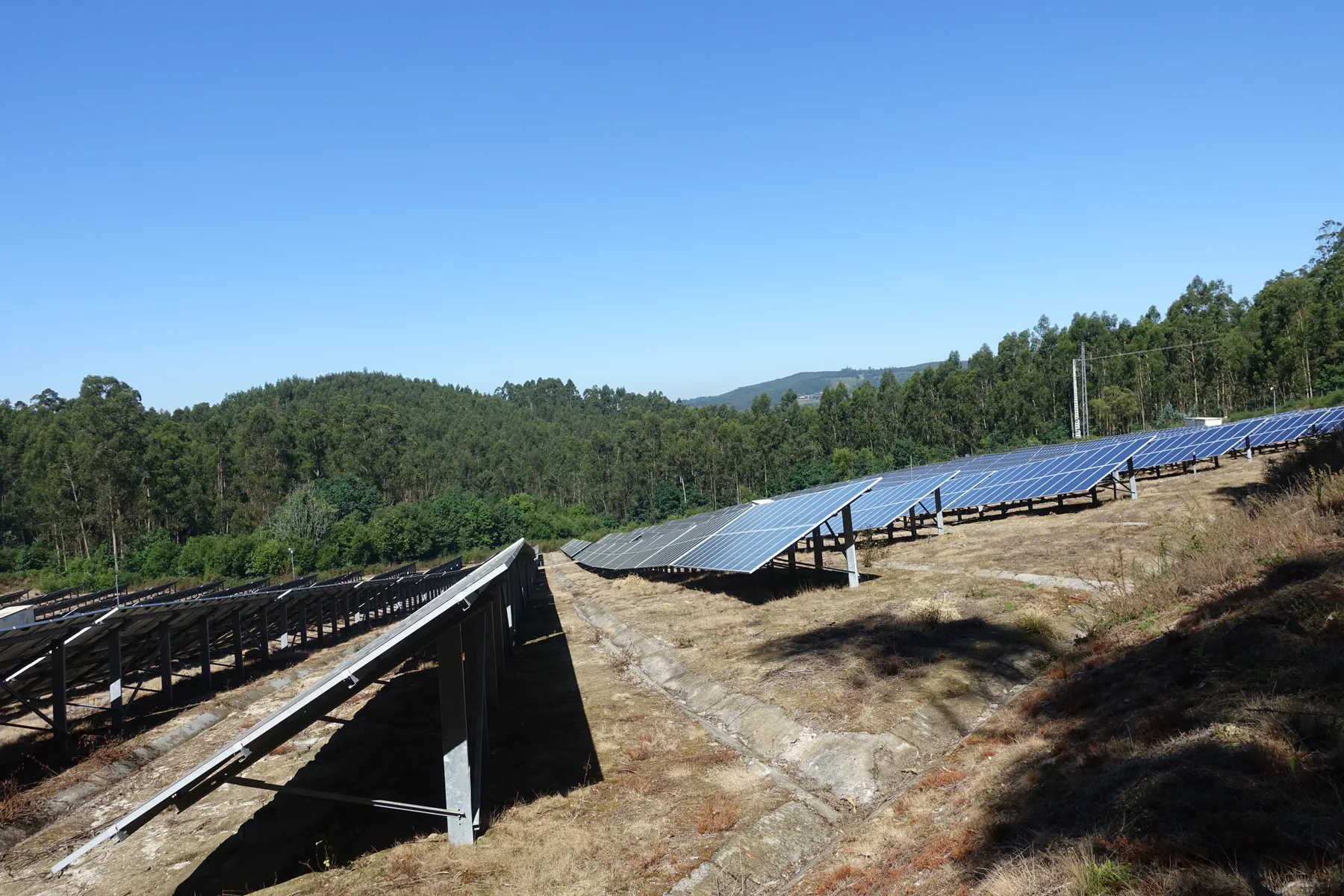 Photo: Joseolgon · Creative Commons Attribution-ShareAlike 4.0 International (CC BY-SA 4.0) · Image resized and converted to WebP; this adaptation is shared under CC BY-SA 4.0.
Apply simple hypothetical formulas and reperform a sample line with stated assumptions.
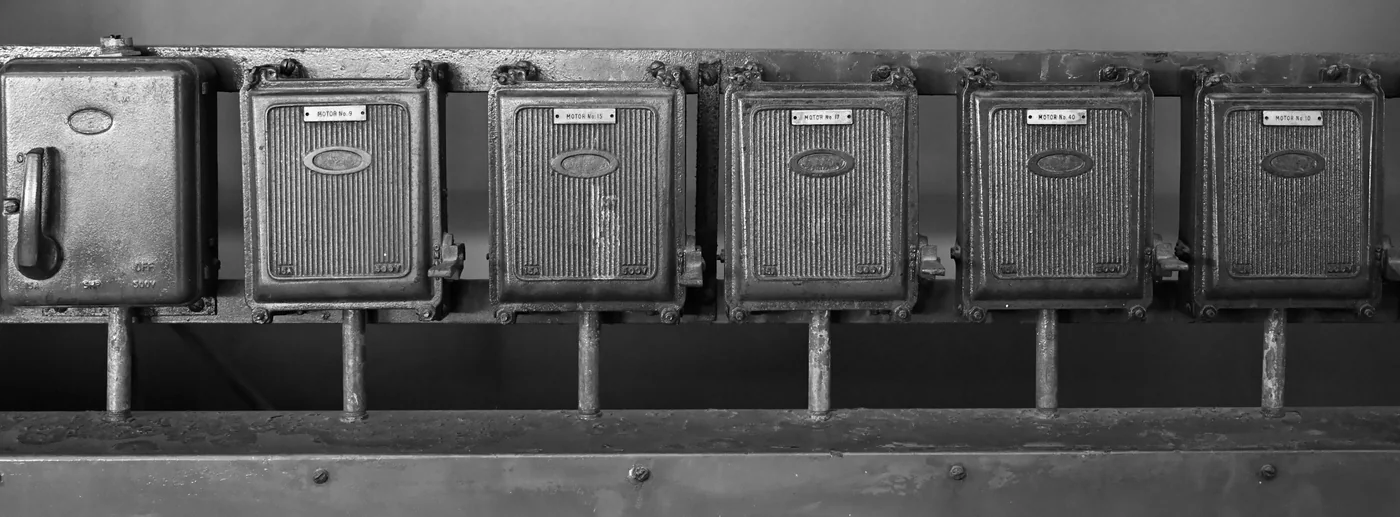 Photo: Jonathan Lim · Unsplash License · Image resized and converted to WebP.
Draft a cautious internal inventory note that separates facts, estimates and next decisions.
Human review: This simple completeness illustration is not a GHG reduction, cost saving, compliance result, certification, assurance opinion or financing eligibility.
Confirm the final syllabus, duration, dates, format and fees for your manufacturing team.
