


Set an inventory boundary
Draft a clear organisational and operational boundary that identifies included facilities, sources, reporting period and exclusions requiring follow-up, with a named review route for the selected reporting cycle.
Carbon Accounting & GHG Management
A practical course for Malaysian manufacturing SMEs to define an inventory boundary, map emission sources, organise activity data, record assumptions, check completeness and prepare a clear corporate carbon footprint report without confusing inventories with product assessments, offsets or assurance. The emphasis is an evidence-led workplace draft, not a promise of reductions or independent assurance.
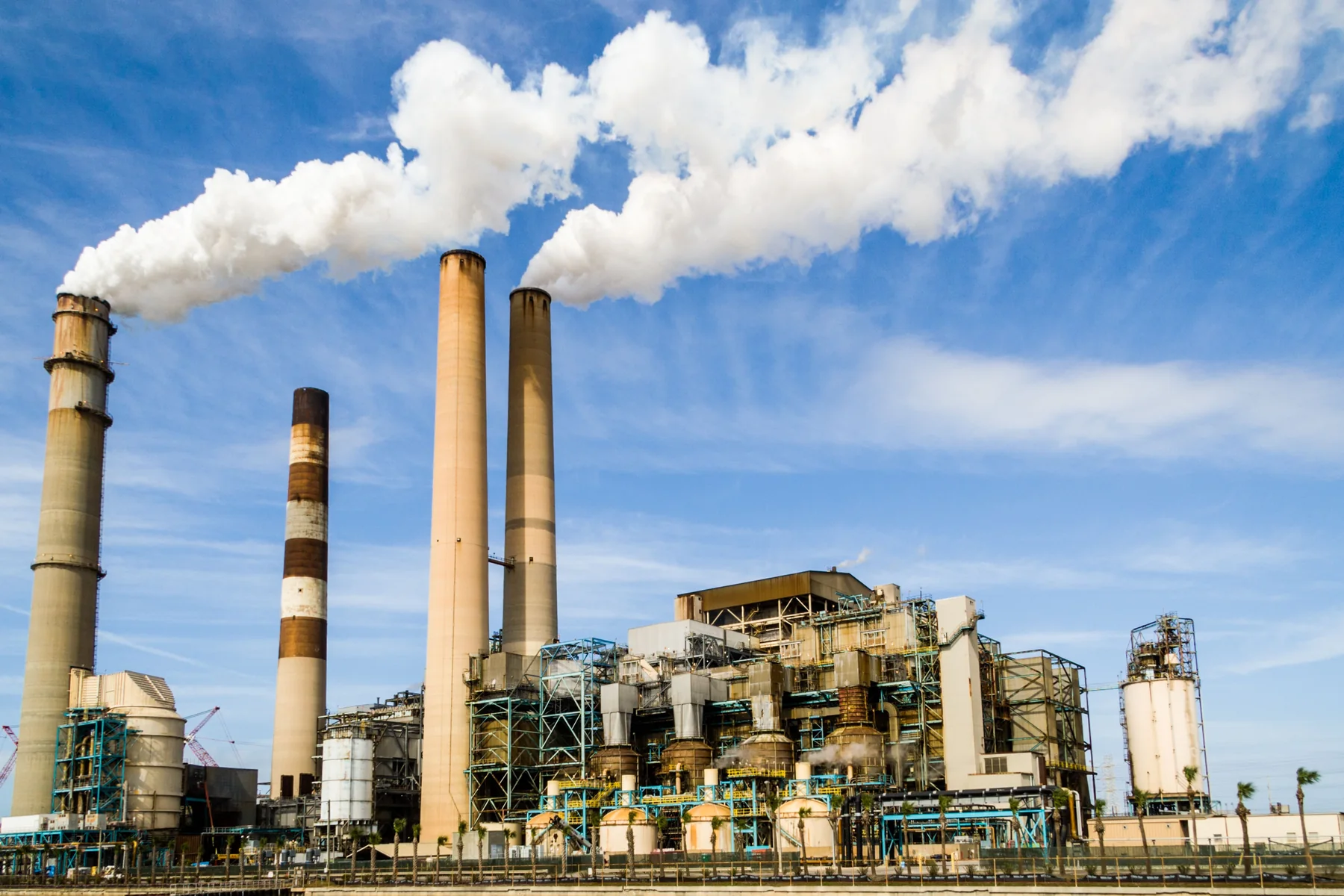
Category covers and course photos are illustrative licensed photographs, not AIGreen Plus staff, facilities or client results. Required creator and licence credits appear with each course photograph.
Use the matrix to compare the source evidence and review questions that shape a corporate footprint calculation.
| Decision / evidence | Scope 1Direct sources under organisational control | Scope 2Purchased or acquired energy | Scope 3Selected value-chain sources |
|---|---|---|---|
| Typical factory evidence | Fuel, refrigerant and process records | Utility bills, meters and energy contracts | Purchasing, logistics, waste and travel data |
| Primary owner question | Who controls the source and its records? | Which site, period and energy purchase are covered? | Which supplier or activity can provide usable data? |
| Main completeness check | Compare equipment and fuel lists with records | Reconcile bills, meter periods and sites | Document screened categories and data gaps |
| Report caution | Do not infer missing direct-source activity | Explain energy-data method and contract evidence | Label partial screening as incomplete coverage |
Scope classification is an educational starting point; the final boundary, methods, factors and reporting treatment require organisation-specific review and current applicable guidance. Course content is educational; verify current requirements against the linked official sources and the organisation's circumstances.
This course teaches Malaysian manufacturing SMEs to define an organisational boundary, map Scope 1, Scope 2 and selected Scope 3 sources, collect activity data, document factors and assumptions, check completeness and draft a transparent corporate footprint report. Participants practise with fictional factory records and produce a boundary note, source register, calculation worksheet and reporting checklist. It is learning content, not assurance, certification, regulatory filing or a promise of emission reductions.
Draft a clear organisational and operational boundary that identifies included facilities, sources, reporting period and exclusions requiring follow-up, with a named review route for the selected reporting cycle.
Classify factory fuel, purchased energy, refrigerants, logistics and selected value-chain sources by scope and document the evidence each source needs, noting where supplier confirmation remains outstanding.
Organise activity data, units, emission factors, assumptions and review notes in a traceable worksheet without presenting estimates as measured facts, retaining a reviewer question log for unresolved inputs.
Assemble a concise inventory report with methods, coverage, data limitations, internal checks and responsible wording that separates inventory results from assurance for management discussion and future data collection.
A fictional precision-parts factory combines electricity invoices, diesel purchase records and generator logs for one reporting period. Learners define which buildings and vehicles are included, reconcile units, identify a missing month and prepare a source register that distinguishes measured activity data from an estimate awaiting confirmation.
A sanitised cooling-equipment schedule shows equipment identifiers, service dates and partial refrigerant top-up records. Participants map the direct source, ask what evidence is missing, document a cautious calculation assumption and write a follow-up request without claiming a complete or verified result. The practice ends with a named owner and evidence request for the next review.
A fictional electronics assembler reviews purchased materials, inbound freight, waste services and business travel. The team screens selected value-chain categories, records why some are prioritised, labels proxy data, and drafts a transparent report note explaining that a screening exercise is not a full Scope 3 inventory.
This is a fictional learning example, not client results.
Stated basis: Same fictional plant boundary, reporting year and source list · 36 ÷ 48 and 42 ÷ 48.
Absolute difference: 12.5 percentage points. This is a comparison of the stated exercise values, not proof of improvement.
The comparison shows more of the fictional source list documented after a checking exercise; it does not quantify emissions or prove improvement.
This is not a carbon reduction, cost saving, compliance result, certification, assurance conclusion or financing eligibility assessment.
Final depth, exercises and delivery details are confirmed with AIGreen Plus before delivery.
On a small screen, scroll horizontally inside the course-outline table.
| Module | Focus | Key points | Practice |
|---|---|---|---|
| 01Footprint Purpose and Boundaries | Establish what a corporate GHG inventory measures and choose a practical reporting boundary for a multi-activity manufacturing SME with transparent scope notes for later review. |
| Draft a boundary note for a fictional metal-products SME with a plant, rented warehouse, company vehicles and outsourced transport, including boundary assumptions for review. |
| 02Scope 1 Source Mapping | Identify direct emissions sources under operational control and connect each source to responsible owners, records, calculation inputs and traceable data requests. |
| Mark direct sources on a fictional factory layout, then assign each source a record owner, unit and monthly evidence request for a first reporting cycle. |
| 03Scope 2 Purchased Energy | Organise purchased electricity and other acquired energy evidence while recognising the reporting choices and documentation needs for energy instruments and retaining source notes for review. |
| Reconcile twelve fictional electricity bills to meter readings and identify missing periods, duplicated invoices and an unresolved energy-contract question for the inventory reviewer. |
| 04Scope 3 Screening | Screen selected value-chain categories for relevance, prioritise practical data collection and avoid presenting a partial screen as a complete inventory using explicit screening assumptions. |
| Screen fictional procurement, inbound freight, waste and business-travel records, then explain why two categories need better supplier data and record the review rationale. |
| 05Activity Data and Factors | Turn operational records into documented calculation inputs by checking units, periods, factors, conversion choices and evidence quality, and record the reason for every choice. |
| Build three calculation cards from fictional diesel, electricity and refrigerant records, noting units, factor references, assumptions and unresolved questions for an internal review. |
| 06Calculation and Quality Checks | Practise transparent calculations and review controls that reveal missing sources, inconsistent units, unusual changes and unsupported precision before results are circulated to managers. |
| Review a sanitised worksheet containing unit mismatches and a duplicated bill, correct the control notes and prepare a reviewer query list. |
| 07Inventory Report Structure | Assemble a readable corporate footprint report that states methods, coverage, exclusions, assumptions, results, limitations and review responsibilities for a management-ready internal draft. |
| Create a two-page fictional inventory report outline with a methods note, source coverage table, limitations section and management review prompt. |
| 08Review, Claims and Next Steps | Use a proportionate review workflow and communicate inventory information without implying certification, assurance, carbon credits or verified reductions before sharing the draft internally. |
| Run a fictional pre-release review, classify five statements as evidence, estimate or plan, and assign owners to unresolved inventory gaps. |
This draft uses boundary notes, source registers and review gates for practical learning; it describes course design, not proven superiority or guaranteed inventory results.
| Focus | Proposed approach | Factory relevance |
|---|---|---|
| Boundary before arithmetic | Learners state facilities, sources, period, exclusions and organisational choices before opening a calculation worksheet. | A small factory team can see what its number represents and which decisions still need owner review. |
| Evidence-led source mapping | Every mapped source receives an owner, record type, unit, period and follow-up status during the exercises. | Operations and finance teams can coordinate collection instead of treating the footprint as an unexplained total. |
| Scope-specific practice | Separate fictional exercises address direct sources, purchased energy and selected value-chain screening rather than one generic worksheet. | Participants practise the different evidence questions that arise across Scope 1, Scope 2 and Scope 3. |
| Report with limits attached | A final review gate connects methods, coverage, assumptions, limitations and wording before a draft report is shared. | Managers can communicate what is known, estimated or incomplete without implying assurance or certification. |
It is a structured inventory of greenhouse gas emissions associated with an organisation's defined boundary and reporting period. The course focuses on source mapping, activity data, assumptions, calculations, completeness checks and reporting notes for a manufacturing SME.
A corporate inventory covers emissions associated with an organisation and its selected operations. A product carbon footprint follows a defined product life-cycle assessment boundary. This course helps participants distinguish those purposes rather than treat a factory inventory as a product result.
Yes. It uses separate exercises for direct sources, purchased or acquired energy, and selected value-chain screening. Scope 3 practice is deliberately framed as prioritisation and evidence planning, so a partial screening is not described as a complete value-chain inventory.
Useful approved samples may include electricity bills, meter readings, fuel purchases, generator logs, refrigerant service records, production context, freight information, waste records and selected procurement data. Anonymised or fictional records are suitable when confidential information cannot be shared.
Participants record the factor source, unit, period, applicability and assumptions alongside each calculation input. Estimates are labelled separately from measured activity data, and missing evidence becomes a follow-up item rather than an invented value or an over-precise claim.
The exercise produces a draft corporate footprint report structure with boundary, methods, scope coverage, activity-data notes, assumptions, limitations, review roles and next-cycle actions. It is a learning output, not a submitted regulatory report, assurance statement or certification.
No. Training exercises and a participant worksheet do not constitute independent verification, validation, assurance, certification or a site audit. An organisation should determine whether a separate qualified review is appropriate for its purpose and applicable reporting requirements.
Examples use familiar factory evidence such as utility bills, fuel, equipment servicing, logistics and supplier records, while keeping regulatory applicability open. Participants learn to confirm current requirements and reporting expectations with the appropriate responsible person rather than rely on a course as legal advice.
No. The course distinguishes an organisational emissions inventory from project accounting, offsets and carbon-credit claims. Inventory data can inform reduction planning, but the training does not calculate credit returns, promise eligibility or treat an unverified inventory as a climate claim.
Delivery format, duration, dates and fees are not fixed in this draft. Enquire with the course title, participant roles, site context and learning priorities so the current scope and quotation can be confirmed before planning delivery.
Corporate Carbon Footprint Calculation and Reporting — proposed practice flow; people remain responsible for evidence, decisions and any operational change.
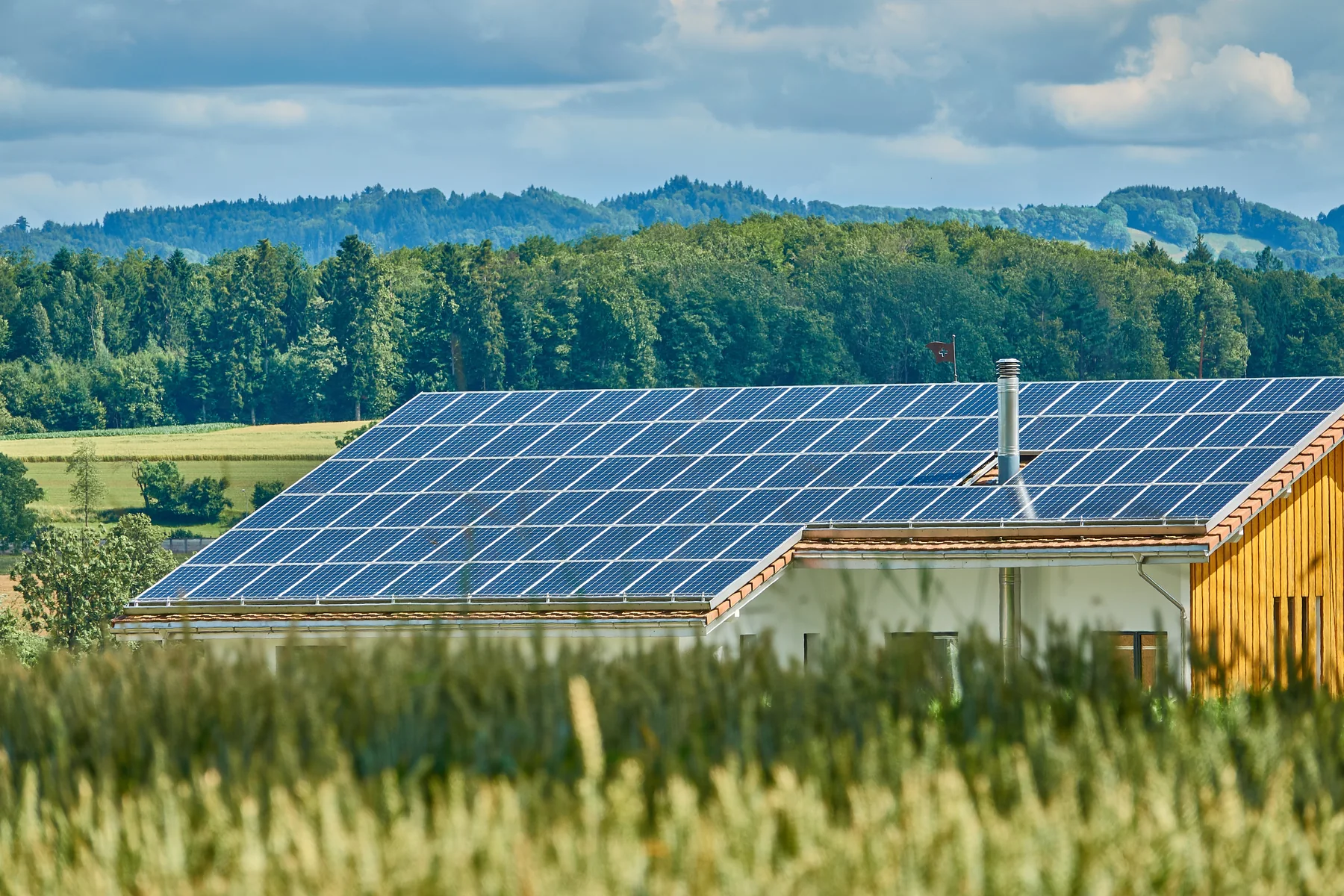 Photo: Roy Bury · Creative Commons CC0 1.0 Universal Public Domain Dedication · Image resized and converted to WebP.
Practise defining the facilities, sources, period and exclusions for a fictional corporate inventory.
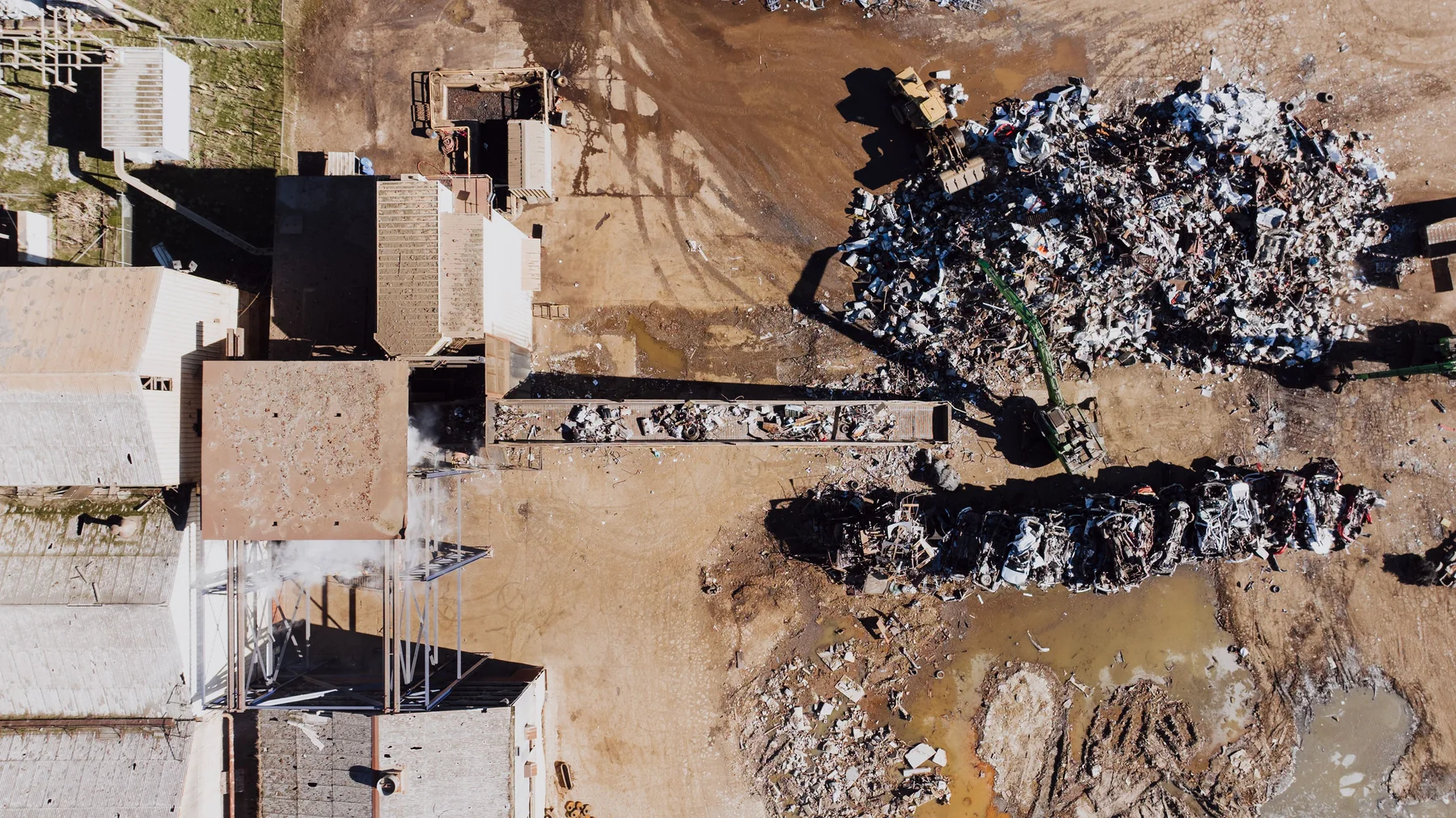 Photo: K (Pexels profile: https://www.pexels.com/@kelly/) · Pexels License · Image resized and converted to WebP.
Translate factory activities into Scope 1, Scope 2 and selected Scope 3 source categories.
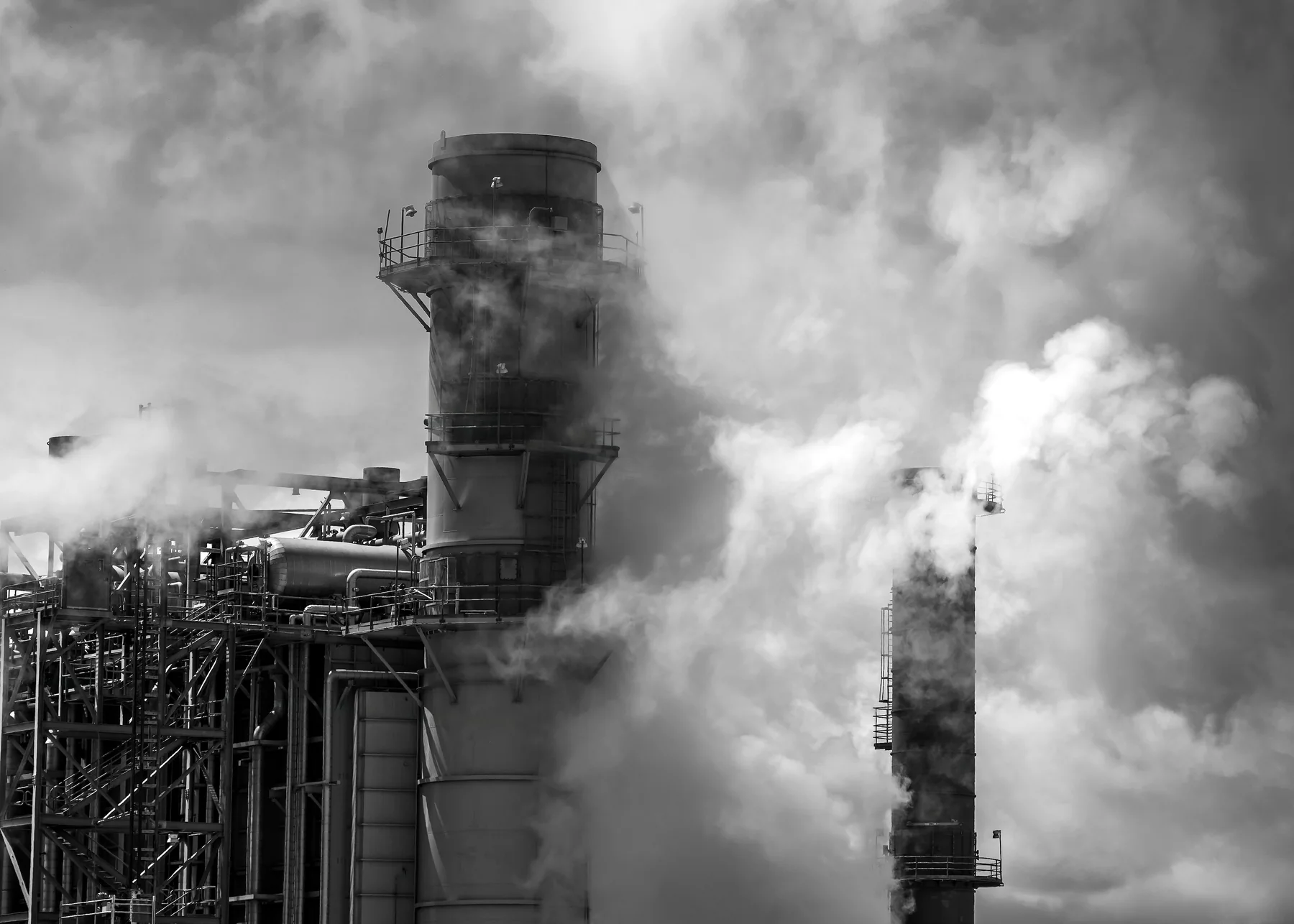 Photo: Thomas Parker · Pexels License (free commercial use) · Image resized and converted to WebP.
Organise activity records while distinguishing measured values, estimates, missing periods and unsupported assumptions.
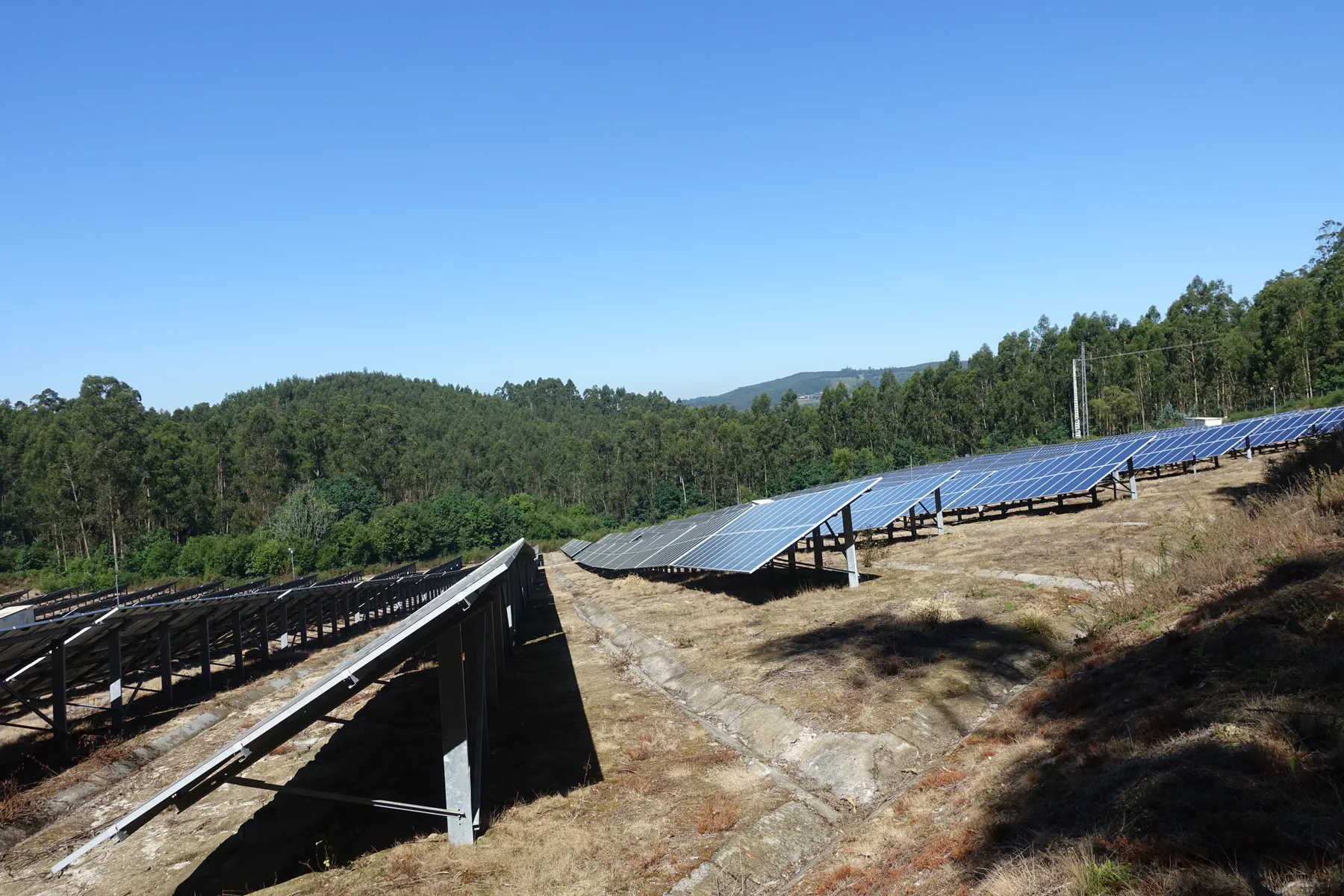 Photo: Joseolgon · Creative Commons Attribution-ShareAlike 4.0 International (CC BY-SA 4.0) · Image resized and converted to WebP; this adaptation is shared under CC BY-SA 4.0.
Practise traceable calculation inputs and review controls for units, factors, duplicates and unusual values.
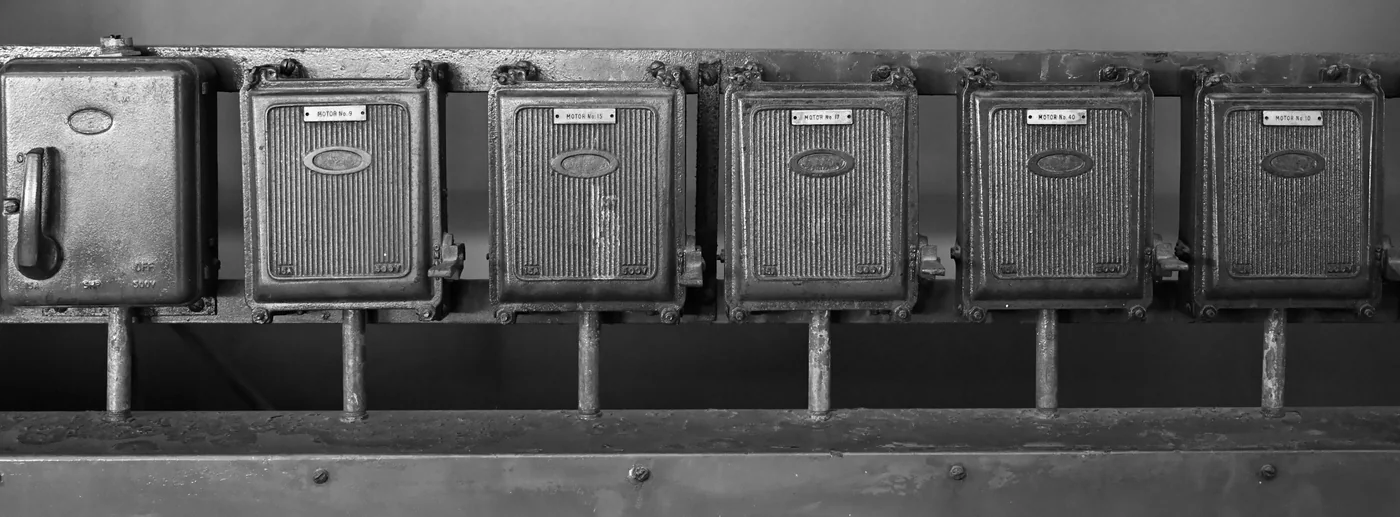 Photo: Jonathan Lim · Unsplash License · Image resized and converted to WebP.
Draft a transparent report that connects results to methods, coverage, limitations and accountable review.
Human review: This is not a carbon reduction, cost saving, compliance result, certification, assurance conclusion or financing eligibility assessment.
Confirm the final syllabus, duration, dates, format and fees for your manufacturing team.
