


Frame the baseline
Define a practical organisational and operational boundary, then map Scope 1, Scope 2 and relevant Scope 3 sources to available factory evidence.
Carbon Accounting & GHG Management
This course helps Malaysian manufacturing SMEs move from a credible GHG baseline to a practical carbon reduction strategy and staged net zero roadmap. Participants examine factory energy, fuels, processes, purchased goods and logistics, then prioritise feasible actions, assign owners, define evidence and review progress without treating training exercises as assurance or target validation.
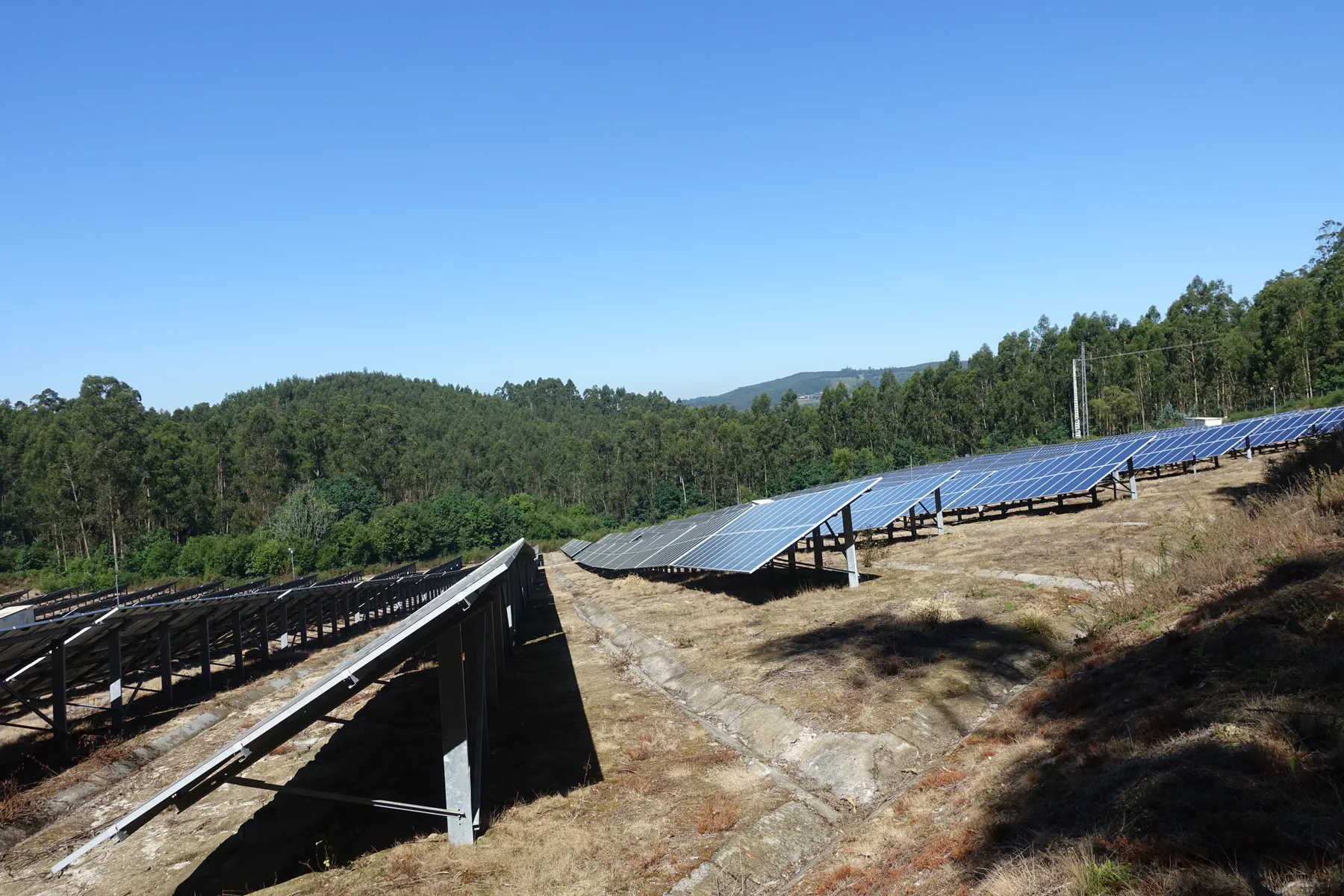
Category covers and course photos are illustrative licensed photographs, not AIGreen Plus staff, facilities or client results. Required creator and licence credits appear with each course photograph.
The matrix separates the evidence, action and review lenses needed to turn a GHG baseline into a controlled planning conversation.
| Decision / evidence | EvidenceWhat the baseline shows | ActionWhat could change | ReviewWhat keeps it credible |
|---|---|---|---|
| Source boundary | Facility, activity and scope are stated | Lever is linked to an accountable source | Boundary changes trigger reassessment |
| Data quality | Units, periods and estimates are recorded | Evidence need is built into the action | Missing or changed data is escalated |
| Feasibility | Hotspot relevance is evidenced | Dependencies and disruption are screened | Decision gate has a named owner |
| Progress | Activity and emissions indicators are defined | Milestones describe the next implementation decision | Review compares evidence, status and assumptions |
This educational matrix structures planning discussions; it does not calculate a complete inventory, validate a target, verify emissions or establish a net zero claim. Course content is educational; verify current requirements against the linked official sources and the organisation's circumstances.
The course teaches Malaysian manufacturing teams how to translate Scope 1, Scope 2 and relevant Scope 3 evidence into a prioritised reduction plan and a time-phased net zero roadmap. Learners practise hotspot analysis, action screening, target logic, owner assignment, monitoring design and review gates using fictional factory data. It is intended for leaders and operational staff who need a defensible planning process, not a certification, assurance engagement, site audit or guaranteed emissions outcome.
Define a practical organisational and operational boundary, then map Scope 1, Scope 2 and relevant Scope 3 sources to available factory evidence.
Use activity data, emission factors and production context to distinguish material hotspots from data gaps and identify where further investigation is worthwhile.
Screen efficiency, electrification, renewable electricity, process and supply-chain measures against impact, feasibility, dependencies, evidence quality and operational disruption.
Draft a staged roadmap with target logic, owners, milestones, monitoring checks and review gates that management can refine as evidence and constraints change.
A fictional Malaysian metal-parts SME maps natural-gas furnaces, electricity, scrap and purchased aluminium to operational owners. Participants compare combustion controls, scheduling, yield improvement and supplier evidence, then identify which actions need measurement or engineering review before entering a staged roadmap.
In a sanitised textile-mill exercise, learners review boiler fuel, purchased electricity, dyeing heat and contracted freight. They sequence efficiency checks, heat-system options, electricity decisions and supplier conversations, recording dependencies and review gates rather than assuming a technology choice will deliver a fixed reduction.
A fictional electronics assembler has a modest direct footprint but material purchased-component impacts. Teams classify supplier data, procurement influence and product-design questions, then create a roadmap workstream for supplier evidence and design review while keeping inventory boundaries and product claims distinct.
This is a fictional learning example, not client results. It illustrates how a comparable activity measure can support a roadmap conversation.
Stated basis: Same furnace cell, fuel boundary and comparable production batch · 100 ÷ 100 and 80 ÷ 100.
Absolute difference: 0.2 MWh per production batch / denominator unit. This is a comparison of the stated exercise values, not proof of improvement.
The simple ratio indicates the direction and relative scale of the comparison within the defined exercise boundary; learners must investigate operating conditions before treating it as a roadmap target.
This exercise is not evidence of carbon reductions or cost savings, compliance or certification, assurance, target validation or financing eligibility.
Final depth, exercises and delivery details are confirmed with AIGreen Plus before delivery.
On a small screen, scroll horizontally inside the course-outline table.
| Module | Focus | Key points | Practice |
|---|---|---|---|
| 01From Inventory to Strategy | Connect a corporate GHG inventory with reduction planning while keeping accounting boundaries, operational decisions and roadmap assumptions visible. |
| Using a sanitised electronics plant inventory, participants mark which baseline lines can support decisions and which require additional evidence before prioritisation. |
| 02Scope Hotspot Mapping | Trace major Scope 1, Scope 2 and relevant Scope 3 sources through a manufacturing value chain to locate influential decision points. |
| Teams map a fictional metal parts factory's furnace fuel, electricity, aluminium purchases and outbound freight to likely reduction owners. |
| 03Baseline Quality and Comparability | Test whether baseline data is complete, consistent and comparable enough to support action ranking without disguising uncertainty as precision. |
| Participants review twelve fictional monthly records for a plastics line and create a short evidence log for missing meters and changed production mix. |
| 04Reduction Levers | Compare operational efficiency, process redesign, electrification, renewable electricity and value-chain measures as distinct reduction pathways. |
| For a sanitised food-processing site, learners compare refrigeration controls, heat recovery, electric boilers and supplier packaging changes using a structured screen. |
| 05Action Prioritisation | Create a transparent decision matrix that balances emissions relevance, implementation readiness, cost information, operational risk and evidence requirements. |
| A fictional component plant scores six candidate actions, then explains why a lower-ranked project may need feasibility work before rejection. |
| 06Targets and Roadmap Logic | Translate a selected reduction portfolio into near-term milestones, longer-term direction and explicit assumptions without promising target acceptance or future performance. |
| Teams draft a five-step roadmap for a fictional textile mill, showing which decisions precede electrification and which milestones need management review. |
| 07Monitoring and Governance | Design a monitoring rhythm that joins activity data, action status, operational controls and management review without confusing monitoring with independent verification. |
| Participants create a quarterly review board for a sanitised packaging plant covering meter readings, project milestones, procurement evidence and exceptions. |
| 08Roadmap Communication | Present a credible roadmap that explains scope, evidence, choices, uncertainties and next decisions to factory leaders, finance teams and suppliers. |
| Learners turn a fictional roadmap worksheet into a one-page management brief that states evidence limits and asks for three defined decisions. |
This is a proposed course design focused on practical learning for manufacturing SMEs, not a claim of proven superiority or guaranteed results.
| Focus | Proposed approach | Factory relevance |
|---|---|---|
| Factory evidence first | Use realistic utility, fuel, production and purchasing records in each planning exercise. | Participants can see how evidence quality changes a reduction decision. |
| Decision-ready sequencing | Teach action screening with owners, dependencies, operational constraints and review gates. | A roadmap becomes a manageable sequence rather than an undated wish list. |
| Scope discipline | Keep corporate inventory, product assessment, offsets and target validation visibly distinct. | Teams reduce the risk of overstating what a factory exercise demonstrates. |
| Evidence-aware communication | Practise concise management briefs that label measured, estimated and unresolved information. | Leaders can direct the next investigation without mistaking uncertainty for failure. |
It uses inventory concepts as the starting point, then focuses on reduction strategy and roadmap design. Participants practise linking Scope 1, Scope 2 and relevant Scope 3 evidence to actions, owners and review gates. It does not produce an assured corporate inventory.
It means structuring a staged pathway from a defined baseline through reduction decisions, milestones, monitoring and review. The course discusses target logic and residual-emission questions without promising target acceptance, certifying a claim or deciding a company's final pathway.
No. Exercises compare possible levers such as efficiency, process change, electrification and renewable electricity, but a real purchase requires site data, engineering review, safety checks, procurement analysis and management approval outside the training.
Scope 1 covers direct sources in the organisational inventory, Scope 2 concerns purchased or acquired energy, and Scope 3 concerns relevant value-chain sources. The course uses these distinctions to assign evidence and owners, not to replace detailed accounting guidance.
Only as a boundary distinction. The learning activities prioritise measured or investigated reductions and do not calculate credit volumes, recommend offsets, assess project eligibility or support carbon-credit claims. Reduction planning and offset accounting should not be treated as the same exercise.
Not automatically. The course introduces the role of recognised target-setting guidance and teaches transparent assumptions, but a participant worksheet is not an independently assessed science-based target. Any formal target process needs the applicable framework and qualified review.
Yes, if the team is prepared to label gaps and use them as planning inputs. The course practises data-quality checks, estimation logs and evidence requests so participants can identify what should be measured before making stronger decisions.
This course focuses on corporate and factory reduction planning. Product carbon footprint or life-cycle assessment follows a product system and its life-cycle boundary. The course flags that distinction so a factory roadmap is not presented as a product claim.
No. Training exercises are educational and may help teams prepare questions and records. They are not an independent site audit, GHG verification, financial assurance engagement, management-system certification or validation of a net zero target.
Those arrangements are not defined by this content JSON and should be confirmed directly with AIGreen Plus. The course design describes learning scope and exercises only; it makes no attendance, funding, certificate, fee, date or delivery promise.
Carbon Reduction Strategies and Net Zero Roadmap Development — proposed practice flow; people remain responsible for evidence, decisions and any operational change.
 Photo: Roy Bury · Creative Commons CC0 1.0 Universal Public Domain Dedication · Image resized and converted to WebP.
Clarify the factory, sources, periods and decision question before ranking reduction ideas.
 Photo: Pixabay · Pexels License (free commercial use; attribution not required) · Image resized and converted to WebP.
Connect material emission sources to processes, equipment, suppliers and responsible decision owners.
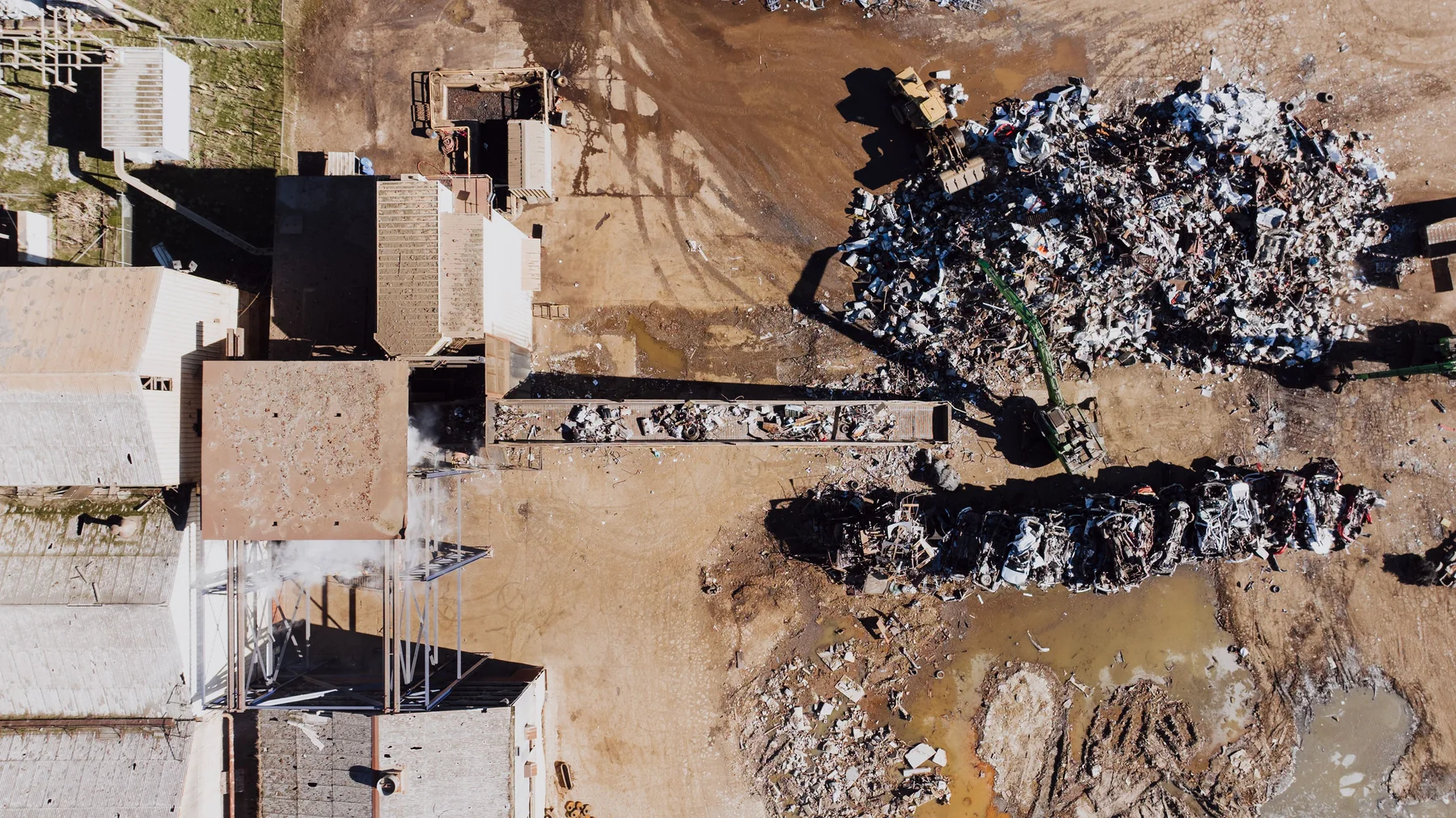 Photo: K (Pexels profile: https://www.pexels.com/@kelly/) · Pexels License · Image resized and converted to WebP.
Compare candidate measures using impact relevance, feasibility, dependencies, disruption and information needs.
 Photo: Thomas Parker · Pexels License (free commercial use) · Image resized and converted to WebP.
Place selected actions into near-term milestones and later roadmap steps with explicit management decision gates.
 Photo: Jonathan Lim · Unsplash License · Image resized and converted to WebP.
Set a repeatable review rhythm for activity data, action status, boundary changes and unresolved assumptions.
Human review: This exercise is not evidence of carbon reductions or cost savings, compliance or certification, assurance, target validation or financing eligibility.
Confirm the final syllabus, duration, dates, format and fees for your manufacturing team.
