


Define the inventory boundary
Map relevant facilities, processes, fuels, purchased energy and value-chain data sources, then assign each source to a stated boundary and accountable data owner for the selected reporting period.
Carbon Accounting & GHG Management
Build a traceable carbon-data routine for a Malaysian manufacturing SME. This course shows teams how to define sources and boundaries, capture activity data, record factors and assumptions, monitor completeness, resolve anomalies, and prepare a review-ready evidence trail for corporate GHG inventory work without treating training as assurance or certification.

Category covers and course photos are illustrative licensed photographs, not AIGreen Plus staff, facilities or client results. Required creator and licence credits appear with each course photograph.
Use the matrix to distinguish the three linked lenses of a defensible emissions-data routine: source evidence, monitoring controls and review decisions.
| Decision / evidence | Source evidenceWhat the number is based on | Monitoring controlHow completeness and changes are watched | Review decisionHow findings and limits are handled |
|---|---|---|---|
| Record identity | Meter, invoice, log or supplier file named | Expected period and unit checked | Owner confirms source and open questions |
| Data quality | Measured, estimated or proxy value labelled | Missing and late records flagged | Limitation and follow-up are recorded |
| Calculation trail | Factor, method and assumptions linked | Totals reconciled to source registers | Reviewer can reperform selected calculations |
| Change control | Boundary or factor change documented | Anomaly investigated against events and records | Correction, approval and residual uncertainty noted |
This matrix supports learning and internal preparation; it does not establish an independently verified inventory, certification, compliance conclusion or finance eligibility. Course content is educational; verify current requirements against the linked official sources and the organisation's circumstances.
This course teaches Malaysian manufacturing SME teams to collect, monitor and verify the evidence behind corporate GHG inventory calculations. Participants map emission sources across operations and purchased energy, define data owners, check units and periods, document estimates and factors, test completeness, investigate anomalies and assemble a review pack. It serves owners, operations, utilities, EHS, finance, procurement and quality staff who need a practical control routine. The exercises are fictional and do not provide assurance, certification, filings or a confirmed inventory.
Map relevant facilities, processes, fuels, purchased energy and value-chain data sources, then assign each source to a stated boundary and accountable data owner for the selected reporting period.
Build a source register that records activity data, units, periods, meters or documents, emission factors, assumptions and evidence quality for each selected emissions source before calculation review.
Use a monthly or quarterly control sheet to test coverage, reconcile totals, flag missing records and investigate unusual movements without silently replacing gaps with estimates.
Assemble a review-ready pack linking calculations to source documents, factor references, approvals, changes and unresolved limitations, while distinguishing internal checks from independent verification.
A fictional Malaysian metal-parts factory starts with one reporting quarter. The team lists grid electricity, diesel, LPG and refrigerant top-ups, then links invoices, meter readings and maintenance logs to named owners. They record units, periods, factors and gaps in a source register before any totals are consolidated. The exercise stops at evidence preparation and does not claim verified emissions.
During a fictional month-end review, a plastics manufacturer compares expected utility invoices with received files and checks fuel issues against production volume. A missing invoice, duplicate entry and unusual movement are logged, assigned and investigated using available records. Participants practise making a correction trail and keeping unresolved assumptions visible rather than presenting an unchecked number as a final result.
A fictional electronics plant prepares a review pack for an internal management discussion. It includes the boundary note, source register, calculation extract, factor references, document links, control checks, sign-offs and open questions. Learners test whether another reviewer can follow the trail from activity data to reported figure, while recognising that this classroom exercise is not independent assurance or certification.
This is a fictional learning example, not client results.
Stated basis: 100 expected source-period records for a fictional quarterly review · 72 ÷ 100 and 86 ÷ 100.
Absolute difference: 14 percentage points. This is a comparison of the stated exercise values, not proof of improvement.
This fictional exercise compares the share of expected source-period records that are usable before review; it illustrates monitoring completeness only and does not quantify emissions or attribute any improvement to training.
The ratio is not a carbon reduction, cost saving, compliance or certification result, independent assurance conclusion or financing eligibility assessment.
Final depth, exercises and delivery details are confirmed with AIGreen Plus before delivery.
On a small screen, scroll horizontally inside the course-outline table.
| Module | Focus | Key points | Practice |
|---|---|---|---|
| 01Start with the Inventory Boundary | Set a clear organisational and operational boundary before collecting records from a Malaysian manufacturing site, including facilities, processes and reporting period. |
| Using a fictional electronics factory, draw the boundary, list included sources and document two exclusions with reasons and evidence owners. |
| 02Map Emission Sources and Data Owners | Trace fuels, refrigerants, electricity, steam, vehicles and relevant value-chain sources to records, owners and collection points across a factory. |
| Create a source-to-owner map for a fictional plastics plant, including diesel tanks, grid electricity, refrigerant top-ups and purchased materials. |
| 03Capture Activity Data Consistently | Practise recording quantities, units, periods and source references so activity data can be traced from factory records into a calculation workbook. |
| Convert a sanitised utility and fuel log into a standard register, preserving original units, dates, document identifiers and missing-value notes. |
| 04Factors, Methods and Assumptions | Select documented emission factors and calculation methods while making assumptions visible and avoiding false precision when local or supplier data is incomplete. |
| Review three fictional factor choices for boiler fuel, grid electricity and refrigerant loss, then justify one selection and record its limitation. |
| 05Monitor Completeness and Continuity | Build a repeatable monitoring routine that checks whether expected records arrive, periods align and changes are explained before data is consolidated. |
| Use a fictional monthly dashboard to identify missing electricity invoices, duplicate fuel entries and an unexplained production-data break before close. |
| 06Investigate Anomalies and Changes | Apply simple review tests to spot unusual movements, duplicate entries, meter resets and boundary changes without claiming that an anomaly proves an error. |
| Investigate a fictional 35 percent fuel increase by comparing production, meter readings, delivery notes and maintenance events, then document the review conclusion. |
| 07Internal Checks and Verification Readiness | Prepare proportionate checks that connect reported figures to evidence, calculations and decisions while distinguishing internal review from independent verification or certification. |
| Perform a fictional sample review of five emissions records, reperform two calculations, classify findings and draft a concise evidence-request list. |
| 08Build the Monitoring and Review Pack | Combine registers, calculations, controls and review notes into a usable pack that supports management decisions and future inventory updates. |
| Assemble a fictional factory review pack with a source register, calculation extract, issue log, owner sign-offs and a next-cycle handover checklist. |
This proposed course design uses source registers, monitoring controls and review exercises; it does not claim proven superiority, assurance capability or guaranteed results.
| Focus | Proposed approach | Factory relevance |
|---|---|---|
| Source-to-owner mapping | Learners build a topic-specific source register that links each fuel, utility, refrigerant or value-chain record to a named owner and backup. | The factory can see where evidence should come from and who must resolve a missing or inconsistent record. |
| Evidence before totals | Exercises preserve source documents, units, periods, factor references and assumptions before learners consolidate a figure. | Teams can explain how a number was formed instead of relying on an unexplained spreadsheet output. |
| Monitoring control rhythm | A simple expected-versus-received dashboard and issue log are used to check completeness, continuity and anomalies. | Small teams can focus limited review time on missing, late, duplicated or unusual data. |
| Proportionate review readiness | Participants reperform selected calculations and assemble a review pack while explicitly separating internal checks from independent verification. | Managers gain a clearer handover trail without mistaking training exercises for assurance, certification or a site audit. |
It focuses on the evidence trail behind corporate GHG inventory work: defining a boundary, mapping sources, collecting activity data, documenting factors and assumptions, monitoring completeness, investigating anomalies and preparing a review pack. It does not teach product carbon footprint assessment as its main method.
It suits Malaysian manufacturing SME owners and staff in operations, utilities, EHS, sustainability, finance, procurement, quality or internal review roles. Participants should be able to involve data owners and use approved records. No claim is made that attendance creates a professional qualification or assurance capability.
Useful practice materials may include utility invoices, meter readings, fuel issue logs, refrigerant service records, production data, supplier information, factor references and prior calculation workbooks. Use only organisation-approved, anonymised or sanitised material, and keep confidential or personal information out of shared exercises.
Participants label missing, late, estimated or proxy values rather than silently filling gaps. They record the source, period, unit, assumption, owner and follow-up action, then decide whether an internal reviewer needs clarification. The course does not prescribe a final emissions figure when evidence is incomplete.
Monitoring means checking expected records against received records, reconciling units and periods, watching continuity, and investigating duplicates or unusual movements. A simple control sheet and issue log make follow-up visible. The exercise is a learning routine, not a live operational monitoring service or a guarantee of data quality.
No. The course uses internal review exercises such as tracing documents and reperforming selected calculations. The GHG Protocol Corporate Standard says it is designed to develop a verifiable inventory but does not provide a standard for conducting verification. Independent verification or certification requires separate scope and qualified parties.
The course maps direct fuel and process sources, purchased energy records and relevant value-chain information as different evidence streams. It does not decide an organisation's final classification automatically; boundary choices, methods and applicability should be reviewed against the selected inventory framework and current requirements.
Yes, electricity and other purchased energy records are used to practise source mapping, unit checks and evidence review. The GHG Protocol Scope 2 Guidance addresses purchased or acquired electricity, steam, heat and cooling, including transparency for energy purchases. Local factors and contractual instruments require careful, current review.
Exercises may follow activity data through a simple calculation trail, but examples are fictional or sanitised and are not an official company inventory. The course does not submit emissions data, make regulatory filings, provide assurance, or promise carbon reductions, savings, credits or financing eligibility.
Scope, format, duration, fees, tools and preparation requirements are not fixed in this draft. Enquire with the course title, participant roles and preferred learning context to confirm the current syllabus and available arrangements. Do not send confidential factory data with an initial enquiry.
Carbon Emissions Data Collection, Monitoring and Verification — proposed practice flow; people remain responsible for evidence, decisions and any operational change.
 Photo: Roy Bury · Creative Commons CC0 1.0 Universal Public Domain Dedication · Image resized and converted to WebP.
Define included facilities, sources and reporting period before records are collected.
 Photo: Pixabay · Pexels License (free commercial use; attribution not required) · Image resized and converted to WebP.
Link each source to a primary owner, backup and approved record location.
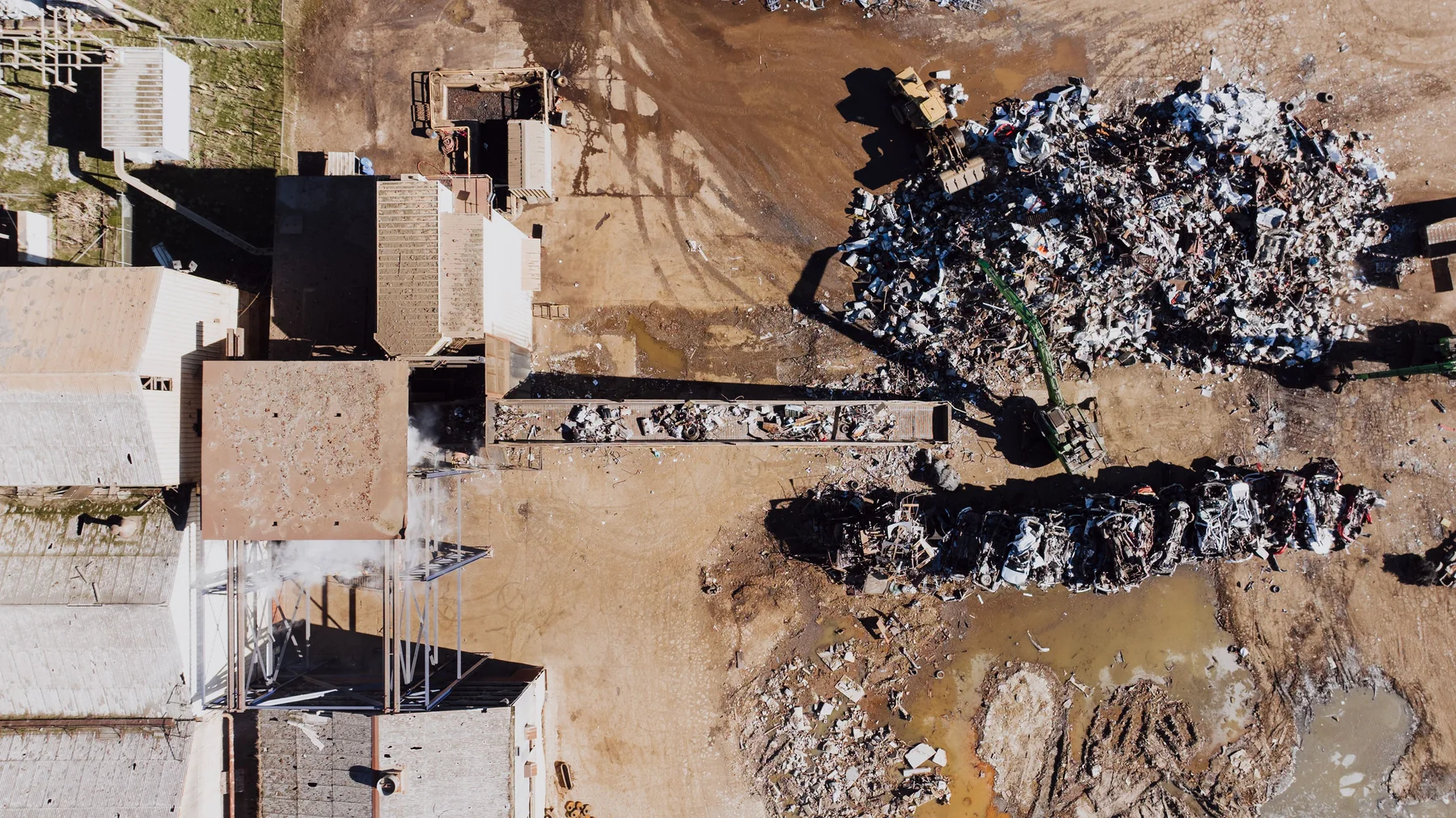 Photo: K (Pexels profile: https://www.pexels.com/@kelly/) · Pexels License · Image resized and converted to WebP.
Compare expected records with received data and flag gaps, duplicates or timing breaks.
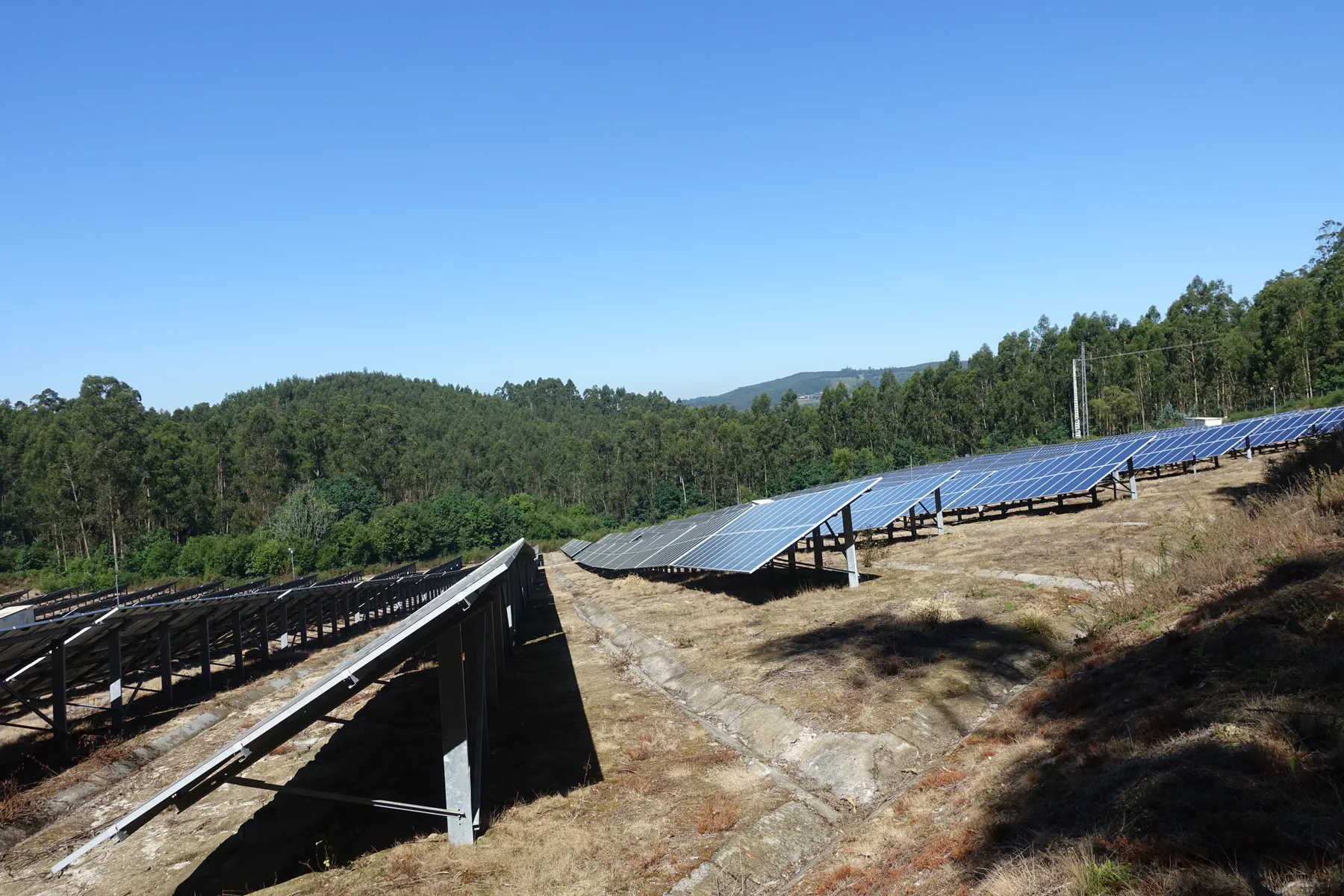 Photo: Joseolgon · Creative Commons Attribution-ShareAlike 4.0 International (CC BY-SA 4.0) · Image resized and converted to WebP; this adaptation is shared under CC BY-SA 4.0.
Investigate unusual movements and document whether evidence supports correction, explanation or escalation.
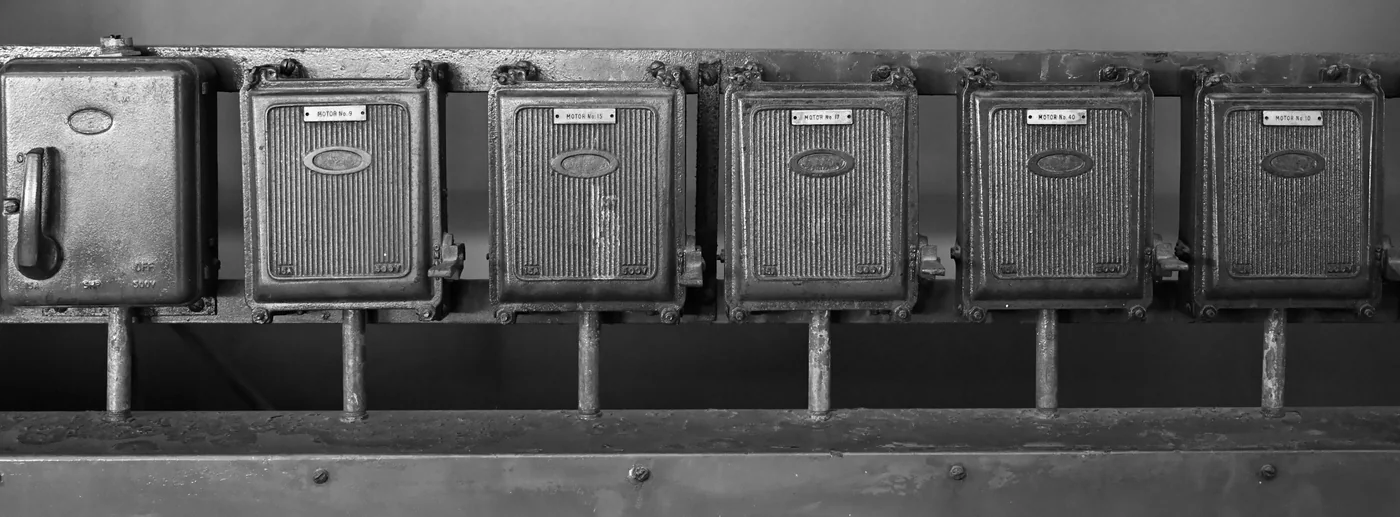 Photo: Jonathan Lim · Unsplash License · Image resized and converted to WebP.
Assemble calculations, factors, assumptions and approvals for the next internal review cycle.
Human review: The ratio is not a carbon reduction, cost saving, compliance or certification result, independent assurance conclusion or financing eligibility assessment.
Confirm the final syllabus, duration, dates, format and fees for your manufacturing team.
