


ESG REPORTING & DISCLOSURE
Malaysia NSRF Reporting Readiness
Turn reporting uncertainty into a reviewed, practical NSRF readiness plan.
AIGreen Plus can help a Malaysian manufacturer map its reporting boundary, organise evidence and assess readiness against the relevant NSRF and ISSB S1/S2 expectations. The engagement is a proposed consultancy process, with management retaining responsibility for judgements, approvals and any final filing or assurance decision.
Human review retainedCurrent-source check is conditionalFictional dashboard concept
See the review dashboard ↓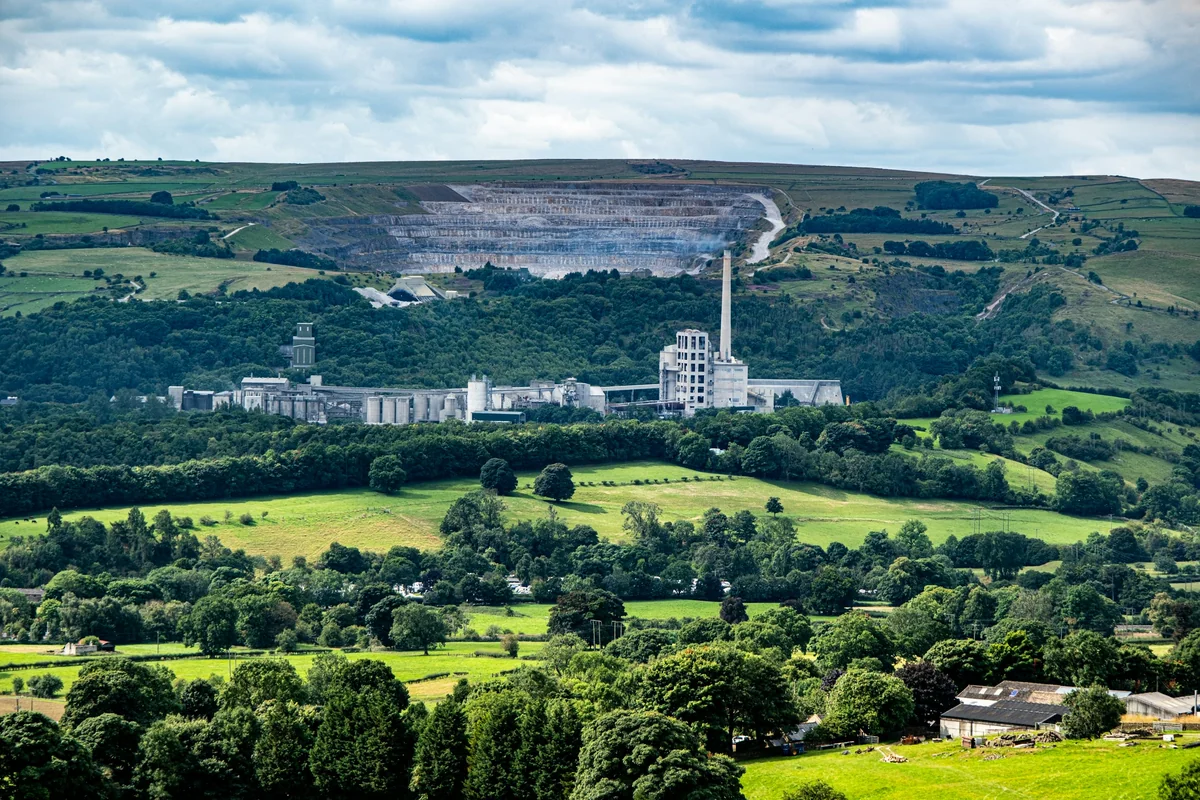
Photo by Sue Winston · Source: source page · Licence: Unsplash License · Resized proportionally and converted to WebP; original content retained. Displayed in a landscape frame.
This service is a structured readiness review for manufacturers preparing for Malaysia’s National Sustainability Reporting Framework. We help confirm the intended reporting perimeter, inventory available governance, strategy, risk, metrics and climate evidence, identify gaps, and prepare an action register and review pack. Work is based on approved records and interviews, not an installed software product. A qualified management owner reviews interpretations and signs off the final readiness position.
01 / SEE THE REVIEW OUTPUT
NSRF Evidence Readiness Snapshot
FICTIONAL SAMPLE / illustrative pre-read for one reporting cycle. This screen is a static illustration for discussion, not a connected customer system.
PROPOSED DASHBOARD CONCEPT
FICTIONAL SAMPLE / illustrative pre-read for one reporting cycleNSRF Evidence Readiness Snapshot
Illustrative evidence by NSRF topic
Fictional sample values · Bars compare fictional evidence items currently indexed by topic; they do not measure emissions, performance or conformity.
Unit: items
| Sample source row | Evidence logged (items) | Complete (items) | Open follow-up (items) | Review status |
|---|---|---|---|---|
| Plant A climate and energy records | 12 | 9 | 3 | Consultant pre-check |
| Plant B climate and energy records | 10 | 8 | 2 | Client evidence review |
| Group governance and risk records | 8 | 6 | 2 | Management review pending |
AI-assisted draft / requires verification
Fictional rows show 30 logged evidence items, 23 marked complete and 7 open for follow-up. This draft points to evidence collection and ownership checks only; it does not determine applicability, materiality, compliance or assurance readiness.
02 / FIVE REVIEW STAGES
Five steps, with an accountable owner.
Evidence, assumptions and open questions move through a human review route. No certification or automatic conclusion is implied.
- 01↓
Scope and applicability
Confirm entity and reporting perimeterReview the organisation, listing status, reporting period, sites and intended audience with the client.
OWNER / CONTROLClient sponsor / qualified adviser - 02✓
Data and evidence map
Index approved records and ownersCatalogue governance, strategy, risk, metrics, targets and climate evidence, including Scope 1, Scope 2 and relevant Scope 3 data structures where applicable.
OWNER / CONTROLConsultant / data owners - 03≡
Gap and traceability review
Test coverage against selected requirementsCompare available evidence with the agreed NSRF and ISSB S1/S2 review lens, recording assumptions, sources, gaps and dependencies.
OWNER / CONTROLConsultant / client reviewers - 04◎
Qualified review workshop
Resolve judgements and exceptionsFacilitate management review of boundaries, estimates, controls, disclosures and unresolved items without making legal or assurance determinations.
OWNER / CONTROLManagement / appointed specialists - 05↗
Readiness handover
Leave a prioritised action registerDeliver the reviewed gap register, evidence index, ownership matrix and next-step roadmap for client approval and execution.
OWNER / CONTROLClient sponsor / board-designated owner
If a check fails: Hold the record for its owner, correct the source and preserve the approved manual fallback.
03 / RESPONSIBILITIES
Organise the work. Keep conclusions with people.
The proposed support can structure records and questions; responsible owners still assess evidence, applicability and decisions.
| Review point | Common starting position | Proposed consultancy support | Responsible reviewer |
|---|---|---|---|
| Define reporting perimeter | Reconcile entity and site lists across files and meetings | Proposed evidence index and duplicate/blank-field prompts | Management confirms scope, ownership and reporting period |
| Trace disclosure evidence | Search folders and spreadsheets for source records | Proposed cross-reference matrix from topic to evidence | Owner validates source, date, method and relevance |
| Review climate metrics | Compile activity data, factors and explanatory notes | Proposed structured register for Scope 1, 2 and relevant Scope 3 records | Qualified reviewer approves methods, estimates and exclusions |
| Prioritise gaps | Discuss open items in recurring review meetings | Proposed status, owner and dependency views | Management sets priorities, accepts risk and approves actions |
Start with a defensible perimeter
Facilitate an organisation and reporting-period review so the readiness work does not assume every manufacturer has the same obligation.
Make source ownership visible
Create an evidence index that records source, period, owner, reviewer and unresolved assumptions.
Structure the data conversation
Propose records capturing scope/category, activity source, selectable unit, quantity, emission factor and unit, factor source/version/date, period and evidence/reviewer.
Turn gaps into decisions
Use a prioritised action register and review workshop to separate missing evidence, methodology questions and management judgements.
04 / HONEST HYPOTHETICAL FIGURES
Show the working behind a planning example.
These figures are modest arithmetic for discussion, not customer evidence, forecasts, emissions claims, payroll promises or guaranteed outcomes.
HYPOTHETICAL WORKED EXAMPLE / NOT CUSTOMER RESULTS
120 → 75 combined labour minutes for the same task.
12 one evidence bundle reconciled for a reporting topic units per month × 45 minutes less per unit.
10 → 4 per 100 checked error-affected administrative evidence records, not environmental compliance, assurance or disclosure outcomes (6.0 percentage points).
See assumptions and calculations
| Measure | Illustrative calculation | Meaning and limit |
|---|---|---|
| Labour effort | (120 − 75) ÷ 120 × 100 = 37.5% | Same workload and expected review quality; includes ongoing exception checks as scoped. |
| Time capacity | (120 − 75) × 12 ÷ 60 = 9.0 hours | Released time is not payroll savings or guaranteed job reduction. |
| Admin checks | (10 − 4) ÷ 100 = 6.0 percentage points; 60.0% relative | Separate hypothetical like-for-like administrative check of records needing correction; not a claim of actual savings, headcount change, emissions improvement or certification readiness. |
Hypothetical same-workload example: before, a client coordinator spends 90 minutes assembling one evidence bundle and a consultant spends 30 minutes reconciling it; after a scoped register is agreed, the coordinator spends 45 minutes and the consultant spends 30 minutes, including review and exception effort.
Scenario figures are illustrative arithmetic, not benchmarks, forecasts, actual customer results or guarantees. Measure a like-for-like pilot with the same definitions before making a claim.
05 / PROPOSED DELIVERY
Agree the evidence and review route before work starts.
Agree scope pack
Confirm entity perimeter, intended reporting period, stakeholders, review lens and access protocol.
What you receiveApproved scope and assumptions sheetBuild evidence register
Collect approved documents, interviews and data-owner responses, then index their provenance and status.
What you receiveEvidence index and ownership matrixRun readiness review
Assess topic coverage, traceability, boundaries, estimates and open methodology questions against the agreed NSRF/ISSB lens.
What you receiveGap and exception registerHandover roadmap
Facilitate management review and sequence actions, dependencies and specialist questions for the next reporting cycle.
What you receiveReviewed readiness pack and action roadmap06 / BEFORE YOU INVEST
Inputs, boundaries and ownership should be clear.
These lists are a starting point. Final scope, access, professional responsibility and outputs require written agreement.
What to prepare
- Approved entity, subsidiary, site and ownership list from company secretary or finance owner
- Current sustainability, annual, risk and governance disclosures from the reporting owner
- Climate and operational records, including fuel, electricity, refrigerant and relevant value-chain activity data from site and EHS owners
- Evidence metadata: source, reporting period, unit, factor and factor source/version/date, preparer and reviewer
- Management policies, controls, prior review comments and intended sign-off or assurance pathway from accountable executives
What to agree in writing
- This is scoped consultancy and readiness support, not legal, tax, accounting or regulatory advice; applicability must be confirmed for the organisation and reporting period with qualified advisers.
- It does not provide certified assurance, independent verification, an AIGreen Plus accreditation or a guarantee of NSRF conformity, acceptance or filing outcome.
- Client-approved, least-necessary data is used; access, retention, confidentiality, personal-data handling and any Malaysian privacy review require written agreement.
- Any system, spreadsheet, connector, calculator, factor library or workflow is a proposed aid subject to discovery and licence/access feasibility, not an installed product or live regulatory feed.
- Management and appointed qualified reviewers retain control of materiality, estimates, boundaries, disclosures, sign-off, assurance appointment and final submission; no emissions or cost savings are promised.
Confidence comes from traceable evidence.
Set definitions, boundaries, source ownership and review responsibility before interpreting a result. A qualified responsible person decides whether a finding is applicable.
07 / CLEAR ANSWERS
10 questions. Practical answers.
Clear answers
Frequently asked questions.
Ten practical answers about scope, sources, review and responsible use.
What does Malaysia NSRF Reporting Readiness cover for a manufacturer?
It covers an agreed perimeter review, evidence mapping, a structured climate-data discussion, traceability and gap review, exception workshop, and a handover action register. It is preparation support, not a completed sustainability statement, legal opinion or assurance engagement.
What information should we provide first?
Start with the entity and site list, reporting period, current sustainability or annual report, governance and risk material, climate policies, available energy and fuel records, and named data owners. We then confirm what additional approved evidence is actually necessary.
Which method or standard does the review use?
The review can use the NSRF and relevant IFRS S1/S2 disclosure expectations as the agreed lens, with the applicable Bursa or other regulatory context confirmed separately. We do not reproduce or claim possession of paywalled standards, and the chosen scope is documented before work starts.
Who signs off the readiness conclusions?
Your authorised management owner remains accountable for boundaries, materiality, estimates, disclosures and final approval. Finance, company secretarial, EHS, operations, legal or an appointed assurance provider may review relevant parts. AIGreen Plus facilitates and documents review; it does not replace those approvers.
Is readiness the same as certification or assurance?
No. Readiness identifies evidence, gaps and decisions to address before reporting. It is not independent assurance, certification, regulator approval or a statement that requirements have been met. If assurance is needed, management appoints an appropriate independent provider under a separate scope.
Are the dashboard figures or time scenarios our actual results?
No. Dashboard rows and scenario values are fictional illustrations to show how a review pack can be organised. They are not measurements, benchmarks, headcount reductions, payroll savings, carbon or energy savings, and they do not predict certification or reporting outcomes.
How are confidentiality and access handled?
We agree least-necessary access, approved repositories, named roles, retention and permitted use before evidence transfer. Sensitive records can be anonymised or sampled where workable. A qualified Malaysian adviser should confirm the organisation’s privacy and contractual requirements; this page is not a compliance promise.
Can this work with our existing ERP, EHS or document systems?
Possibly, subject to discovery, permissions, export formats, data quality, security review and written scope. The proposal may use controlled files or a manual fallback. It does not imply that AIGreen Plus already has an integration, live factor database or installed NSRF reporting application.
How quickly can the readiness review be completed?
Timing depends on perimeter complexity, evidence access, reviewer availability, reporting period and the number of unresolved judgements. We agree milestones after the scope workshop rather than promising a fixed duration. Delayed or incomplete source records can move review and handover dates.
What affects the quote and ongoing support boundary?
Effort depends on entities and sites, topics, data condition, workshops, specialist questions, translation or documentation needs, system feasibility, review rounds and any recurring refresh. The written quote defines deliverables, access, exclusions, expenses and support; no 24/7 or recurring service is implied.
START WITH ONE CLEAR QUESTION
Discuss this outline ↗Discuss Malaysia NSRF Reporting Readiness
Share a high-level question and the type of evidence involved—not confidential records. We can discuss discovery, scope and a written way to review the work.
08 / SOURCE NOTES
Check the current public material.
These references support an initial discussion only. They do not make AIGreen Plus an accredited or certified verifier.
Public official material — not accreditation.
- Securities Commission Malaysia — National Sustainability Reporting Framework
NSRF uses IFRS S1 and IFRS S2 as baseline sustainability disclosure standards in Malaysia, with phased implementation, climate-first emphasis and transition reliefs including additional time for complex disclosures such as Scope 3.
- Securities Commission Malaysia — NSRF launch media release
The 24 September 2024 launch release describes phased groups for large Main Market issuers, other Main Market issuers, ACE issuers and large non-listed companies, and notes that applicability and timing vary by entity.
- Bursa Malaysia — Sustainability reporting using IFRS Sustainability Disclosure Standards
Bursa’s 23 December 2024 announcement describes staged listed-issuer implementation, sustainability-statement content and specified transition reliefs; it does not establish that every Malaysian manufacturer is in scope.
These official sources support the NSRF/ISSB baseline, phased listed-issuer and large-company context, and transition-relief boundaries. Applicability, reporting period, other regulators and any assurance requirement must be confirmed for the specific organisation with qualified advisers; this consultancy page is not legal or tax advice.
Dashboards and numerical scenarios are fictional planning examples. The services are proposed consultancy scopes, not certification, accreditation, assurance, legal advice, regulatory approval or a promise of emissions, cost, staffing, safety, quality or market outcomes.
