


ESG REPORTING & DISCLOSURE
Bursa Malaysia Sustainability Reporting Support
Turn scattered ESG evidence into a reviewable reporting workplan. Keep every conclusion with accountable people.
AIGreen Plus can help a Malaysian manufacturer scope its reporting boundary, map Bursa-relevant disclosures, structure evidence and identify review questions. The proposed engagement is consultancy and digital assistance, not installed software, statutory advice, external assurance or a promise of reporting compliance.
Human review retainedCurrent-source check is conditionalFictional dashboard concept
See the review dashboard ↓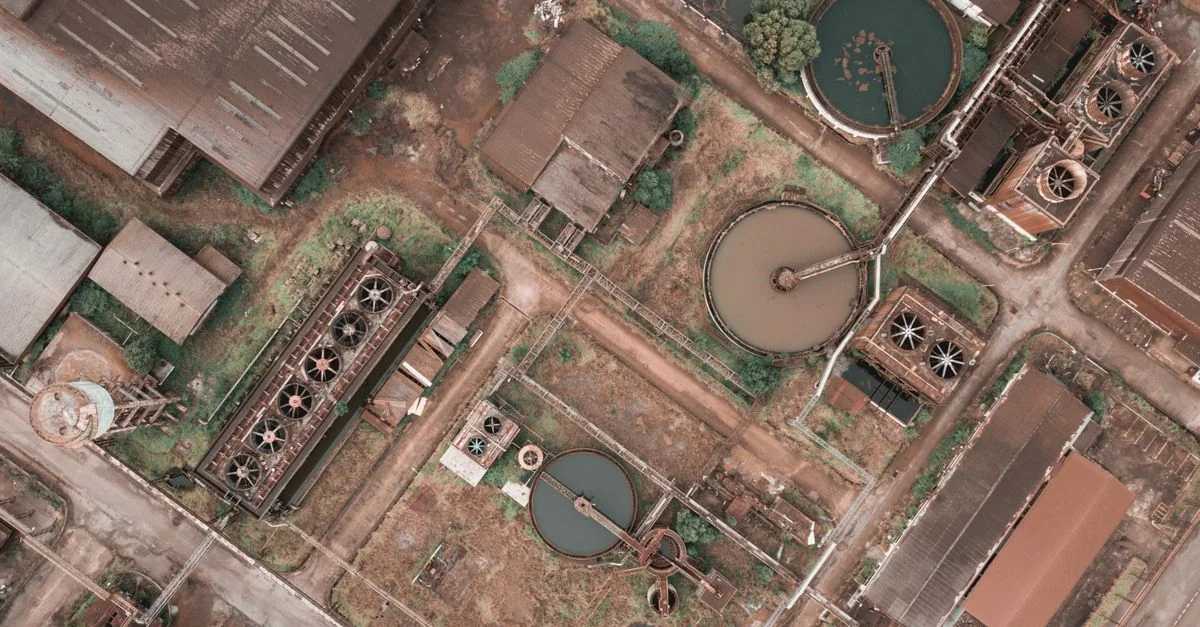
Photo by Pok Rie · Source: source page · Licence: Pexels License · Resized proportionally and converted to WebP; original content retained. Displayed in a landscape frame.
This service helps a manufacturer prepare a practical sustainability-reporting evidence pack and action plan. We work with nominated owners to clarify entity and reporting-period boundaries, assess material topics, organise activity records and map disclosures to the applicable Bursa Malaysia context. Outputs can include a source register, gap log, draft narrative prompts and review-ready handover. Management, the board and qualified advisers retain responsibility for applicability, approval and final filing.
01 / SEE THE REVIEW OUTPUT
Illustrative sustainability evidence review
FICTIONAL SAMPLE / four workstreams in a proposed reporting-readiness review. This screen is a static illustration for discussion, not a connected customer system.
PROPOSED DASHBOARD CONCEPT
FICTIONAL SAMPLE / four workstreams in a proposed reporting-readiness reviewIllustrative sustainability evidence review
Illustrative evidence records by workstream
Fictional sample values · Bars compare fictional source-record volumes only; they do not indicate ESG performance or completeness of a real report
Unit: records
| Workstream | Evidence records (count) | Checked (count) | Open questions (count) | Example evidence basis |
|---|---|---|---|---|
| Governance and policy | 8 | 7 | 1 | Policy register and meeting extracts |
| Energy and climate | 12 | 9 | 3 | Utility statements and calculation workbook |
| People and workplace | 10 | 8 | 2 | Training and workforce summary |
| Supply chain and sites | 6 | 6 | 0 | Supplier/site questionnaire register |
AI-assisted draft / requires verification
Illustrative draft: the sample contains 36 listed records across four workstreams, with 30 marked checked and six questions requiring owner review. It does not infer a material topic, emissions result or final disclosure from these fictional rows.
02 / FIVE REVIEW STAGES
Five steps, with an accountable owner.
Evidence, assumptions and open questions move through a human review route. No certification or automatic conclusion is implied.
- 01↓
Scope and boundaries
Agree entity, period and intended useConfirm the organisation, reporting period, applicable Bursa context and boundaries before collecting evidence.
OWNER / CONTROLClient sponsor / qualified adviser - 02✓
Evidence structure
Map sources to reporting questionsCreate a proposed register for policies, metrics, narratives, owners, periods and evidence status.
OWNER / CONTROLConsultant / nominated data owners - 03≡
Data and gap review
Test completeness and traceabilityReview source records and flag missing units, dates, methods, approvals or boundary explanations.
OWNER / CONTROLConsultant / client reviewers - 04◎
Qualified review
Challenge assumptions and applicabilityFacilitate management and qualified-adviser review of materiality, methods, disclosures and unresolved questions.
OWNER / CONTROLManagement / qualified adviser - 05↗
Handover and roadmap
Leave an owned next-step planDeliver the evidence pack, gap log, draft prompts and named actions without making the final reporting decision.
OWNER / CONTROLClient sponsor / board-approved process
If a check fails: Hold the record for its owner, correct the source and preserve the approved manual fallback.
03 / RESPONSIBILITIES
Organise the work. Keep conclusions with people.
The proposed support can structure records and questions; responsible owners still assess evidence, applicability and decisions.
| Review point | Common starting position | Proposed consultancy support | Responsible reviewer |
|---|---|---|---|
| Collect sustainability evidence | Chase files and reconcile different periods by email or spreadsheet. | Proposed register, status views and structured digital assistance for agreed evidence fields. | Owners confirm source validity, boundary and permission to use each record. |
| Map topics and disclosures | Read guidance and build a disclosure crosswalk from scratch. | Consultant-prepared crosswalk and draft prompts aligned to the agreed Bursa context. | Management and qualified advisers decide materiality and applicable requirements. |
| Check metrics and narratives | Compare units, periods, methods and explanations across working files. | Proposed exception list highlighting missing metadata and inconsistent entries. | A responsible reviewer validates calculations, evidence and wording. |
| Prepare handover | Compile scattered notes into a reporting workplan. | Structured source register, gap log and action roadmap for the client team. | Authorised management approves actions; external assurance, if chosen, is independent. |
Create one traceable source register
Propose consistent fields for owner, period, unit, method, evidence link and review status.
Separate guidance from decisions
Frame Bursa and IFRS-related questions for confirmation by the organisation and qualified advisers.
Make gaps visible early
Use a bounded gap log to identify missing scope, category, factor, date, unit or approval information.
Hand over an owned roadmap
Turn review observations into named actions and evidence requests without promising certification or filing acceptance.
04 / HONEST HYPOTHETICAL FIGURES
Show the working behind a planning example.
These figures are modest arithmetic for discussion, not customer evidence, forecasts, emissions claims, payroll promises or guaranteed outcomes.
HYPOTHETICAL WORKED EXAMPLE / NOT CUSTOMER RESULTS
45 → 30 combined labour minutes for the same task.
24 one evidence record gathered and checked for one reporting workstream units per month × 15 minutes less per unit.
9 → 4 per 100 checked error-affected administrative entries, not incidents/accidents/disease/product defect outcomes (5.0 percentage points).
See assumptions and calculations
| Measure | Illustrative calculation | Meaning and limit |
|---|---|---|
| Labour effort | (45 − 30) ÷ 45 × 100 = 33.3% | Same workload and expected review quality; includes ongoing exception checks as scoped. |
| Time capacity | (45 − 30) × 24 ÷ 60 = 6.0 hours | Released time is not payroll savings or guaranteed job reduction. |
| Admin checks | (9 − 4) ÷ 100 = 5.0 percentage points; 55.6% relative | A fictional like-for-like check assumes nine versus four entries per 100 need correction for metadata or traceability. It is not a compliance, environmental or reporting-quality guarantee. Client measurement should use an agreed sample and reviewer log. |
Hypothetical same-workload comparison: a client owner and consultant spend 45 combined minutes locating, checking and recording one evidence item before a structured register; the proposed process assumes 30 combined minutes after agreed templates, including review and exception effort. It is not a staffing or payroll estimate.
Scenario figures are illustrative arithmetic, not benchmarks, forecasts, actual customer results or guarantees. Measure a like-for-like pilot with the same definitions before making a claim.
05 / PROPOSED DELIVERY
Agree the evidence and review route before work starts.
Confirm scope
Interview the sponsor and nominated owners about entity structure, reporting period, intended audience and current records.
What you receiveSigned-off scope note and boundary questionsBuild evidence map
Map agreed reporting questions to policies, metrics, narrative sources and accountable owners.
What you receiveProposed disclosure crosswalk and source registerReview and challenge
Check periods, units, methods, evidence and unresolved assumptions, including organisational GHG data where relevant.
What you receiveGap, exception and review-question logHandover roadmap
Present findings and facilitate qualified review; retain final decisions with the client.
What you receiveAction roadmap, draft prompts and handover pack06 / BEFORE YOU INVEST
Inputs, boundaries and ownership should be clear.
These lists are a starting point. Final scope, access, professional responsibility and outputs require written agreement.
What to prepare
- Reporting entity structure, sites, reporting period and intended report audience from the client sponsor
- Existing policies, governance records, risk registers and materiality or stakeholder inputs from management owners
- For organisational GHG records: Scope 1, Scope 2 and Scope 3 category, activity/source, selectable unit, activity quantity, emission factor and factor unit (for example kgCO2e/unit), factor source/version/date, reporting period, evidence and reviewer
- Energy, water, workforce, supply-chain and site records with units, dates, owners and supporting documents from approved data custodians
- Applicable Bursa, IFRS, customer or internal reporting instructions supplied by the client and confirmed with qualified advisers
What to agree in writing
- This is scoped consultancy and proposed digital assistance, not an installed reporting platform, automatic integration or continuous monitoring service.
- Bursa applicability, listing status, reporting duties, legal interpretation and tax treatment are confirmed by the organisation with qualified Malaysian advisers; this page is not legal or tax advice.
- AIGreen Plus does not provide accredited independent assurance or certify a Sustainability Statement; readiness support is distinct from external verification.
- Client-approved, least-necessary access and anonymised evidence are preferred; retention, permissions, licences, security controls and any recurring support require written agreement.
- Illustrative dashboard and scenario figures are fictional administrative examples, not measured emissions, energy, headcount, cost, savings, certification or filing outcomes.
Confidence comes from traceable evidence.
Set definitions, boundaries, source ownership and review responsibility before interpreting a result. A qualified responsible person decides whether a finding is applicable.
07 / CLEAR ANSWERS
10 questions. Practical answers.
Clear answers
Frequently asked questions.
Ten practical answers about scope, sources, review and responsible use.
What does Bursa Malaysia Sustainability Reporting Support include?
It can include scope clarification, a disclosure crosswalk, evidence-register design, data and narrative gap review, review questions and a handover roadmap. The exact work is agreed in writing and depends on the organisation’s listing context, reporting period, records and nominated reviewers.
What information should a Malaysian manufacturer prepare first?
Start with entity and site boundaries, reporting period, current policies, prior disclosures, governance records and data-owner contacts. Gather source documents for energy, water, people, suppliers and operations. Do not send personal data or commercially sensitive material until access, purpose and retention are agreed.
How are Scope 1, Scope 2 and Scope 3 records structured?
The proposed schema records scope and category, activity or source, selectable unit, activity quantity, emission factor and factor unit, factor source/version/date, reporting period, evidence and reviewer. It is a template for review, not a deployed data-entry application or an approved emissions-factor library.
Which Bursa or IFRS reporting method applies to our company?
Bursa’s requirements and implementation phases depend on the issuer and reporting context. We can map questions to the information supplied, but the organisation and qualified advisers must confirm applicability, transition reliefs, boundaries and any other regulator or customer requirements for the period.
Who approves the final Sustainability Statement or disclosures?
The client’s authorised management and board-approved governance process retain accountability. AIGreen Plus can facilitate evidence review and draft prompts, but it does not sign, file, determine materiality on the client’s behalf or replace internal audit, legal advice or independent assurance.
Is this readiness support the same as certification or assurance?
No. Readiness work helps organise evidence and surface questions. It is not accredited certification and is not independent assurance. If the organisation chooses assurance, it should appoint an appropriately qualified independent provider under separately agreed terms.
Are the dashboard and time figures actual results?
No. The dashboard rows and administrative-effort scenario are fictional illustrations with coherent sample arithmetic. They do not claim emissions, energy, headcount, payroll, cost or reporting improvements. A client should measure any agreed baseline and review effort from its own approved records.
Can existing spreadsheets, ERP or utility systems be used?
Possibly, subject to discovery, export formats, permissions, data quality and written scope. The service does not imply a pre-existing connector, vehicle tracker, map service or IoT collection system. We can assess a feasible import or manual fallback rather than promise integration.
How long will the review take?
Timing depends on entity complexity, site coverage, evidence availability, owner response and the review depth selected. We do not promise a duration before discovery. A milestone plan can be proposed after scope, access and reviewer availability are confirmed.
What determines a quote and ongoing support boundary?
Drivers include number of entities and sites, reporting periods, data domains, evidence condition, workshop and review needs, adviser coordination, deliverables, access controls and any follow-up cycle. Pricing, recurring support, response times and ownership are set only in a written proposal; 24/7 support is not implied.
START WITH ONE CLEAR QUESTION
Discuss this outline ↗Discuss Bursa Malaysia Sustainability Reporting Support
Share a high-level question and the type of evidence involved—not confidential records. We can discuss discovery, scope and a written way to review the work.
08 / SOURCE NOTES
Check the current public material.
These references support an initial discussion only. They do not make AIGreen Plus an accredited or certified verifier.
Public official material — not accreditation.
- Bursa Malaysia Sustainability Reporting Guide, 3rd Edition
The Guide’s stated purpose, listed-issuer Sustainability Statement context, materiality inputs, and guidance that indicator methodologies describe units, data collection, calculation and sources.
- Bursa Malaysia requires sustainability reporting using the IFRS Sustainability Disclosure Standards
Bursa’s 23 December 2024 announcement of enhanced Main and ACE Market requirements, staged implementation, metrics and targets, and the distinction between internal review and independent assurance.
These official Bursa sources support the reporting context and process language only. Applicability, transition provisions, listing status, other regulator requirements and final disclosure decisions must be confirmed for the organisation and reporting period with qualified Malaysian advisers.
Dashboards and numerical scenarios are fictional planning examples. The services are proposed consultancy scopes, not certification, accreditation, assurance, legal advice, regulatory approval or a promise of emissions, cost, staffing, safety, quality or market outcomes.
