


ENVIRONMENTAL & ENERGY MANAGEMENT
Water Footprint Assessment
Make factory water data reviewable. Turn evidence gaps into practical next steps.
AIGreen Plus can scope a Water Footprint Assessment for a Malaysian manufacturer, product, process or facility. We help set the boundary, organise water-source evidence, assess data quality and prepare a reviewable findings pack. Qualified client owners retain methodological decisions, approvals and action ownership.
Human review retainedCurrent-source check is conditionalFictional dashboard concept
See the review dashboard ↓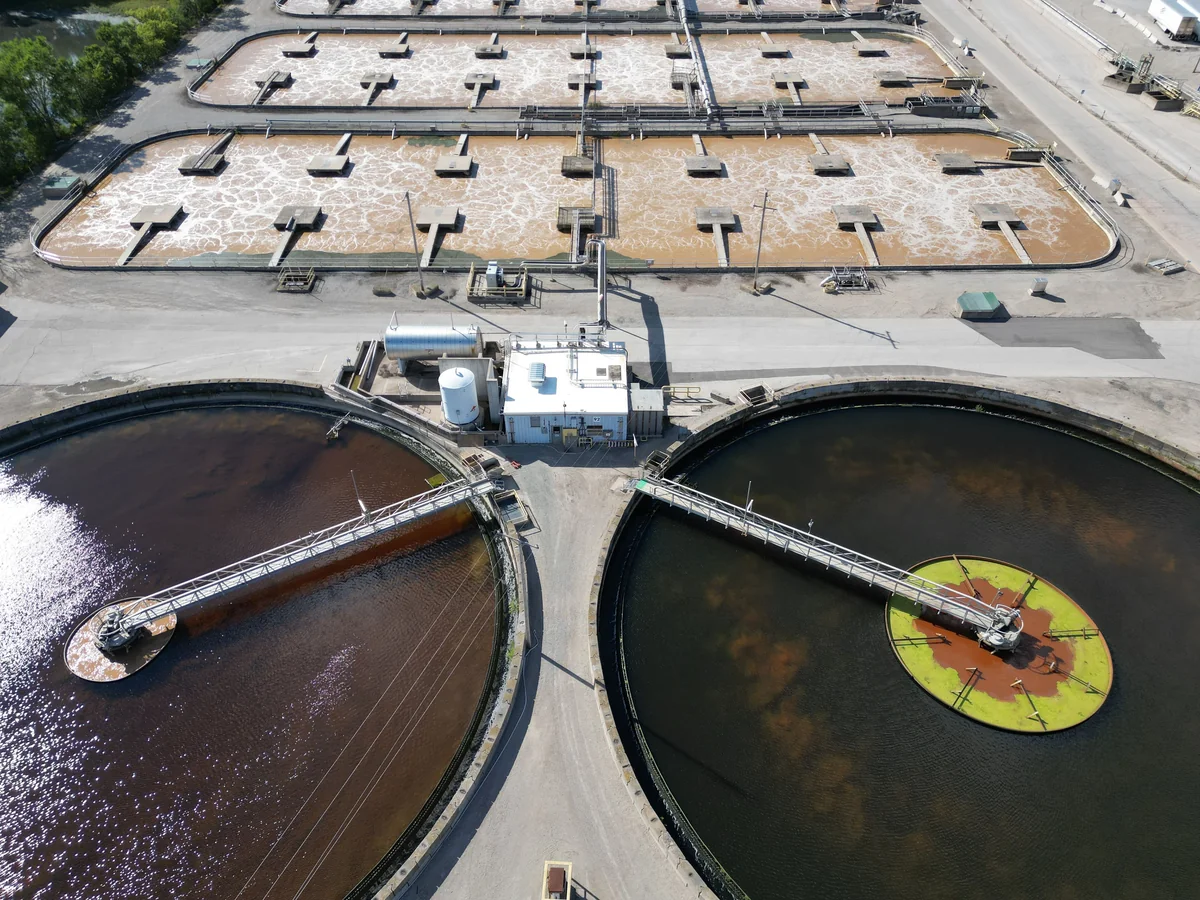
Photo by Giant Asparagus · Source: source page · Licence: Pexels License · Resized proportionally and converted to WebP; original content retained. Displayed in a landscape frame.
This consultancy maps the chosen spatial, temporal and value-chain boundary, then organises withdrawals, discharge, reuse, process activity and supporting evidence for assessment. Depending on the agreed method, outputs may include green, blue and grey water accounts, impact indicators, data gaps and prioritised response options. It is not a certification, legal determination or promise of reduced water use; client and qualified reviewers approve assumptions and conclusions.
01 / SEE THE REVIEW OUTPUT
Water Evidence Review Dashboard
FICTIONAL SAMPLE / one illustrative manufacturing site and reporting period; not customer data. This screen is a static illustration for discussion, not a connected customer system.
PROPOSED DASHBOARD CONCEPT
FICTIONAL SAMPLE / one illustrative manufacturing site and reporting period; not customer dataWater Evidence Review Dashboard
Illustrative source records by evidence stream
Fictional sample values · Fictional record counts compare evidence streams only; they do not measure water performance or environmental impact.
Unit: records
| Evidence source | Records reviewed (count) | Evidence-complete (count) | Activity unit represented | Reviewer reference |
|---|---|---|---|---|
| Intake and meter logs | 14 | 12 | m3 | Site water coordinator |
| Process and product records | 9 | 7 | m3 per defined functional unit | Production owner |
| Discharge and treatment records | 7 | 6 | m3 and quality evidence | EHS reviewer |
AI-assisted draft / requires verification
Fictional sample: 30 source records are shown, 25 are marked evidence-complete and 5 need follow-up. The dashboard does not infer water scarcity, pollution, compliance or reduction potential.
02 / FIVE REVIEW STAGES
Five steps, with an accountable owner.
Evidence, assumptions and open questions move through a human review route. No certification or automatic conclusion is implied.
- 01↓
Set goal and boundary
Define the assessment questionAgree product, process, facility or value-chain scope, functional unit, period, geography and intended use.
OWNER / CONTROLClient sponsor + qualified method reviewer - 02✓
Map water evidence
Trace sources and activity dataInventory intake, recirculation, discharge, supplier and process records with units and evidence owners.
OWNER / CONTROLConsultant + site data owners - 03≡
Account and assess
Apply the agreed methodCalculate the agreed water-footprint accounts or indicators and document assumptions, factors, gaps and uncertainty.
OWNER / CONTROLQualified water-footprint practitioner - 04◎
Review exceptions
Challenge inputs and interpretationRun a structured review of data completeness, boundary consistency, allocation choices and catchment context where applicable.
OWNER / CONTROLClient EHS owner + independent qualified reviewer - 05↗
Handover actions
Prioritise controlled next stepsPresent findings, limitations, evidence gaps and response options for authorised management decisions.
OWNER / CONTROLClient sponsor / authorised decision-maker
If a check fails: Hold the record for its owner, correct the source and preserve the approved manual fallback.
03 / RESPONSIBILITIES
Organise the work. Keep conclusions with people.
The proposed support can structure records and questions; responsible owners still assess evidence, applicability and decisions.
| Review point | Common starting position | Proposed consultancy support | Responsible reviewer |
|---|---|---|---|
| Define study scope | Scope product, site, period and value-chain questions across meetings and spreadsheets. | Propose a structured boundary register and question checklist for consultancy review. | Approve the goal, functional unit, cut-offs, geography and intended communication. |
| Reconcile water records | Compare meter, invoice, process and discharge records by hand. | Organise approved records, flag missing units or periods and draft reconciliation notes. | Verify source evidence, estimates, allocation and treatment assumptions. |
| Assess footprint indicators | Compile calculations and method notes in working files. | Prepare a reviewable calculation structure using agreed factors and documented versions. | Select or approve methods, factors and interpretation; no automatic conclusion is accepted. |
| Plan responses | Collect gaps and options in separate action lists. | Group evidence gaps and candidate actions by owner, boundary and decision gate. | Prioritise actions and confirm feasibility, budget, risk and stakeholder responsibilities. |
Create a traceable evidence base
Use a source register that keeps units, periods, owners, boundaries and evidence status visible.
Make the question decision-ready
Document whether the study concerns a product, process, site, company or selected value-chain stages.
Separate facts from estimates
Record factors, allocation choices, data gaps and reviewer challenges before management uses the findings.
Connect findings to ownership
Translate verified gaps into bounded options for metering, operations, suppliers or catchment engagement.
04 / HONEST HYPOTHETICAL FIGURES
Show the working behind a planning example.
These figures are modest arithmetic for discussion, not customer evidence, forecasts, emissions claims, payroll promises or guaranteed outcomes.
HYPOTHETICAL WORKED EXAMPLE / NOT CUSTOMER RESULTS
42 → 27 combined labour minutes for the same task.
24 one source-record batch reconciled for the agreed assessment boundary units per month × 15 minutes less per unit.
11 → 5 per 100 checked error-affected administrative water-record entries, not water pollution, environmental compliance or operational incidents (6.0 percentage points).
See assumptions and calculations
| Measure | Illustrative calculation | Meaning and limit |
|---|---|---|
| Labour effort | (42 − 27) ÷ 42 × 100 = 35.7% | Same workload and expected review quality; includes ongoing exception checks as scoped. |
| Time capacity | (42 − 27) × 24 ÷ 60 = 6.0 hours | Released time is not payroll savings or guaranteed job reduction. |
| Admin checks | (11 − 5) ÷ 100 = 6.0 percentage points; 54.5% relative | Hypothetical like-for-like administrative check of required fields and traceability, not a measurement of water savings, footprint improvement, compliance or certification readiness. |
Hypothetical same-workload illustration: a client coordinator spends 42 minutes gathering, reconciling and checking one batch, versus 27 minutes with a structured consultancy template and review prompts, including consultant/client review and exception effort; 24 comparable batches per month.
Scenario figures are illustrative arithmetic, not benchmarks, forecasts, actual customer results or guarantees. Measure a like-for-like pilot with the same definitions before making a claim.
05 / PROPOSED DELIVERY
Agree the evidence and review route before work starts.
Confirm the study design
Workshop the decision question, boundary, functional unit, period, geography, stakeholders and agreed method.
What you receiveScope brief, boundary map and data-request register.Build the evidence pack
Review approved meter, invoice, process, discharge and supplier records; log units, factors, versions and gaps.
What you receiveTraceable source register and data-quality log.Prepare findings for review
Calculate the agreed indicators, test assumptions and document uncertainty without presenting estimates as measured facts.
What you receiveDraft assessment workbook and limitations-led findings pack.Handover the action roadmap
Facilitate qualified review and management discussion of evidence gaps, options, owners and follow-up controls.
What you receiveApproved handover note, action register and review checklist.06 / BEFORE YOU INVEST
Inputs, boundaries and ownership should be clear.
These lists are a starting point. Final scope, access, professional responsibility and outputs require written agreement.
What to prepare
- Approved site or product boundary, reporting period, functional unit and process map; owner: project sponsor and EHS lead.
- Meter, utility invoice, abstraction, reuse and discharge records with units and timestamps; owner: facilities or water coordinator.
- Production volumes, bill of materials, process recipes and allocation rules where relevant; owner: production and engineering leads.
- Supplier, logistics or upstream water data approved for the selected value-chain boundary; owner: procurement and supplier manager.
- Applicable method, factor or dataset references with source, version, date and reviewer; owner: qualified water-footprint practitioner.
What to agree in writing
- This is scoped consultancy and a proposed evidence structure, not an installed software product, live meter connection or automatic data-entry application.
- ISO 14046 or another method is selected only within written scope; access to the full standard, external verification and certification are separate matters.
- Water-use, quality, scarcity and allocation interpretations require qualified review and local context; this page is not legal, regulatory or tax advice.
- Use least-necessary approved records, mask personal or supplier-sensitive identifiers and agree access, retention and deletion with qualified Malaysian privacy and security reviewers.
- Dashboard and scenario figures are fictional; actions, integrations, licences, training, recurring support, assurance and any implementation require separate written agreement.
Confidence comes from traceable evidence.
Set definitions, boundaries, source ownership and review responsibility before interpreting a result. A qualified responsible person decides whether a finding is applicable.
07 / CLEAR ANSWERS
10 questions. Practical answers.
Clear answers
Frequently asked questions.
Ten practical answers about scope, sources, review and responsible use.
What does a Water Footprint Assessment cover for a Malaysian manufacturer?
We can scope a product, process, facility, company or selected value-chain assessment. Work may cover goals and boundaries, water accounting, agreed impact indicators, sustainability context, evidence gaps and response options. The exact output depends on the approved method, functional unit, period and geography.
What data should we prepare first?
Start with the boundary and reporting period, then gather meter and utility records, abstraction, reuse and discharge data, production volumes, process information and approved supplier inputs. Each record should retain unit, quantity, source, period, evidence reference and reviewer. Estimates must be labelled and challenged.
Is ISO 14046 the required method?
ISO 14046:2014 provides principles, requirements and guidelines for water-footprint assessment of products, processes and organisations based on life-cycle assessment. The engagement can use it or another agreed method after discovery. Method selection, factor choice and interpretation remain qualified human decisions, and we do not provide the paywalled standard.
Who signs off the boundary, assumptions and findings?
Your sponsor and EHS or sustainability owner should approve the goal, boundary and intended use. A qualified practitioner reviews calculations and assumptions, while relevant production, facilities and procurement owners verify evidence. Management decides actions. AIGreen Plus does not substitute for your authorised signoff or external assurance.
Does this assessment provide certification or assurance?
No. A prepared assessment and readiness pack are distinct from certification, conformity assessment or independent assurance. If a customer, investor or programme requires assurance, confirm the requirement and appoint an appropriately qualified external party under a separate arrangement.
Are the dashboard and time scenario actual results or water savings?
No. The dashboard rows and scenario values are fictional illustrations. The scenario concerns possible administrative effort for gathering and checking records, not headcount, payroll, water, energy, carbon or production savings. A real engagement would define its own baseline, review quality and measurement approach.
How will confidentiality and access be handled?
Use approved, least-necessary records with masked identifiers and named owners. Access, retention, deletion, hosting and transfer terms require written agreement and qualified Malaysian privacy and security review. This page is not a legal compliance determination, and supplier or customer confidentiality constraints must be resolved before sharing data.
Can you work with our existing spreadsheets, meters or ERP exports?
Possibly, after discovery. We can review approved exports or templates and assess whether existing meter, utility, production or supplier records support the agreed boundary. Any API, connector, sensor, map service or live integration is an optional feasibility topic, not an existing capability implied by this page.
How long will the assessment take?
There is no fixed duration promise. Timing depends on boundary complexity, data availability, catchment or value-chain context, method choice, access approvals, exception volume and review capacity. A proposal should set milestones and decision gates after discovery, with a manual fallback for unresolved records.
What affects the quotation and ongoing support?
Scope, number of sites or products, data preparation, method and factor work, supplier engagement, site review, modelling, workshops, assurance liaison, training and reporting format affect cost. A written proposal should separate assessment work from optional implementation, monitoring or support; no price or 24/7 service is implied.
START WITH ONE CLEAR QUESTION
Discuss this outline ↗Discuss Water Footprint Assessment
Share a high-level question and the type of evidence involved—not confidential records. We can discuss discovery, scope and a written way to review the work.
08 / SOURCE NOTES
Check the current public material.
These references support an initial discussion only. They do not make AIGreen Plus an accredited or certified verifier.
Public official material — not accreditation.
- ISO 14046:2014 Environmental management — Water footprint — Principles, requirements and guidelines
ISO's abstract states that ISO 14046 specifies principles, requirements and guidelines for assessing and reporting water footprints of products, processes and organisations based on life-cycle assessment; it also distinguishes reporting from communication such as labels or declarations.
- Water Footprint Network: What is Water Footprint Assessment?
The official page describes four phases—goals and scope, accounting, sustainability assessment and response formulation—and discusses green, blue and grey water footprints, spatial and temporal boundaries, and the need for contextual interpretation.
These official pages support the method framing and four-phase assessment structure only. Applicability, data sufficiency, method choice, local water context and any reporting or assurance requirement must be confirmed for the organisation, boundary and reporting period with qualified advisers; this page is not legal advice or certification.
Dashboards and numerical scenarios are fictional planning examples. The services are proposed consultancy scopes, not certification, accreditation, assurance, legal advice, regulatory approval or a promise of emissions, cost, staffing, safety, quality or market outcomes.
