


ENVIRONMENTAL & ENERGY MANAGEMENT
Environmental Performance Evaluation
Turn scattered environmental records into a reviewable performance picture. Decide next actions with evidence.
AIGreen Plus helps Malaysian manufacturers design a proportionate environmental performance evaluation around agreed boundaries, indicators and evidence. We review activity records, test data quality, facilitate qualified interpretation and hand over a transparent findings pack. This is scoped consultancy, not installed software, certification or independent assurance.
Human review retainedCurrent-source check is conditionalFictional dashboard concept
See the review dashboard ↓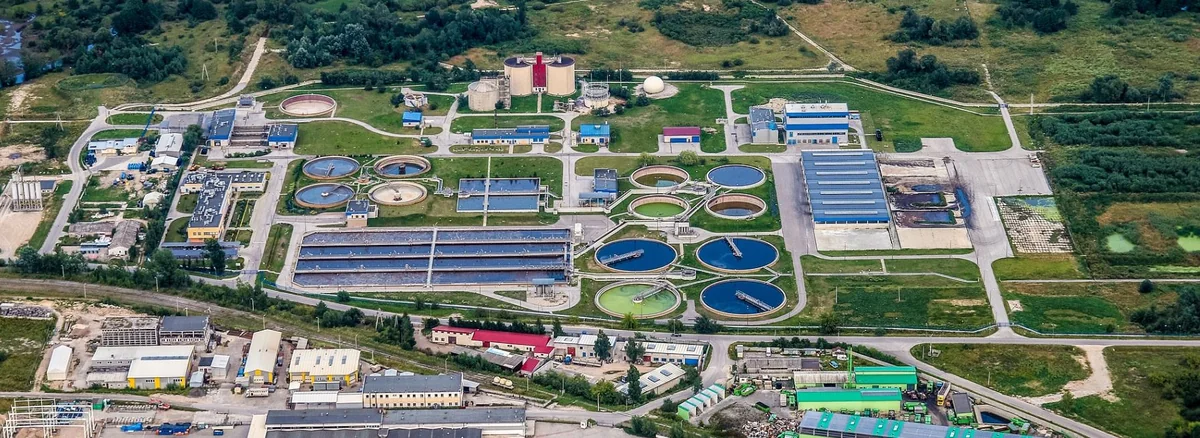
Photo by Michal Jarmoluk (jarmoluk) · Source: source page · Licence: Pixabay Content License · Resized proportionally and converted to WebP; original content retained. Displayed in a landscape frame.
Environmental Performance Evaluation (EPE) is a structured review of how an organisation selects, collects, checks and interprets environmental performance information. We can help a manufacturing team define its site and period boundary, map indicators such as energy, water, waste and emissions, reconcile source records, document limitations and prioritise follow-up. The client retains accountable approval; qualified advisers confirm legal applicability, factors and technical conclusions. ISO 14031:2021 provides guidance, but does not set performance levels or create conformity requirements.
01 / SEE THE REVIEW OUTPUT
Illustrative EPE evidence review
FICTIONAL SAMPLE / one Malaysian plant / quarterly review pack. This screen is a static illustration for discussion, not a connected customer system.
PROPOSED DASHBOARD CONCEPT
FICTIONAL SAMPLE / one Malaysian plant / quarterly review packIllustrative EPE evidence review
Illustrative records by environmental evidence area
Fictional sample values · Bars compare fictional record volumes in the same quarterly sample; they do not show environmental performance or improvement.
Unit: reviewed records
| Evidence area | Reviewed records | Usable records | Follow-up records | Period |
|---|---|---|---|---|
| Energy and fuel | 16 | 13 | 3 | Q3 sample |
| Water and effluent | 12 | 9 | 3 | Q3 sample |
| Waste and materials | 9 | 7 | 2 | Q3 sample |
| Emissions and other indicators | 7 | 5 | 2 | Q3 sample |
AI-assisted draft / requires verification
Illustrative review of 44 records found 34 with usable evidence and 10 needing follow-up. The sample suggests documentation checks should focus on units, periods and evidence references; it does not establish environmental impact, compliance or a final decision.
02 / FIVE REVIEW STAGES
Five steps, with an accountable owner.
Evidence, assumptions and open questions move through a human review route. No certification or automatic conclusion is implied.
- 01↓
Scope and boundaries
Agree purpose, site and periodConfirm intended decisions, organisational and operational boundaries, indicators and exclusions with the client team.
OWNER / CONTROLClient sponsor / qualified consultant - 02✓
Data and evidence map
Trace records to indicatorsMap source owners, activity data, units, factors, period coverage and evidence for each agreed indicator.
OWNER / CONTROLEnvironmental data owner - 03≡
Quality and analysis
Check, reconcile and interpretPerform documented completeness, consistency and plausibility checks, then analyse trends or intensity only where the basis is suitable.
OWNER / CONTROLConsultant / technical data owner - 04◎
Qualified review
Challenge assumptions and limitationsFacilitate review of methods, uncertainties, exceptions and applicability with accountable client and specialist reviewers.
OWNER / CONTROLClient approver / qualified adviser - 05↗
Handover and roadmap
Leave a usable review trailDeliver the indicator register, evidence log, findings, limitations and prioritised next-action roadmap.
OWNER / CONTROLConsultant / client sponsor
If a check fails: Hold the record for its owner, correct the source and preserve the approved manual fallback.
03 / RESPONSIBILITIES
Organise the work. Keep conclusions with people.
The proposed support can structure records and questions; responsible owners still assess evidence, applicability and decisions.
| Review point | Common starting position | Proposed consultancy support | Responsible reviewer |
|---|---|---|---|
| Define indicator set | Teams debate measures across separate spreadsheets and emails. | Proposed facilitated register with agreed definitions, owners and evidence fields. | Client approves purpose, boundary, indicator relevance and exclusions. |
| Reconcile source records | Analyst checks invoices, meter logs and waste records one by one. | Proposed structured review pack highlights missing units, periods and references for checking. | Data owners verify originals, corrections and any estimation basis. |
| Interpret trends | Comparisons are assembled with inconsistent denominators or periods. | Proposed comparable views where period, activity denominator and method are documented. | Qualified reviewers decide whether a comparison is meaningful and explain uncertainty. |
| Prioritise actions | Follow-ups remain in meeting notes without a clear evidence trail. | Proposed action log links each gap to owner, evidence needed and review status. | Authorised management accepts priorities, resources and residual limitations. |
Create one evidence trail
Design a single indicator and source register that links each measure to an owner, unit, period and evidence reference.
Make the evaluation proportionate
Facilitate an agreed site, activity, reporting-period and exclusion boundary before analysis begins.
Improve decision context
Document denominators, methods, assumptions and limitations so management can distinguish a useful comparison from a misleading one.
Turn gaps into accountable actions
Provide a prioritised exception and roadmap log rather than presenting unverified estimates as environmental results.
04 / HONEST HYPOTHETICAL FIGURES
Show the working behind a planning example.
These figures are modest arithmetic for discussion, not customer evidence, forecasts, emissions claims, payroll promises or guaranteed outcomes.
HYPOTHETICAL WORKED EXAMPLE / NOT CUSTOMER RESULTS
50 → 35 combined labour minutes for the same task.
24 one scoped environmental record reconciliation including consultant and client review units per month × 15 minutes less per unit.
12 → 5 per 100 checked error-affected administrative records, not incidents/accidents/disease/product defect outcomes (7.0 percentage points).
See assumptions and calculations
| Measure | Illustrative calculation | Meaning and limit |
|---|---|---|
| Labour effort | (50 − 35) ÷ 50 × 100 = 30.0% | Same workload and expected review quality; includes ongoing exception checks as scoped. |
| Time capacity | (50 − 35) × 24 ÷ 60 = 6.0 hours | Released time is not payroll savings or guaranteed job reduction. |
| Admin checks | (12 − 5) ÷ 100 = 7.0 percentage points; 58.3% relative | Separate hypothetical like-for-like administrative check of 100 records, not a safety, compliance, environmental-impact or performance guarantee. Client reviewers still approve corrections and interpretations. |
Hypothetical same-workload scenario: a client coordinator and consultant spend 50 combined minutes gathering, checking and discussing one record before a structured review pack; after the proposed approach, the same record takes 35 combined minutes because definitions and evidence fields are agreed. Includes exception handling and review effort. It is not a headcount, payroll, emissions, energy or certification claim.
Scenario figures are illustrative arithmetic, not benchmarks, forecasts, actual customer results or guarantees. Measure a like-for-like pilot with the same definitions before making a claim.
05 / PROPOSED DELIVERY
Agree the evidence and review route before work starts.
Evaluation charter
Agree purpose, boundaries, stakeholders, period, indicators and decision questions.
What you receiveSigned-off scope and boundary note with assumptions register.Indicator and evidence register
Propose definitions, units, source owners, evidence expectations and review fields.
What you receiveDraft indicator catalogue and evidence request list.Findings and limitations review
Reconcile supplied records, document exceptions and test the suitability of comparisons.
What you receiveTraceable findings pack with exceptions, methods and limitations.Roadmap handover
Facilitate management review and prioritise practical follow-up actions.
What you receiveAction roadmap, ownership matrix and handover workshop materials.06 / BEFORE YOU INVEST
Inputs, boundaries and ownership should be clear.
These lists are a starting point. Final scope, access, professional responsibility and outputs require written agreement.
What to prepare
- Approved site, process and reporting-period boundary from the client sponsor
- Energy, fuel, water, waste, emissions and other agreed activity records from accountable data owners
- For each relevant record: scope/category where applicable, activity/source, selectable unit, quantity, emission factor and factor unit such as kgCO2e/unit, factor source/version/date, reporting period, evidence and reviewer
- Production, operating-hour or other approved denominators needed for a comparable indicator, with methodology owner
- Existing environmental objectives, prior reports, permits or internal procedures supplied for context; legal applicability is confirmed by qualified advisers
What to agree in writing
- This is scoped consultancy and a proposed evaluation structure, not installed software, a data-entry application or guaranteed system integration.
- ISO 14031:2021 is used as guidance where agreed; it does not set performance levels, certify the client or replace the purchased standard, legal advice or specialist methods.
- Client owners approve data, factors, boundaries and conclusions. External assurance, certification and regulator acceptance require separately appointed competent parties.
- Use the least necessary approved data; anonymise where practical and agree access, retention, confidentiality and sharing controls in writing.
- Vehicle, map, sensor, laboratory and supplier-system integrations are optional feasibility topics subject to discovery, permissions, providers and written scope; outcomes, savings and compliance are not promised.
Confidence comes from traceable evidence.
Set definitions, boundaries, source ownership and review responsibility before interpreting a result. A qualified responsible person decides whether a finding is applicable.
07 / CLEAR ANSWERS
10 questions. Practical answers.
Clear answers
Frequently asked questions.
Ten practical answers about scope, sources, review and responsible use.
What does an Environmental Performance Evaluation engagement cover?
We help define the purpose and boundary, select useful indicators, map records and owners, check evidence and prepare findings with limitations. The output is a reviewable evaluation trail and action roadmap. It is not an environmental permit, legal opinion, certified result or independent assurance report.
What data should a Malaysian manufacturer prepare first?
Start with the agreed site and period, utility and fuel records, water and waste records, relevant emissions information, production or operating denominators, existing objectives and source evidence. Each record should carry its activity/source, unit, quantity, factor basis where used, period and reviewer.
Which method or standard will you use?
The proposed structure can align with ISO 14031:2021 guidance for designing and using environmental performance evaluation. ISO says it applies across organisation types but does not establish performance levels or EMS conformity requirements. Sector methods and legal applicability are confirmed with qualified advisers.
Who signs off the evaluation?
The client retains accountability for boundary, data, assumptions and management decisions. Environmental, engineering, finance or legal specialists may review their relevant parts. We facilitate and document review; we do not substitute for an authorised officer, competent specialist or external assurance provider.
Does this make us ISO certified or independently assured?
No. A scoped EPE can improve readiness and evidence organisation, but it is not certification, accreditation or independent assurance. Any certification or assurance engagement must be contracted with the relevant qualified, independent body and remains subject to its own requirements.
Are the dashboard figures actual results or savings?
No. Dashboard values and the time scenario are fictional examples showing how records and administrative checks may be organised. They are not customer measurements, benchmark estimates, carbon or energy reductions, headcount savings, compliance rates or promised outcomes.
How are confidentiality and access handled?
Access is limited to the least necessary approved records under written scope. We can work with anonymised or aggregated data where suitable and document reviewers, retention and sharing controls. A client’s qualified privacy and legal reviewers must confirm the arrangements; no compliance promise is implied.
Can you use our existing spreadsheets, meters or business systems?
We can assess their suitability during discovery and design a practical handover around available exports. Vehicle tracking, maps, IoT sensors, laboratory systems and supplier portals are optional feasibility topics. No integration or live connection exists unless separately specified, permitted, tested and agreed in writing.
How long will the evaluation take?
Timing depends on boundary complexity, evidence readiness, review availability, site access and specialist input. We do not promise a fixed duration before discovery. We can propose milestones after confirming the scope, data owners, review gates and any external adviser dependencies.
What affects the quotation and ongoing support?
Pricing depends on sites, indicators, data volume, workshops, specialist review, travel, integration feasibility and whether follow-up cycles are requested. A quote will state deliverables, exclusions and any recurring support. Ongoing ownership, updates and response arrangements are agreed separately; 24/7 support is not implied.
START WITH ONE CLEAR QUESTION
Discuss this outline ↗Discuss Environmental Performance Evaluation
Share a high-level question and the type of evidence involved—not confidential records. We can discuss discovery, scope and a written way to review the work.
08 / SOURCE NOTES
Check the current public material.
These references support an initial discussion only. They do not make AIGreen Plus an accredited or certified verifier.
Public official material — not accreditation.
- ISO 14031:2021 Environmental management — Environmental performance evaluation — Guidelines
ISO's official abstract states that ISO 14031:2021 gives guidance for designing and using EPE within an organisation, applies regardless of organisation type, size, location or complexity, does not establish performance levels or EMS conformity requirements, and may need sector-specific sources.
- ISO/TC 207/SC 4 Current Standards
The ISO technical committee page describes EPE design and use and identifies ISO/TS 14033 guidance on defining, collecting, processing, interpreting and presenting quantitative environmental information, including accuracy, verifiability and reliability considerations.
Sources support the bounded description of EPE and quantitative-information handling; they do not determine Malaysian legal applicability, sector thresholds, factor choices, certification or assurance. Confirm the organisation, site, reporting period and any regulatory duties with qualified advisers.
Dashboards and numerical scenarios are fictional planning examples. The services are proposed consultancy scopes, not certification, accreditation, assurance, legal advice, regulatory approval or a promise of emissions, cost, staffing, safety, quality or market outcomes.
