


ENVIRONMENTAL & ENERGY MANAGEMENT
Energy Management System Consultancy
Make energy decisions reviewable. Build ownership, evidence and a practical improvement roadmap.
AIGreen Plus can help a Malaysian manufacturer scope an Energy Management System (EnMS), organise energy evidence, clarify responsibilities and prepare review materials. The engagement is proposed consultancy and bounded digital assistance, not installed software, certification, a statutory determination or a promise of energy or carbon savings.
Human review retainedCurrent-source check is conditionalFictional dashboard concept
See the review dashboard ↓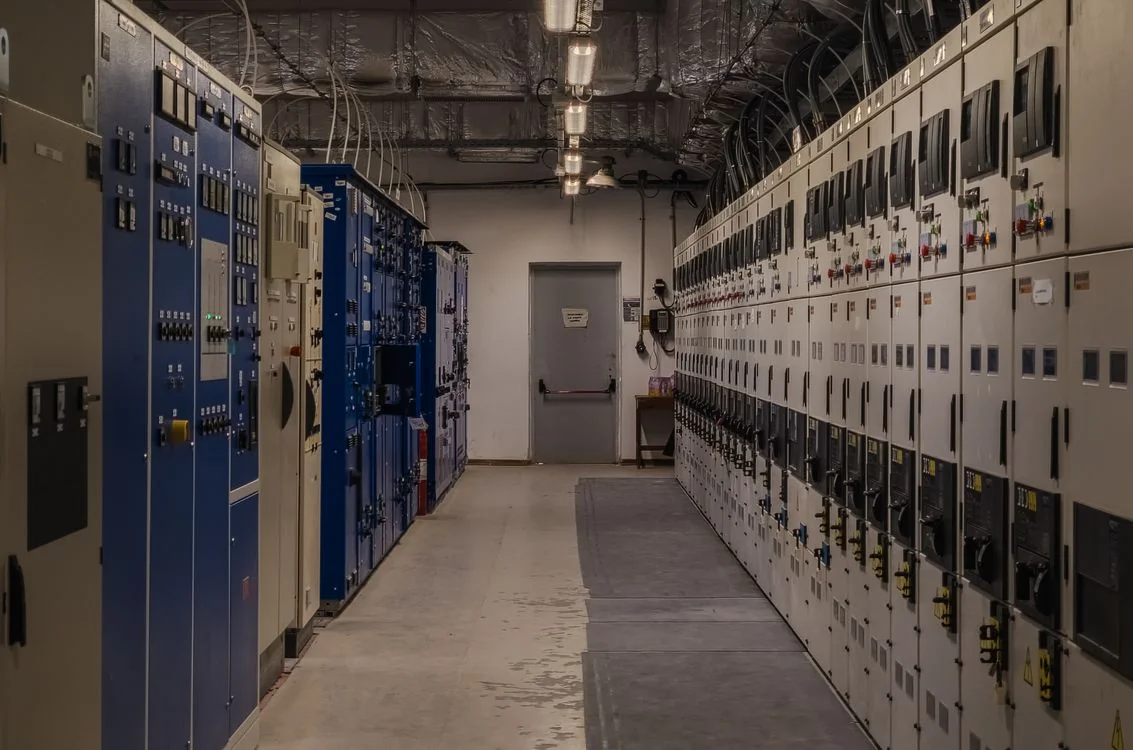
Photo by Vjanodic WERSOV · Source: source page · Licence: Pexels License · Resized proportionally and converted to WebP; original content retained. Displayed in a landscape frame.
This service helps a manufacturing team define its EnMS boundary, energy uses, data structure, objectives, controls, performance review and handover plan. We can review bills, meters, production context and procedures, then prepare a readiness pack with assumptions and evidence gaps. Client owners approve factors, targets and actions. ISO 50001 certification, where desired, is assessed by an independent certification body; Malaysian legal applicability is confirmed separately with qualified advisers.
01 / SEE THE REVIEW OUTPUT
Illustrative EnMS Evidence Readiness
FICTIONAL SAMPLE / four energy-use areas in one proposed review cycle. This screen is a static illustration for discussion, not a connected customer system.
PROPOSED DASHBOARD CONCEPT
FICTIONAL SAMPLE / four energy-use areas in one proposed review cycleIllustrative EnMS Evidence Readiness
Illustrative EnMS work queue
Fictional sample values · Bars compare fictional scoping and review work items, not measured energy performance or achieved reductions
Unit: items
| Energy-use area | Total records | Evidence-ready records | Open evidence gaps | Review status |
|---|---|---|---|---|
| Compressed air | 6 | 4 | 2 | Meter/source check |
| Process heat | 5 | 4 | 1 | Owner review |
| HVAC | 4 | 3 | 1 | Period cross-check |
| Lighting | 3 | 2 | 1 | Evidence request |
AI-assisted draft / requires verification
Illustrative draft: 13 of 18 sample records are marked evidence-ready, while five require follow-up across four energy-use areas. Compressed air has a source check pending. An authorised site owner must validate records and decide actions.
02 / FIVE REVIEW STAGES
Five steps, with an accountable owner.
Evidence, assumptions and open questions move through a human review route. No certification or automatic conclusion is implied.
- 01↓
Scope and boundaries
Agree sites, uses and accountabilityConfirm locations, processes, energy carriers, intended use, reporting period and decision owners before assessment.
OWNER / CONTROLClient sponsor / energy lead - 02✓
Data and energy uses
Map sources, users and evidenceStructure bills, meter readings, fuels, production context and significant energy uses for qualified review.
OWNER / CONTROLEnergy lead / process owners - 03≡
Objectives and controls
Design a reviewable EnMSFacilitate policy, objectives, action, operational-control, procurement and competence records without taking over operations.
OWNER / CONTROLClient management / qualified adviser - 04◎
Analysis and readiness
Test completeness without certifyingSample records, document assumptions and prepare an evidence-led readiness view rather than an audit opinion.
OWNER / CONTROLConsultant / authorised reviewers - 05↗
Review and handover
Leave decisions with managementPresent gaps, options and ownership for management approval, implementation planning or an independent certification conversation.
OWNER / CONTROLTop management / client sponsor
If a check fails: Hold the record for its owner, correct the source and preserve the approved manual fallback.
03 / RESPONSIBILITIES
Organise the work. Keep conclusions with people.
The proposed support can structure records and questions; responsible owners still assess evidence, applicability and decisions.
| Review point | Common starting position | Proposed consultancy support | Responsible reviewer |
|---|---|---|---|
| Energy-use and source register | Teams reconcile invoices, meters, fuels and process context across spreadsheets and folders. | Proposed templates and digital assistance can organise entries, flag missing fields and link evidence references. | The energy lead confirms boundaries, units, sources and significant-energy-use decisions. |
| Energy performance review | Owners calculate trends and normalise context manually before meetings. | A scoped workbook or data structure can standardise periods, variables, assumptions and review prompts. | Qualified client reviewers validate data quality, relevant variables and interpretation. |
| Objectives and action tracking | Actions are copied between meeting notes, maintenance records and management packs. | A proposed action register can connect each action to an owner, evidence, status and review date. | Management selects priorities, resources and operating changes; no action is executed automatically. |
| Readiness pack preparation | A coordinator assembles policy, records, controls and open questions by hand. | Bounded drafting assistance can arrange an index and identify unsupported or incomplete statements. | Authorised reviewers verify every claim; an external body handles any certification assessment. |
Create a traceable evidence structure
Propose a site-specific index linking each energy record to a source, unit, period, owner and review status.
Make priorities explainable
Facilitate documented criteria and assumptions for identifying significant energy uses and relevant variables.
Clarify operational ownership
Map procedures, competence, procurement and maintenance evidence to responsible process owners without taking over operations.
Prepare decision-ready materials
Assemble a readiness pack showing data gaps, assumptions, actions and approval points for management consideration.
04 / HONEST HYPOTHETICAL FIGURES
Show the working behind a planning example.
These figures are modest arithmetic for discussion, not customer evidence, forecasts, emissions claims, payroll promises or guaranteed outcomes.
HYPOTHETICAL WORKED EXAMPLE / NOT CUSTOMER RESULTS
50 → 32 combined labour minutes for the same task.
20 one energy-record reconciliation batch for a defined energy-use area units per month × 18 minutes less per unit.
11 → 4 per 100 checked error-affected administrative energy records, not energy savings, emissions reductions, incidents or compliance outcomes (7.0 percentage points).
See assumptions and calculations
| Measure | Illustrative calculation | Meaning and limit |
|---|---|---|
| Labour effort | (50 − 32) ÷ 50 × 100 = 36.0% | Same workload and expected review quality; includes ongoing exception checks as scoped. |
| Time capacity | (50 − 32) × 20 ÷ 60 = 6.0 hours | Released time is not payroll savings or guaranteed job reduction. |
| Admin checks | (11 − 4) ÷ 100 = 7.0 percentage points; 63.6% relative | Separate hypothetical like-for-like check of administrative record errors under the same review definition; figures are illustrative assumptions, not measured results, benchmarks or guarantees. |
Hypothetical same-workload scenario: a client coordinator spends 50 minutes gathering and reconciling one batch, including consultant prompts, client review and exception effort; a proposed structured template reduces the illustrative task to 32 minutes. This measures administrative effort only, not headcount, payroll, energy performance or carbon reduction.
Scenario figures are illustrative arithmetic, not benchmarks, forecasts, actual customer results or guarantees. Measure a like-for-like pilot with the same definitions before making a claim.
05 / PROPOSED DELIVERY
Agree the evidence and review route before work starts.
Discovery and boundary workshop
Confirm sites, energy carriers, processes, current documents, stakeholders, reporting period and decision rights.
What you receiveApproved scope note, responsibility map and evidence request listData structure and EnMS design
Develop energy-use, relevant-variable, objective, control and evidence structures with qualified client owners.
What you receiveDraft registers, data dictionary and control mapEvidence review and gap log
Trace selected records, document assumptions and separate missing evidence from unresolved technical or regulatory questions.
What you receiveSample-based readiness review, exception log and review promptsManagement handover
Present findings and options for client approval, implementation planning or an independent certification-body conversation.
What you receiveManagement-review pack, action roadmap and ownership handover06 / BEFORE YOU INVEST
Inputs, boundaries and ownership should be clear.
These lists are a starting point. Final scope, access, professional responsibility and outputs require written agreement.
What to prepare
- Approved site and process boundary, organisational roles and reporting period from the client sponsor
- Electricity, fuel, steam, refrigerant or other energy invoices and meter records supplied by facilities or finance owners
- Production volumes, operating hours, weather or other relevant-variable context approved by process owners
- Existing energy policy, objectives, maintenance, procurement, competence, operational-control and management-review records
- Proposed organisational data structure for Scope 1, Scope 2 and Scope 3 where relevant: scope/category, activity/source, selectable unit, activity quantity, emission factor and factor unit such as kgCO2e/unit, factor source/version/date, reporting period, evidence and reviewer; client-approved factors only
What to agree in writing
- This is scoped consultancy and proposed digital assistance, not an installed EnMS platform, automated metering service, controls system or replacement for site procedures.
- AIGreen Plus does not issue ISO certification, accredited assurance, legal opinions, tax advice or Energy Commission determinations; applicability is confirmed for the organisation and reporting period with qualified advisers.
- Client management and competent owners approve boundaries, units, factors, significant-energy-use decisions, targets, controls, records and final statements; no energy, carbon or cost outcome is guaranteed.
- Access, confidentiality, retention, anonymisation, security, any system connection and manual fallback require written scope and least-necessary permissions.
- Fees, timing, travel, recurring support, training, testing, licences, external audits, Registered Energy Manager or auditor services and implementation work are separate quote items unless expressly agreed.
Confidence comes from traceable evidence.
Set definitions, boundaries, source ownership and review responsibility before interpreting a result. A qualified responsible person decides whether a finding is applicable.
07 / CLEAR ANSWERS
10 questions. Practical answers.
Clear answers
Frequently asked questions.
Ten practical answers about scope, sources, review and responsible use.
What does Energy Management System Consultancy cover for a Malaysian manufacturer?
It can cover the EnMS boundary, energy-use register, data structure, relevant variables, objectives, controls, evidence sampling and management-review preparation. The exact work is agreed after discovery and remains consultancy, not a delivered software platform, certification audit or statutory determination.
What energy information should we provide first?
Start with the chosen site and period, energy bills or meter records, fuel and steam data, operating hours, production context, existing policies and responsible owners. We will identify gaps rather than invent readings or factors. Sensitive material can be anonymised where the agreed review still works.
Which method or standard can guide the work?
The proposed structure can align to ISO 50001 concepts such as policy, objectives, data-informed decisions, measurement, review and continual improvement. The ISO page states certification is possible but not obligatory. Any Malaysian EECA applicability or reporting question is checked for the organisation and period with qualified advisers.
Who signs off the boundary, targets and energy factors?
Your authorised management sponsor and competent energy or process owners retain approval. They confirm site boundaries, units, relevant variables, factors, significant-energy-use choices, targets and actions. AIGreen Plus can facilitate and document review, but it does not replace accountable management or a Registered Energy Manager where one is required.
Does this consultancy provide ISO 50001 certification or assurance?
No. We can prepare a scoped readiness pack and identify evidence questions, but we are not representing this service as accredited certification or independent assurance. ISO explains that ISO itself does not perform certification; an organisation seeking certification must engage an appropriate independent certification body.
Are the dashboard figures or scenario minutes our actual performance?
No. Dashboard rows and administrative-effort figures are fictional illustrations designed to show how a review could be structured. They are not your energy use, savings, emissions, costs, benchmark or headcount result. Actual measurement requires approved sources, defined boundaries, suitable factors and client review.
How are confidentiality and access handled?
Access, retention, anonymisation, security, permitted systems and deletion or handback are agreed in writing using least-necessary permissions. The service does not imply a compliance certification or 24/7 monitoring promise. Malaysian privacy, employment, regulatory and contractual questions should be reviewed by the client’s qualified advisers.
Can this work use our existing spreadsheets, meters or systems?
Possibly, subject to discovery, permissions, data quality, provider terms and written scope. We can propose a workbook, import structure or manual fallback, but do not imply an existing integration, live meter feed, IoT collection or fleet/map service. Client owners remain responsible for source-system accuracy.
How long will the EnMS consultancy take?
Timing depends on the number of sites, data completeness, access, workshops, review cycles and whether legal or technical questions need another adviser. We do not promise a duration before scoping. A written plan can identify milestones, dependencies, client reviewers and decision gates once those factors are known.
What affects the quote and ongoing support boundaries?
Scope is shaped by sites, energy carriers, reporting periods, workshops, travel, data preparation, system access, training, testing, external audit or Registered Energy Manager involvement and recurring review needs. We provide a written proposal rather than fabricated prices; ongoing support, response times and ownership are agreed separately.
START WITH ONE CLEAR QUESTION
Discuss this outline ↗Discuss Energy Management System Consultancy
Share a high-level question and the type of evidence involved—not confidential records. We can discuss discovery, scope and a written way to review the work.
08 / SOURCE NOTES
Check the current public material.
These references support an initial discussion only. They do not make AIGreen Plus an accredited or certified verifier.
Public official material — not accreditation.
- ISO 50001 — Energy management
ISO's public overview describes an EnMS framework involving policy, objectives, data-informed decisions, measurement, review and continual improvement, and states that ISO 50001 certification is possible but not obligatory and ISO does not perform certification.
- Suruhanjaya Tenaga — Energy Efficiency and Conservation Act (EECA) 2024
Malaysia's Energy Commission page states EECA 2024 took effect on 1 January 2025, applies to Peninsular Malaysia and Labuan, and lists EnMS guidelines and energy-consumer application materials; it supports context only, not a determination that every manufacturer is covered.
- Suruhanjaya Tenaga — Requirements for implementing an EnMS under EECA 2024
The Energy Commission FAQ says applicable energy consumers must develop and implement an EnMS under Commission guidelines and states the one-year timing from first Registered Energy Manager appointment; applicability must be confirmed for the organisation and period.
Official ISO and Malaysian Energy Commission pages support the bounded EnMS, certification and EECA context above. They do not determine a particular manufacturer's legal applicability, energy factors, performance or certification outcome; qualified advisers and authorised client owners must confirm those matters for the relevant site and reporting period.
Dashboards and numerical scenarios are fictional planning examples. The services are proposed consultancy scopes, not certification, accreditation, assurance, legal advice, regulatory approval or a promise of emissions, cost, staffing, safety, quality or market outcomes.
