


CLIMATE CHANGE & NET ZERO
Climate Scenario Analysis
Turn plausible climate futures into a reviewable decision brief. Keep assumptions visible and decisions human-led.
AIGreen Plus can facilitate a scoped climate scenario analysis for a Malaysian manufacturer: define the decision question, select defensible physical and transition-risk lenses, map evidence, test sensitivities and document review. The engagement produces a qualified working brief, not a forecast, certification or guaranteed resilience outcome.
Human review retainedCurrent-source check is conditionalFictional dashboard concept
See the review dashboard ↓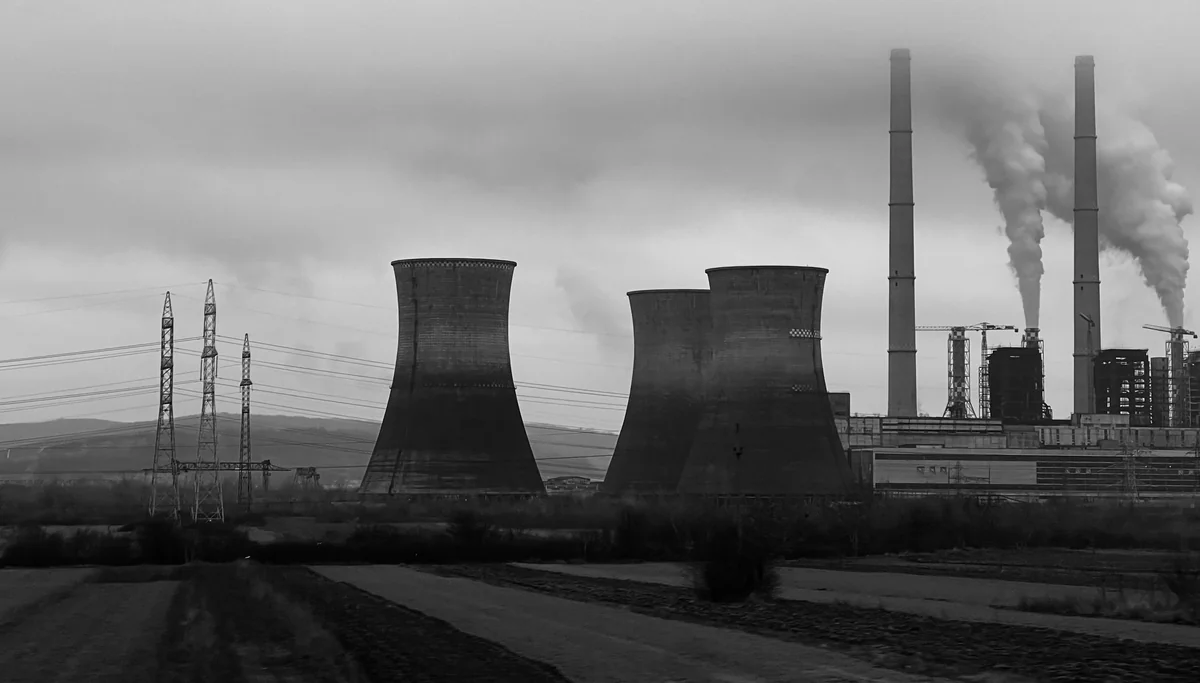
Photo by marius vasile · Source: source page · Licence: Pexels License · Resized proportionally and converted to WebP; original content retained. Displayed in a landscape frame.
Climate scenario analysis explores how a facility, product line or business plan could be affected under different plausible climate futures. We help management define the boundary and time horizons, assemble site, energy, supply-chain and financial evidence, compare physical and transition assumptions, and record actions or open questions. A qualified client owner reviews assumptions, materiality and conclusions; the work does not determine legal duties or replace engineering, financial, insurance or assurance advice.
01 / SEE THE REVIEW OUTPUT
Illustrative Scenario Evidence Review
FICTIONAL SAMPLE / four site-and-value-chain evidence records. This screen is a static illustration for discussion, not a connected customer system.
PROPOSED DASHBOARD CONCEPT
FICTIONAL SAMPLE / four site-and-value-chain evidence recordsIllustrative Scenario Evidence Review
Fictional evidence by scenario lens
Fictional sample values · Bars compare the four fictional records by analysis lens; they are not exposure, loss or performance results
Unit: records
| Record | Boundary / lens | Evidence status | Owner | Review note |
|---|---|---|---|---|
| Site A rainfall | Plant / acute physical | Review-ready | Facilities | Assumption and source logged |
| Site B heat | Plant / chronic physical | Review-ready | Operations | Exposure narrative checked |
| Export demand | Product route / transition | Review-ready | Commercial | Market assumption needs sign-off |
| Energy-price sensitivity | Factory / transition | Gap open | Finance | Historical series not supplied |
AI-assisted draft / requires verification
Fictional draft: three of four records are marked review-ready, while the energy-price sensitivity remains open. The table supports a review queue only; it does not infer exposure, loss, resilience or a management decision.
02 / FIVE REVIEW STAGES
Five steps, with an accountable owner.
Evidence, assumptions and open questions move through a human review route. No certification or automatic conclusion is implied.
- 01↓
Frame the question
Boundary, decision and horizonsAgree the site, value-chain boundary, time horizons, decision use and scenario selection criteria.
OWNER / CONTROLClient sponsor / consultant - 02✓
Build the evidence
Collect assumptions and recordsOrganise asset, location, energy, supplier, market and financial evidence with provenance and gaps.
OWNER / CONTROLData owners / consultant - 03≡
Test scenarios
Compare plausible climate futuresApply documented physical and transition lenses and show sensitivities without presenting them as predictions.
OWNER / CONTROLClimate-risk analyst - 04◎
Review implications
Challenge material assumptionsFacilitate cross-functional review of exposure narratives, uncertainties, options and escalation points.
OWNER / CONTROLManagement review group - 05↗
Hand over the brief
Actions, gaps and ownershipDeliver a traceable scenario pack with limitations, action owners, revisit triggers and sign-off fields.
OWNER / CONTROLClient accountable owner
If a check fails: Hold the record for its owner, correct the source and preserve the approved manual fallback.
03 / RESPONSIBILITIES
Organise the work. Keep conclusions with people.
The proposed support can structure records and questions; responsible owners still assess evidence, applicability and decisions.
| Review point | Common starting position | Proposed consultancy support | Responsible reviewer |
|---|---|---|---|
| Define scenario boundary | Teams debate scope and horizons across separate files | Proposed consultancy template links question, boundary, lens and evidence | Sponsor approves the boundary and intended use |
| Trace assumptions | Analysts search for source versions and record gaps inconsistently | Proposed evidence register captures source, date, unit, geography and limitation | Data owner and reviewer validate relevance and provenance |
| Compare implications | Narratives and sensitivities are reconciled in meetings | Proposed structured comparison highlights scenario-dependent implications | Qualified reviewer challenges interpretation and materiality |
| Maintain action log | Follow-ups sit in emails or meeting notes | Proposed handover pack assigns actions, triggers and next review date | Management accepts, changes or rejects actions |
Make the decision question explicit
Set a defensible organisational, site or product boundary before collecting evidence.
Create traceable assumptions
Link each scenario input to an owner, period, source and limitation so gaps remain visible.
Expose sensitivity
Compare plausible cases and uncertainty rather than presenting one forecast as fact.
Turn review into governance
Return an action and revisit register for management discussion, approval and follow-through.
04 / HONEST HYPOTHETICAL FIGURES
Show the working behind a planning example.
These figures are modest arithmetic for discussion, not customer evidence, forecasts, emissions claims, payroll promises or guaranteed outcomes.
HYPOTHETICAL WORKED EXAMPLE / NOT CUSTOMER RESULTS
35 → 20 combined labour minutes for the same task.
24 one evidence record reconciled for a scenario review units per month × 15 minutes less per unit.
9 → 5 per 100 checked error-affected scenario evidence entries, not environmental incidents, compliance findings or financial losses (4.0 percentage points).
See assumptions and calculations
| Measure | Illustrative calculation | Meaning and limit |
|---|---|---|
| Labour effort | (35 − 20) ÷ 35 × 100 = 42.9% | Same workload and expected review quality; includes ongoing exception checks as scoped. |
| Time capacity | (35 − 20) × 24 ÷ 60 = 6.0 hours | Released time is not payroll savings or guaranteed job reduction. |
| Admin checks | (9 − 5) ÷ 100 = 4.0 percentage points; 44.4% relative | Separate hypothetical like-for-like administrative check of 100 entries; the figures are illustrative and not a benchmark, forecast or assurance conclusion. |
Hypothetical same-workload comparison: a client analyst and consultant spend 35 combined minutes locating, reconciling and checking one record before a structured template, versus 20 combined minutes after it. Both include review and exception effort; this is administrative effort only, not headcount reduction or a climate result.
Scenario figures are illustrative arithmetic, not benchmarks, forecasts, actual customer results or guarantees. Measure a like-for-like pilot with the same definitions before making a claim.
05 / PROPOSED DELIVERY
Agree the evidence and review route before work starts.
Scope workshop
Clarify the business decision, boundary, geography, horizons, users and applicable reporting context.
What you receiveApproved scope and scenario-question sheetEvidence register
Compile approved records, source notes, units, periods, owners and unresolved gaps.
What you receiveTraceable evidence and assumption registerScenario review
Compare physical and transition lenses, sensitivities and implications in facilitated review sessions.
What you receiveScenario comparison and limitations packManagement handover
Record decisions, actions, triggers, owners and items requiring specialist or external advice.
What you receiveHuman-reviewed brief and action register06 / BEFORE YOU INVEST
Inputs, boundaries and ownership should be clear.
These lists are a starting point. Final scope, access, professional responsibility and outputs require written agreement.
What to prepare
- Client-approved boundary, site and asset register from operations or facilities owners
- Historical weather, hazard, utility, energy and interruption records with source, period and unit from facilities and finance
- Supplier, logistics, customer, product and market exposure information from procurement and commercial owners
- Strategy, capex, insurance, risk-register and financial sensitivity assumptions from management and finance
- Applicable disclosure context, scenario preferences, reviewer roles and sign-off criteria from governance or sustainability owner
What to agree in writing
- This is scoped consultancy and a proposed template approach, not installed software, a live dashboard or automatic data collection.
- Scenario outputs are plausible, assumption-dependent explorations; they are not forecasts, quantified loss guarantees, carbon or energy savings, or resilience certification.
- Client owners approve data, assumptions and actions; engineering, finance, insurance, legal, tax and qualified reporting advisers retain their decisions.
- Use minimum necessary approved or anonymised data, controlled access and agreed retention; do not send personal, confidential or export-controlled data until access terms are written.
- Applicability of IFRS S2, Bursa or other Malaysian requirements is confirmed for the organisation and reporting period with qualified advisers; quotation, integrations, licences, recurring support and assurance require separate written scope.
Confidence comes from traceable evidence.
Set definitions, boundaries, source ownership and review responsibility before interpreting a result. A qualified responsible person decides whether a finding is applicable.
07 / CLEAR ANSWERS
10 questions. Practical answers.
Clear answers
Frequently asked questions.
Ten practical answers about scope, sources, review and responsible use.
What does a climate scenario analysis engagement cover?
It covers a defined decision question, boundary and time horizons; evidence collection; selected physical and transition-risk lenses; documented assumptions; sensitivity discussion; and a human-reviewed brief with gaps and actions. It does not promise a prediction, quantified loss result or certification.
What data should a Malaysian manufacturer prepare first?
Start with site and asset locations, operating periods, weather or hazard records, energy and interruption data, suppliers and logistics, customer or product exposures, strategy and financial sensitivities. Each record should retain its owner, period, unit, source or version and review status.
Which method or standard will you use?
The method is agreed during scoping. IFRS S2 can inform climate-risk and resilience disclosure context, while NGFS materials can inform scenario design. The selected approach depends on the decision and reporting context, and is not a claim that your organisation must apply either source.
Who approves the assumptions and final actions?
Your accountable sponsor and designated data owners approve the boundary and evidence. A qualified reviewer challenges assumptions and limitations. Management or the authorised risk owner accepts, changes or rejects actions; AIGreen Plus does not make the organisation’s final governance decision.
Is this climate assurance or certification readiness?
No. Scenario analysis is decision-support consultancy. It can organise evidence and identify questions for later reporting or assurance, but it is not independent assurance, an accredited certification service, a regulator opinion or a guarantee of conformity.
Are the dashboard and time figures actual customer results?
No. Dashboard rows, scenario metrics and administrative-effort figures are fictional illustrations designed to show coherent calculations. They are not measured emissions, avoided costs, energy improvements, headcount savings, benchmarks or promised outcomes. We would agree measurement definitions before any pilot.
How are confidentiality and access handled?
Share only approved or anonymised material through access arrangements agreed in writing. We can define roles, review copies, retention and deletion expectations during scoping. This page is not a cybersecurity or Malaysian privacy compliance promise, so qualified local review remains appropriate.
Can this use our existing systems and spreadsheets?
Possibly, subject to discovery, permissions, data quality and written scope. We can review exports or templates without implying an existing integration. Fleet tracking, maps, sensors and provider interfaces are optional feasibility topics, not services already operating here.
How long does the work take?
Timing depends on boundary complexity, site and supply-chain coverage, data readiness, reviewer availability and the number of scenarios. We do not invent a duration on this page. A written plan can set milestones after a discovery discussion and evidence check.
What affects the quotation and ongoing support?
Drivers include sites, products or value-chain coverage, scenario depth, data cleaning, workshops, specialist review, languages, deliverables, access controls and any agreed update cycle. We do not publish fabricated prices or promise 24/7 support; recurring work and support terms require a separate written agreement.
START WITH ONE CLEAR QUESTION
Discuss this outline ↗Discuss Climate Scenario Analysis
Share a high-level question and the type of evidence involved—not confidential records. We can discuss discovery, scope and a written way to review the work.
08 / SOURCE NOTES
Check the current public material.
These references support an initial discussion only. They do not make AIGreen Plus an accredited or certified verifier.
Public official material — not accreditation.
- IFRS S2 Climate-related Disclosures
IFRS Foundation description of climate-related physical and transition risks, opportunities, governance, strategy, risk processes and disclosure context; used without asserting that every Malaysian manufacturer is in scope.
- NGFS publishes updated Guide on Climate Scenario Analysis
NGFS description of scenario analysis as a forward-looking tool using climate scenarios for risk assessment and decision-making, including physical and transition dimensions; used as methodological context, not a company-specific forecast.
These official sources support the bounded description of climate scenario analysis, physical and transition-risk lenses, and disclosure or risk-management context. They do not establish Malaysian legal applicability, a company-specific exposure, a forecast or assurance conclusion; qualified advisers should confirm the organisation and reporting period.
Dashboards and numerical scenarios are fictional planning examples. The services are proposed consultancy scopes, not certification, accreditation, assurance, legal advice, regulatory approval or a promise of emissions, cost, staffing, safety, quality or market outcomes.
