


CBAM & CARBON REGULATIONS
Carbon Tax Exposure Assessment
Turn carbon records into a reviewable exposure picture. Separate evidence from assumptions.
AIGreen Plus can help a Malaysian manufacturer define organisational and operational boundaries, organise Scope 1, 2 and relevant Scope 3 evidence, and screen potentially relevant jurisdictions or customer requests. The work is a scoped consultancy assessment with qualified human review, not a tax opinion, filing or guaranteed outcome.
Human review retainedCurrent-source check is conditionalFictional dashboard concept
See the review dashboard ↓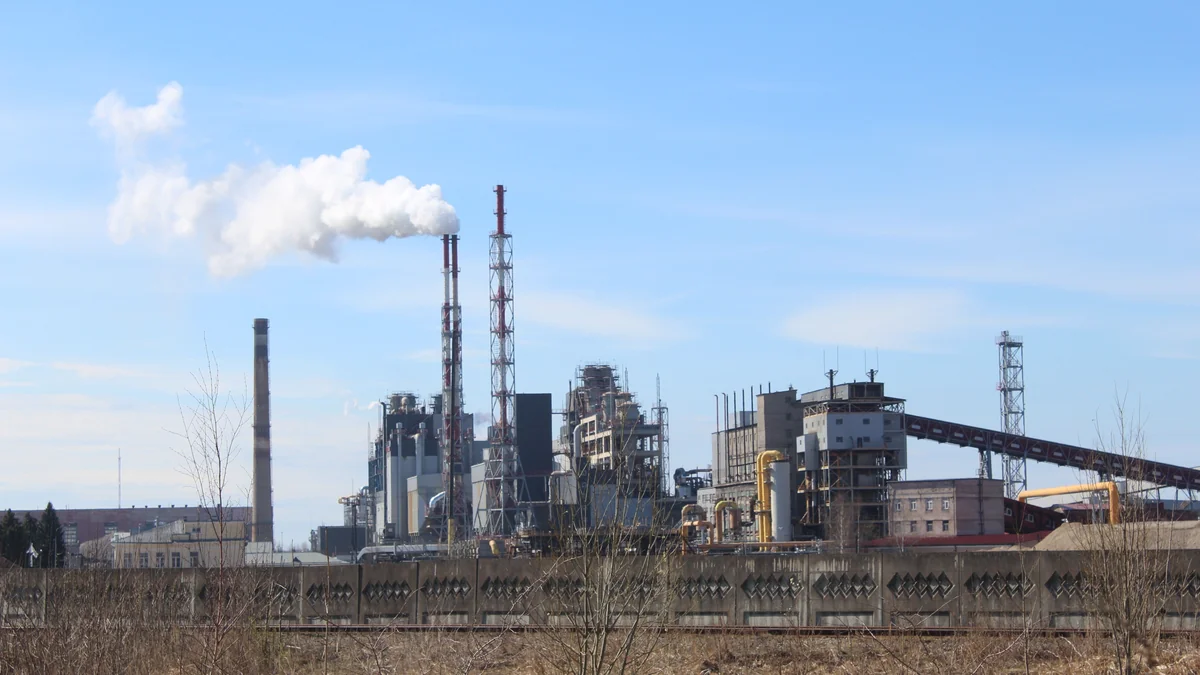
Photo by Paolo Rossa · Source: source page · Licence: Pexels License · Resized proportionally and converted to WebP; original content retained. Displayed in a landscape frame.
Carbon Tax Exposure Assessment organises activity data, emission-factor provenance, products, sites, periods and export destinations into an illustrative emissions inventory and an exposure register. It distinguishes Malaysian policy signals from a confirmed taxable base, rate or liability, and screens EU CBAM relevance where the product and importer facts support it. Consultants document gaps and assumptions; authorised management and qualified legal or tax advisers make applicability and filing decisions.
01 / SEE THE REVIEW OUTPUT
Illustrative Carbon Exposure Evidence Board
FICTIONAL SAMPLE / four source rows for one reporting period and export screen. This screen is a static illustration for discussion, not a connected customer system.
PROPOSED DASHBOARD CONCEPT
FICTIONAL SAMPLE / four source rows for one reporting period and export screenIllustrative Carbon Exposure Evidence Board
Illustrative inventory emissions by scope
Fictional sample values · Bars compare hypothetical inventory rows only; they do not show a tax rate, certificate price, taxable amount or carbon reduction.
Unit: tCO2e for the fictional period
| Source row | Scope / screen | Activity quantity | Illustrative tCO2e | Evidence status |
|---|---|---|---|---|
| Factory gas boilers | Scope 1 | 18,000 GJ | 1,020 | Fuel invoices and meter log |
| Purchased electricity | Scope 2 | 240,000 kWh | 120 | Utility bills; period stated |
| Aluminium inputs | Scope 3 Cat. 1 | 600 t | 900 | Supplier factor source pending |
| EU-bound product records | Exposure screen | 24 consignments | 16 complete | Export pack sample |
AI-assisted draft / requires verification
The fictional sample contains 2,040 tCO2e across three illustrative inventory rows, with one row needing follow-up. The export screen is incomplete for exposure purposes; no tax liability or regulatory conclusion is drawn.
02 / FIVE REVIEW STAGES
Five steps, with an accountable owner.
Evidence, assumptions and open questions move through a human review route. No certification or automatic conclusion is implied.
- 01↓
Set scope and jurisdictions
Define entities, sites, periods and marketsAgree the organisational boundary, reporting period, products, export destinations and questions that the assessment may answer.
OWNER / CONTROLConsultant / authorised sponsor - 02✓
Collect traceable activity data
Build a controlled evidence registerGather fuel, electricity, process, purchased-goods, logistics and trade records with units, owners and source dates.
OWNER / CONTROLData owners / finance and operations - 03≡
Calculate an illustrative inventory
Separate quantities from factor assumptionsMap Scope 1, 2 and relevant Scope 3 categories, record activity quantities and factors, and preserve factor unit, source, version and date.
OWNER / CONTROLGHG accounting consultant - 04◎
Screen exposure and exceptions
Check rules without deciding liabilityCompare product, entity, destination and period facts with current official guidance, flag gaps and separate an inventory from any taxable base or rate.
OWNER / CONTROLConsultant / qualified adviser review - 05↗
Handover a review pack
Make decisions and next checks explicitDeliver assumptions, evidence gaps, questions for advisers and a management action register for approval or further verification.
OWNER / CONTROLAuthorised management
If a check fails: Hold the record for its owner, correct the source and preserve the approved manual fallback.
03 / RESPONSIBILITIES
Organise the work. Keep conclusions with people.
The proposed support can structure records and questions; responsible owners still assess evidence, applicability and decisions.
| Review point | Common starting position | Proposed consultancy support | Responsible reviewer |
|---|---|---|---|
| Consolidate fuel and electricity records | Reconcile spreadsheets, bills, meters and period cut-offs by hand. | Proposed structured register flags missing units, dates, owners and duplicate rows. | Data owners confirm quantities, boundary and source evidence. |
| Maintain factor provenance | Copy factors into working files with inconsistent citations or versions. | Proposed template captures factor, unit, source, version and checked date beside each activity. | GHG lead approves the factor choice and documents material limitations. |
| Screen products and markets | Read guidance and match products, codes, destinations and importer facts across folders. | Proposed evidence matrix highlights missing classification and jurisdiction questions. | Qualified tax, legal or trade advisers confirm applicability and obligations. |
| Track exceptions and decisions | Use email threads and meeting notes to chase unresolved exposure questions. | Proposed action log groups gaps by owner, evidence needed and decision status. | Authorised management accepts, rejects or escalates each action. |
Make the inventory perimeter explicit
Document entities, facilities, activities, reporting period and exclusions before discussing exposure.
Keep carbon evidence auditable in principle
Attach unit, source, version and date to each factor without claiming certified assurance.
Separate screening from determination
Present an illustrative emissions inventory separately from any taxable base, rate, credit or liability question.
Give advisers a focused fact pack
Organise product, CN code, destination, importer, embedded-emissions and evidence-gap questions for qualified review.
04 / HONEST HYPOTHETICAL FIGURES
Show the working behind a planning example.
These figures are modest arithmetic for discussion, not customer evidence, forecasts, emissions claims, payroll promises or guaranteed outcomes.
HYPOTHETICAL WORKED EXAMPLE / NOT CUSTOMER RESULTS
90 → 45 combined labour minutes for the same task.
24 one monthly source-record and exposure-screen packet units per month × 45 minutes less per unit.
10 → 4 per 100 checked error-affected administrative records, not tax incidents, emissions reductions, compliance findings or product outcomes (6.0 percentage points).
See assumptions and calculations
| Measure | Illustrative calculation | Meaning and limit |
|---|---|---|
| Labour effort | (90 − 45) ÷ 90 × 100 = 50.0% | Same workload and expected review quality; includes ongoing exception checks as scoped. |
| Time capacity | (90 − 45) × 24 ÷ 60 = 18.0 hours | Released time is not payroll savings or guaranteed job reduction. |
| Admin checks | (10 − 4) ÷ 100 = 6.0 percentage points; 60.0% relative | Separate hypothetical like-for-like check of records with missing or inconsistent unit, period, factor or evidence fields; not a benchmark, measured customer result or assurance conclusion. |
FICTIONAL same-workload scenario: a client coordinator and consultant review one 24-record packet. Before is 90 combined minutes to gather, reconcile and check exceptions; after is 45 combined minutes using a structured evidence register, including consultant review and unresolved-exception effort. This is administrative effort only, not headcount reduction, payroll saving, emissions improvement or certification.
Scenario figures are illustrative arithmetic, not benchmarks, forecasts, actual customer results or guarantees. Measure a like-for-like pilot with the same definitions before making a claim.
05 / PROPOSED DELIVERY
Agree the evidence and review route before work starts.
Agree the assessment brief
Confirm entities, plants, products, periods, jurisdictions, intended users and boundaries, including what is expressly outside scope.
What you receiveSigned-off scope note and evidence request listBuild the GHG evidence register
Structure Scope 1, 2 and relevant Scope 3 categories around activities, selectable units, activity quantities, factors and source provenance.
What you receiveVersioned activity and factor register with evidence statusRun exposure screens and review gaps
Compare product, trade and location facts with official guidance available for the assessed date, while recording assumptions and adviser questions.
What you receiveIllustrative inventory, jurisdiction screen and exception logPresent decisions and handover
Walk management through limitations, unresolved evidence, owner actions and questions requiring qualified tax, legal or trade advice.
What you receiveManagement briefing pack and prioritised next-step register06 / BEFORE YOU INVEST
Inputs, boundaries and ownership should be clear.
These lists are a starting point. Final scope, access, professional responsibility and outputs require written agreement.
What to prepare
- Approved organisational boundary, facility list, reporting period and activity owners from management and operations
- Scope 1 fuel and process activity records with activity type, selectable unit, quantity, meter or invoice evidence and period
- Scope 2 purchased electricity, steam, heat or cooling records with quantity, location, supplier evidence and factor treatment
- Relevant Scope 3 category and activity data such as purchased goods, logistics or business travel, with supplier or calculation evidence
- Emission-factor register containing factor value, unit, source, version, publication or access date, geography and method, plus product codes, destinations, importer facts and export records where exposure is screened
What to agree in writing
- The assessment is consultancy marketing and an illustrative readiness screen; it is not legal or tax advice, a return, a filing, a taxable-base determination or a promise of applicability.
- Any Malaysian carbon-tax mechanism, sector coverage, commencement, rate, allowance, credit or exemption must be confirmed for the organisation and reporting period by qualified advisers; the Budget 2026 statement signals an initial focus on iron, steel and energy but does not establish every manufacturer's liability.
- EU CBAM review is limited to facts supplied about selected goods, CN classification, destination, importer and period; importer obligations and embedded-emissions requirements remain with the responsible parties under current official rules.
- Access is limited to approved, anonymised or aggregated records where possible; retention, transfers, security, factor licensing, external verification and any system connection require written agreement.
- AIGreen Plus does not provide accredited assurance, regulator acceptance, tax opinions, legal determinations, guaranteed savings, carbon reductions or 24/7 support; authorised people retain approval and sign-off.
Make activity, units and evidence easy to check.
Tax-exposure records connect the relevant facility, activity, product, jurisdiction and period to traceable emissions evidence. Corporate scope labels alone do not determine a tax liability or an applicable rate.
Applicability is a separate decision
Record the jurisdiction, covered activity and reporting period, evidence boundary and assumptions for a qualified adviser to review. No tax rate, liability calculation or filing is implemented on this page.
| Field group | Example contents / selections | Review check |
|---|---|---|
| Record identity | Site/entity, reporting period, activity owner and source record ID | Keep the agreed boundary and period consistent. |
| Activity/source | Fuel invoice, electricity meter, shipment, supplier record or process record | Identify the evidence and whether the value is measured or estimated. |
| Quantity and selectable unit | Examples: litres, kg, kWh, km, tonne-km or units of product | Choose a unit appropriate to the method; do not interchange units without a documented conversion. |
| Emission factor and factor unit | Numeric factor field; example unit kgCO₂e/kWh or kgCO₂e/litre | No default or approved factor is supplied here. The factor denominator must match the activity unit. |
| Factor provenance | Source, version/year, publication date, geography, gas/GWP basis and method | Qualified reviewers approve applicability, conversion and any licensed factor data. |
| Evidence and reviewer | Document reference, estimation basis, data-quality flag, owner and approval status | Trace each calculation to approved records and retain unresolved exceptions. |
This is an educational proposal panel, not a form, upload feature, factor database, live integration or calculated emissions result. Numerical dashboard values elsewhere are fictional; approved source data and qualified review are required for an actual engagement.
Confidence comes from traceable evidence.
Set definitions, boundaries, source ownership and review responsibility before interpreting a result. A qualified responsible person decides whether a finding is applicable.
07 / CLEAR ANSWERS
10 questions. Practical answers.
Clear answers
Frequently asked questions.
Ten practical answers about scope, sources, review and responsible use.
What does a Carbon Tax Exposure Assessment actually produce?
It produces a scoped evidence register, illustrative Scope 1, 2 and relevant Scope 3 inventory, factor-provenance log, jurisdiction or export screen, exception register and management briefing. It does not produce a tax filing, legal opinion, confirmed liability, rate or certificate position.
What data should a Malaysian manufacturer prepare first?
Start with entities, sites and reporting period, then fuel and process quantities, purchased electricity, relevant purchased goods or logistics, invoices or meter evidence, product codes, export destinations and importer facts. Each activity should retain a unit, quantity, period and evidence owner.
Which GHG method or standard is used?
The proposed inventory is structured with the GHG Protocol Corporate Standard as a reference point for corporate GHG accounting, including purchased energy and value-chain work. The applicable tax or trade rule may impose different definitions, so the selected method and factor set are documented for qualified review.
Who approves the assessment and any tax conclusion?
The operations, finance and environmental data owners validate their records. Authorised management approves scope and actions. A qualified Malaysian tax, legal or trade adviser must determine applicability, taxable treatment, filing obligations and any response to an authority or customer.
Is this readiness work the same as certification or assurance?
No. Readiness organises evidence and surfaces gaps. It does not make AIGreen Plus an accredited verifier, certify an inventory or guarantee external acceptance. If assurance is needed, management should appoint an appropriately qualified independent provider under a separate engagement.
Are the dashboard numbers actual emissions or expected tax amounts?
No. The dashboard and time scenario are fictional examples designed to show coherent fields and review logic. They are not customer measurements, benchmarks, emission-factor approvals, taxable bases, rates, credits, savings or predictions. Real figures require approved data and factor review.
How are confidentiality and access handled?
The work can begin with minimum-necessary, anonymised or aggregated records and named data owners rather than broad access. Access, retention, storage, transfers, factor licences and any external adviser sharing should be agreed in writing; this page is not a security or compliance certification.
Can this work use existing spreadsheets or factory systems?
Yes, existing exports and controlled spreadsheets can be assessed first. No installed software or external integration is assumed. Feasibility depends on field definitions, period consistency, product coding, evidence quality and manual fallback. Any connection, licence, testing and support would need a separate written scope.
How long does the assessment take?
Timing depends on the number of sites, products, periods, Scope 3 categories, export destinations, factor questions and review cycles. A milestone plan is agreed after discovery; no fixed duration is promised here. Delayed invoices, product classification or adviser responses can change sequencing.
What determines a quotation and ongoing support boundary?
A quote would reflect sites, entities, reporting periods, data volume, Scope 3 depth, jurisdiction screens, workshops, adviser coordination, deliverables and revision rounds. It would state exclusions and any recurring review separately. No price, tax saving, recurring service or continuous support level is implied by this page.
START WITH ONE CLEAR QUESTION
Discuss this outline ↗Discuss Carbon Tax Exposure Assessment
Share a high-level question and the type of evidence involved—not confidential records. We can discuss discovery, scope and a written way to review the work.
08 / SOURCE NOTES
Check the current public material.
These references support an initial discussion only. They do not make AIGreen Plus an accredited or certified verifier.
Public official material — not accreditation.
- Malaysia Budget 2026 Speech — Carbon Tax
The official speech states that a carbon tax is to be introduced starting in 2026 with an initial focus on iron, steel and energy sectors, and that its mechanism will align with the National Carbon Market Policy and forthcoming Climate Change Bill; it does not establish liability for every manufacturer or a rate.
- European Commission Carbon Border Adjustment Mechanism
The European Commission page says CBAM moved from a 2023–2025 transitional phase to a definitive regime on 1 January 2026, with obligations for importers and coverage of selected goods sectors; applicability still depends on the product, importer and other facts.
- GHG Protocol Corporate Standard
The standard owner's page describes corporate-level GHG inventory guidance, Scope 2 treatment for purchased or acquired electricity, steam, heat and cooling, and a separate Scope 3 value-chain standard; it is an accounting reference, not a tax determination or assurance service.
Official sources support the bounded policy timing, selected CBAM regime facts and GHG-accounting reference used here. They do not determine this organisation's tax liability, taxable base, rate, credits, product classification or filing duties; those require current organisation- and period-specific review by qualified advisers.
Dashboards and numerical scenarios are fictional planning examples. The services are proposed consultancy scopes, not certification, accreditation, assurance, legal advice, regulatory approval or a promise of emissions, cost, staffing, safety, quality or market outcomes.
